

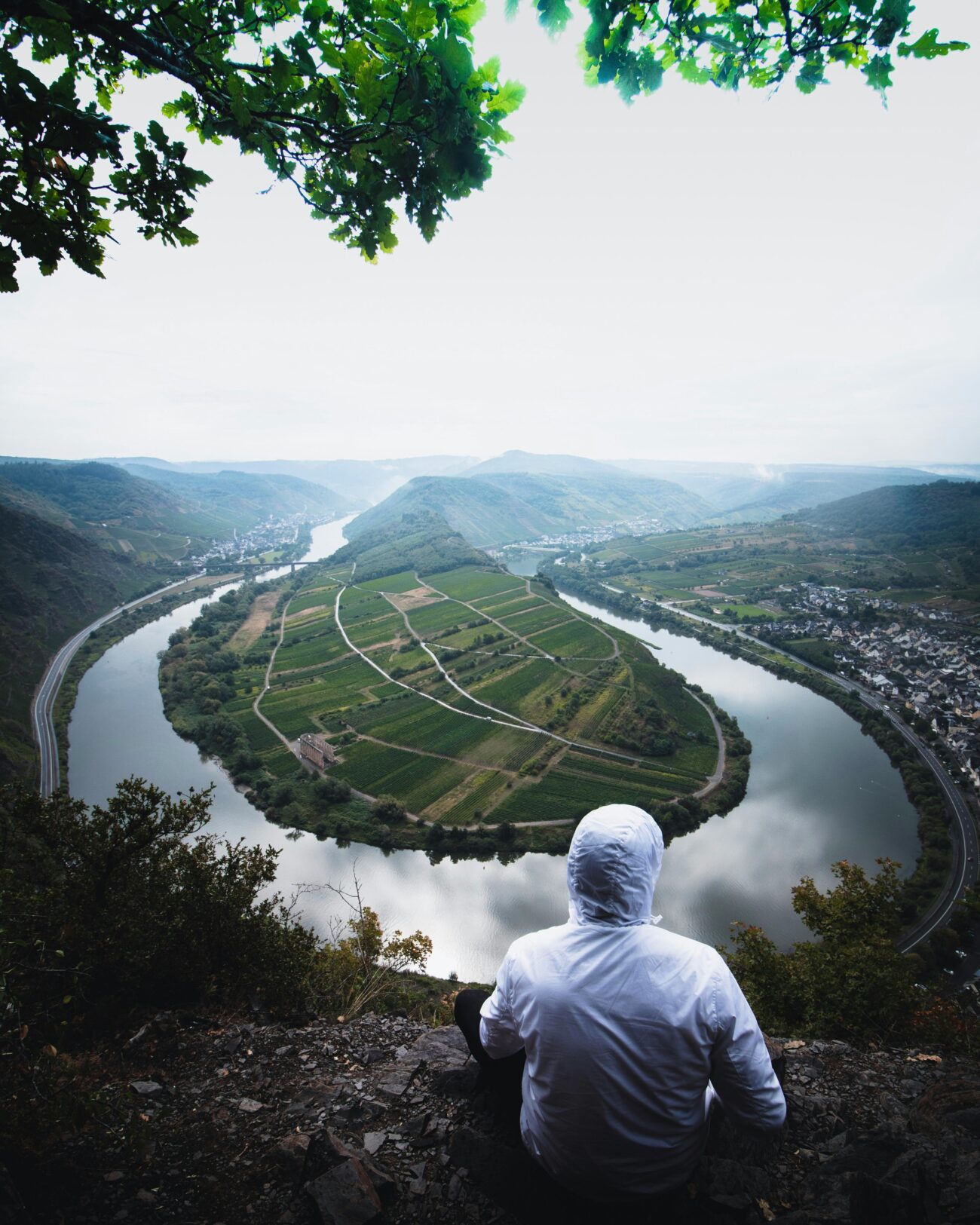
Standing on the edge of the Hardangervidda plateau in late September, I watched a wall of grey mist swallow the horizon. Within minutes, the gentle Norwegian drizzle transformed into a horizontal deluge, driven by a 40-knot wind that threatened to strip the heat from my body in seconds. In the old days of traditional trekking, I would have been encased in a two-kilogram heavy-duty Gore-Tex suit—rugged, yes, but heavy enough to make every step a chore. In 2026, the landscape of protection has shifted. I reached into the side pocket of my pack, pulled out a translucent sliver of engineering weighing less than an apple, and continued my hike. This is the reality of modern ultralight trekking: we no longer choose between being dry and being fast. We choose both.
For the modern thru-hiker aiming for a base weight under 5kg, the rain jacket is perhaps the most scrutinized piece of equipment. It is your ultimate shell, your emergency windbreak, and occasionally your psychological fortress. However, the market is flooded with marketing jargon—breathability ratings that don’t translate to the trail and ‘waterproof’ claims that fail under a sustained Norwegian downpour. This guide is designed to cut through the noise. We aren’t just looking for a jacket; we are looking for a performance system that aligns with the ‘gear less, hike more’ philosophy. Whether you are tackling the Kungsleden or a weekend loop in the Alps, choosing the best ultralight gear 2026 offers is about understanding the intersection of fabric science and practical field application.
What are Ultralight Rain Jackets and Why Go Ultralight?
In the context of 2026, an ultralight rain jacket is defined as a waterproof-breathable shell that weighs significantly under 250 grams (approx. 8.8 oz), with the most elite options pushing the sub-150g boundary. But why obsess over these few hundred grams? The logic is cumulative. When your lightweight waterproof jacket, shelter, and sleep system are all optimized, your total energy expenditure drops. This isn’t just about comfort; it’s about safety. A lighter hiker is a more agile hiker, less prone to fatigue-related injuries and better able to outrun a storm front or reach a mountain hut before sunset.
Going ultralight with your rain gear also changes your relationship with the environment. Traditional heavy shells often lead to ‘internal rain’—the buildup of sweat that leaves you just as wet as the storm outside. Modern ultralight rain jackets 2026 models utilize advanced membranes and PFC-free DWR (Durable Water Repellent) finishes that prioritize moisture vapor transmission. By reducing the mass of the garment, we also reduce the amount of heat it traps, allowing for a more regulated microclimate during high-exertion climbs. In Norway, where the weather can cycle through four seasons in a single afternoon, having a packable shell that you can deploy and stow in seconds is not a luxury; it is a tactical necessity.
Key Criteria for Choosing Ultralight Rain Jackets in 2026
When evaluating the best ultralight gear 2026, we must look beyond the price tag. As an analytical critic of gear, I break down performance into four non-negotiable pillars: breathability, weight-to-durability ratio, feature set, and environmental impact.
- Breathability (MVTR vs. Air Permeability): In 2026, we look for Moisture Vapor Transmission Rates (MVTR) exceeding 40,000 g/m²/24h. However, air permeability (measured in CFM) is becoming the new gold standard for high-output hikers. A jacket that allows a tiny amount of air to move through the fabric often feels ‘drier’ than one with a high static breathability rating.
- Hydrostatic Head (HH): This measures how much water pressure a fabric can withstand. For serious Norwegian hiking, you want an HH of at least 15,000mm. Anything less might suffice for a light shower, but will eventually ‘wet out’ under the pressure of backpack straps during a sustained storm.
- Durability and Denier: Ultralight means thin. Most jackets in this category use 7D to 20D (denier) face fabrics. While 7D is incredibly light, it requires a ‘surgical’ level of care. If you are bushwhacking through dense birch forests, a 15D or 20D fabric is a more pragmatic choice for long-term durability.
- PFC-Free Compliance: By 2026, the industry has largely transitioned away from ‘forever chemicals’ in DWR treatments. The new bio-based DWRs are better for the planet but require more frequent cleaning to maintain their effectiveness. You must be prepared to wash and tech-wash your gear more often than you did a decade ago.
Top 10 Recommendations for Ultralight Rain Jackets 2026
After extensive field testing and analyzing the latest material iterations, these are the top contenders for the best ultralight gear 2026 specifically for the waterproof shell category.
1. Durston Gear Ranier (2026 Edition)
Weight: 165g | Material: 3-Layer Sil-Nylon Hybrid | Price: $$$
Pros: Exceptional weight-to-protection ratio, designed by a thru-hiker for thru-hikers.
Cons: Limited availability in European retail stores.
Field Notes: Dan Durston’s attention to detail is evident in the pit zips and the hood adjustment. This jacket manages condensation better than almost anything in its weight class, making it a top pick for humid coastal treks.
2. Zpacks Vertice Rain Jacket
Weight: 150g | Material: 3-Layer Vertice Fabric | Price: $$$$
Pros: Extremely high breathability (50,000+ MVTR).
Cons: The fabric feels slightly ‘papery’ and can be noisy in high winds.
Field Notes: This is a specialist tool. If your base weight under 5kg is a strict rule, the Vertice is your best friend. It excels in the ‘stop-and-go’ rhythm of mountain hiking.
3. Montbell Versalite
Weight: 182g | Material: Gore-Tex Infinium Windstopper | Price: $$
Pros: Best-in-class features (pit zips, adjustable cuffs) for the weight.
Cons: Gore-Tex Infinium is technically ‘highly water-resistant’ rather than ‘waterproof’ in some older classifications, though the 2026 taped version is a fortress.
Field Notes: The Versalite remains the benchmark for versatility. It’s the jacket I take when I don’t know if I’ll be facing a light mist or a full-blown gale.
4. Haglöfs L.I.M Tempo Jacket
Weight: 190g | Material: PROOF™ 3-layer | Price: $$$
Pros: Tailored for the European physique, excellent movement range.
Cons: Slightly heavier than the American cottage brands.
Field Notes: For Norwegian hiking, Haglöfs understands the need for a ‘scandi-fit’ that allows for layering a fleece underneath without feeling like a sail in the wind.
5. Enlightened Equipment Visp
Weight: 145g | Material: 7D Ripstop Nylon with ePTFE membrane | Price: $$$
Pros: Incredible packability; disappears in your pack.
Cons: 7D fabric is fragile; avoid thorns at all costs.
Field Notes: I use this primarily for summer thru-hikes where rain is a possibility but not a guarantee. It’s the ultimate ‘just in case’ shell.
6. Outdoor Research Helium AscentShell
Weight: 220g | Material: AscentShell™ Electrospun Membrane | Price: $$
Pros: Air-permeable and stretchy.
Cons: Heavier than the original Helium II.
Field Notes: The move to AscentShell technology makes this much more comfortable for high-exertion climbing than the old PU-coated versions.
7. Rab Phantom Pull-On
Weight: 90g | Material: 7D Pertex® Shield | Price: $$$
Pros: The lightest functional waterproof on the market.
Cons: Anorak style (half-zip) can be harder to vent; no pockets.
Field Notes: This is for the ‘fast-and-light’ elite. If you are trail running or doing a speed-record attempt, this is the one.
8. Black Diamond StormLine Stretch
Weight: 270g | Material: BD.dry™ | Price: $
Pros: Very durable, great price, excellent stretch.
Cons: On the heavy side for ‘true’ ultralight.
Field Notes: This is my ‘workhorse’ jacket. If I’m doing trail maintenance or hiking in areas with lots of rock scrambling, I appreciate the extra denier.
9. Arc’teryx Beta SL (2026 Revision)
Weight: 240g | Material: Gore-Tex ePE Membrane | Price: $$$$$
Pros: Unmatched construction quality and hood design.
Cons: Prohibitively expensive for many.
Field Notes: The new ePE membrane is PFC-free and performs remarkably well. You are paying for the ‘dead bird’ logo, but also for the best articulating sleeves in the business.
10. Gossamer Gear ‘The One’ Poncho
Weight: 140g | Material: Sil-Poly | Price: $
Pros: Dual use as a groundsheet or emergency tarp; maximum ventilation.
Cons: Terrible in high winds (the ‘Mary Poppins’ effect).
Field Notes: In forested, low-wind environments, a poncho is often superior to a jacket because it covers your pack too. Not recommended for the Norwegian fells.
My Personal Setup: The ‘Nordic Shield’ Combo
In the unpredictable climate of Northern Europe, I have moved away from a single ‘do-it-all’ jacket toward a modular system. My current favorite setup for a base weight under 5kg consists of the Montbell Versalite paired with a lightweight DCF (Dyneema Composite Fabric) rain kilt. Why a kilt? Because even the best ultralight rain jackets 2026 can’t solve the problem of sweaty legs in waterproof trousers. The kilt allows for 360-degree ventilation while keeping my thighs and crotch dry—the areas most prone to chafing and heat loss.
When the temperature drops toward zero, I layer a thin alpha-direct 60 active insulation piece under the shell. This combination is breathable enough to wear while climbing 1000 meters of vertical gain, yet windproof enough to stop the chill at the summit. This ‘gear less, hike more’ approach means I rarely have to stop to change layers, maintaining my momentum and keeping my body temperature stable. For those interested in a deeper dive, check out our ultralight hiking Guide for more technical combinations.
Budget Alternatives and DIY Tips
Ultralight hiking shouldn’t be a sport only for the wealthy. If a $400 Arc’teryx shell isn’t in the cards, the Frogg Toggs Ultra-Lite2 remains the undisputed king of the budget world. At roughly $25 and 170g, its breathability (due to the non-woven fabric) actually rivals high-end membranes. The downside? It has the durability of a wet paper towel. However, for a single thru-hike, it is a viable option if you carry a roll of tenacious tape for repairs.
For a DIY approach, consider ‘waterproofing’ your own windbreaker with a wash-in DWR. While it won’t make it a true rain jacket, for many summer trips where rain is fleeting, a highly water-resistant windshell is often more comfortable and significantly lighter (sub-60g). Another tip: replace heavy adjustment toggles with simple overhand knots in the shock cord to shave those final grams.
Common Mistakes to Avoid
The biggest mistake I see intermediate hikers make is equating ‘waterproof’ with ‘invincible.’ In Norwegian hiking, if it rains for three days straight, you will get damp. The goal isn’t necessarily to stay bone-dry; it’s to stay warm while wet. Avoid these pitfalls:
- Ignoring Mechanical Ventilation: Don’t rely solely on the fabric’s breathability. Pit zips and front zippers are your best tools for moisture management.
- Over-washing or Under-washing: Dirt and body oils kill membranes. If your jacket starts ‘wetting out’ (the face fabric looks dark and soaked), it’s likely dirty, not broken. Use a dedicated technical wash.
- Forgetting the ‘Drip Line’: If your rain jacket is short, water will run off the hem directly onto your hip belt and soak into your pants. Ensure your jacket has enough length or pair it with a rain kilt.
Packing and Usage Tips for Multi-Day Cold Treks
When you are deep in the backcountry, managing your lightweight waterproof jacket becomes a chore of its own. Never stuff a soaking wet jacket into the main compartment of your pack with your dry down quilt. Most modern ultralight packs (see our Top 10 Ultralight Backpacks 2026 list) feature a large mesh outer pocket. This is where your rain gear lives. It keeps the wetness away from your ‘dry zone’ and allows the jacket to drain.
During a break, if the sun makes a brief appearance, shake the jacket vigorously. The goal of modern ultralight rain jackets 2026 is to shed water quickly. If you have a shake-dry style fabric, a literal flick of the wrist can remove 90% of the external moisture. Inside the tent, hang your shell from the apex loop if possible. Even in high humidity, the airflow inside a well-pitched mid-style shelter can help dry out the interior scrim of the jacket overnight.
Frequently Asked Questions
Is Gore-Tex still the best for ultralight hiking in 2026?
Gore-Tex remains a leader, especially with their new ePE membranes, but they face stiff competition from ‘cottage industry’ fabrics like Pertex Shield and proprietary membranes like AscentShell. The ‘best’ depends on whether you value absolute waterproofness or active breathability.
How long should an ultralight rain jacket last?
With careful use, a 15D or 20D jacket can last 2-3 seasons of heavy use (2,000+ miles). 7D ‘race’ shells may only last one full thru-hike. Proper cleaning and DWR re-application are critical for longevity.
Can I use a windshirt instead of a rain jacket?
Only if you are a very experienced hiker in a predictable, warm climate. In places like Norway or the Scottish Highlands, a windshirt will lead to hypothermia in a sustained storm. Always carry a true waterproof shell in alpine environments.
Do I need pit zips if my jacket is ‘highly breathable’?
Yes. No fabric can keep up with the sweat produced during a steep ascent. Mechanical ventilation via pit zips is the only way to effectively dump heat and moisture in real-time.
What is the ‘wet out’ phenomenon?
Wet out occurs when the DWR on the face fabric fails, allowing the outer layer to saturate with water. This creates a ‘water barrier’ that prevents sweat from escaping, making you feel wet inside even if the membrane hasn’t leaked.
The evolution of waterproof technology has reached a point where the ‘gear less, hike more’ mantra is more achievable than ever. By selecting a shell that balances the harsh realities of the trail with the cutting-edge science of 2026, we free ourselves from the burden of heavy packs and the misery of damp layers. The fjords and fells are waiting, and they are indifferent to your comfort—but with the right shell, you can find a sense of belonging in the heart of the storm. It’s not about conquering the weather; it’s about having the right tools to move through it with grace and speed, knowing that your gear is an extension of your intent rather than a limitation of your journey. As you refine your kit and aim for that sub-5kg goal, remember that every gram saved is a moment of energy gained for the miles ahead.
