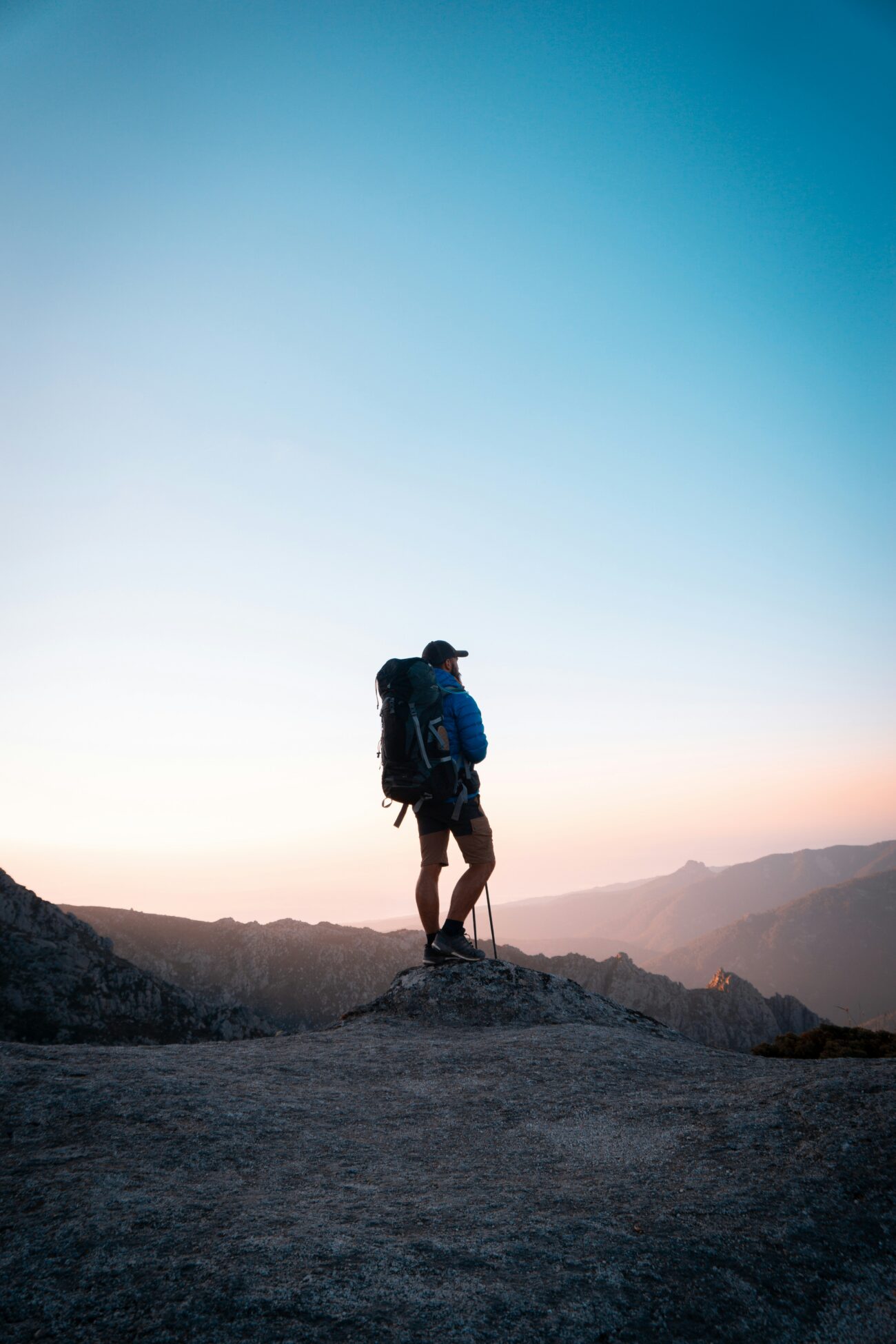
I still remember the first time I attempted a four-day trek through the Jotunheimen National Park in Norway. My pack weighed nearly 18 kilograms, and by the second afternoon, my knees were screaming, my shoulders were raw, and I spent more time staring at my boots than at the majestic peaks around me. It was a classic mistake: over-preparing for every possible catastrophe while ignoring the physical toll of the weight itself. That trip was the catalyst for my obsession with the sub-5kg philosophy. Since then, I have transitioned to an ultralight packing list for 4-7 day trips under 5 kg base weight, and the difference is nothing short of revolutionary. When your gear weighs less than a medium-sized house cat, the trail opens up in ways you never imagined.
The goal of this guide isn’t just to show you how to shave grams; it’s to provide a reliable, field-tested system that works in the demanding environments of 2026, where gear technology has reached an incredible peak of performance and durability. Whether you are traversing the Hardangervidda plateau or section-hiking the PCT, keeping your base weight under 5kg allows you to hike further, recover faster, and truly embrace the “gear less, hike more” philosophy. In this article, we will break down the essential components of a 2026-ready kit, focusing on the delicate balance between weight, safety, and comfort.
What is an Ultralight Packing List and Why Go Ultralight?
In the backpacking world, “base weight” refers to the total weight of your gear, excluding consumables like food, water, and fuel. An ultralight packing list for 4-7 day trips under 5 kg base weight is considered the gold standard for experienced hikers. But why does that 5kg mark matter so much? It’s the tipping point where most hikers stop feeling the “burden” of the pack and start feeling the agility of their own bodies. When you carry less, you reduce the impact on your joints, lower your caloric needs, and significantly decrease the risk of overuse injuries like plantar fasciitis or stress fractures.
Furthermore, going ultralight isn’t about deprivation; it’s about intentionality. It means choosing multi-functional tools and high-quality materials that do more with less. In a Norwegian context, where the weather can shift from sun to sleet in twenty minutes, an ultralight setup allows you to move quickly to find shelter or reach a DNT cabin if conditions become dangerous. By 2026, the “best ultralight gear” has moved past the fragile prototypes of the past; we now have access to fabrics like Ultra 200 and advanced DCF (Dyneema Composite Fabric) that are both incredibly light and remarkably tough.
Key Criteria for Choosing Ultralight Gear in 2026
When selecting items for your ultralight packing list for 4-7 day trips under 5 kg base weight, you must evaluate every piece of gear against four primary pillars. In 2026, the market is flooded with options, so use these criteria to filter out the noise:
- Weight-to-Performance Ratio: Does the item justify its weight? For example, a 300g down jacket that keeps you warm at 0°C is far superior to a 500g fleece that only works at 10°C.
- Durability and Material Science: Look for “Ultra” weaves or recycled high-tenacity nylons. These materials have largely replaced traditional SilNylon in premium kits due to their lower stretch and higher abrasion resistance.
- Moisture Management: Especially for Norwegian hiking, gear must dry quickly or remain functional when wet. This is why synthetic insulation like Alpha Direct and high-quality DWR treatments are essential.
- Sustainability: By 2026, the best ultralight gear is also the most ethical. Look for PFC-free membranes and RDS-certified down.
Top 10 Recommendations for a Sub-5kg Base Weight
To achieve a base weight under 5kg, you need to focus on your “Big Three”: your shelter, your sleep system, and your backpack. Here are my top recommendations for 2026.
| Category | Item Recommendation | Weight (Approx) | Key Benefit |
|---|---|---|---|
| Pack | Durston Kakwa 40 (Ultra 200) | 770g | Unbeatable load transfer and durability. |
| Shelter | Zpacks Duplex Zip (DCF) | 575g | Spacious for one, fits two, 100% waterproof. |
| Sleeping Bag | Katabatic Gear Alsek 22°F Quilt | 620g | The best warmth-to-weight ratio in the industry. |
| Sleeping Pad | Therm-a-Rest NeoAir XLite NXT | 350g | R-value of 4.5; essential for cold ground. |
| Rain Jacket | Zpacks Vertice / Montbell Versalite | 170g | Top-tier lightweight waterproof jacket. |
| Stove System | Soto WindMaster + 750ml Ti Pot | 160g | Reliable in high winds |
| Mid-Layer | Senchi Designs Lark Hoodie | 140g | Alpha Direct 90 fabric; breathes like a dream. |
| Power Bank | Nitecore NB10000 Gen 3 | 150g | The lightest 10k mAh bank on the market. |
| Water Filter | Sawyer Squeeze + CNOC Vecto | 145g | Standard for reliability and flow rate. |
| First Aid/Repair | DIY Minimalist Kit | 100g | Leukotape, needles, Tenacious Tape, basic meds. |
1. The Backpack: Durston Kakwa 40
The Kakwa 40 has become a legend for a reason. In 2026, the use of Ultra 200 fabric makes it nearly waterproof and incredibly resistant to the jagged rocks of the Norwegian highlands. It carries 12-14kg comfortably, which is perfect for when you add 5-7 days of food to your 5kg base weight.
2. The Shelter: Zpacks Duplex Zip
While expensive, the Duplex Zip is the gold standard for best ultralight gear 2026. It’s a trekking pole-supported tent that offers massive internal space. In wet climates, the DCF doesn’t sag when wet, meaning you won’t wake up with a damp tent wall touching your face.
3. The Insulation: Alpha Direct Hoodies
If you haven’t switched to Alpha Direct yet, 2026 is the year to do it. These “fuzzy” mid-layers offer incredible warmth when paired with a shell but allow total airflow when worn alone, making them perfect for high-exertion climbs.
My Personal Setup: The “Norwegian Highlands” Combo
my ultralight packing list for 4-7 day trips under 5 kg base weight looks slightly different to account for the humidity. I prioritize a lightweight waterproof jacket that can handle sustained horizontal rain. I personally use the Zpacks Vertice because its breathability rating is off the charts, which is vital when you’re trekking uphill in a mist.
For my sleep system, I opt for the Katabatic Quilt paired with a silk liner. This allows me to vent on warmer nights but seal in the heat when the temperature drops near freezing. I also carry a small piece of 1/8″ CCF (Closed Cell Foam) pad. I use it as a sit pad during the day and as extra insulation/protection under my NeoAir at night. It’s a multi-use item that weighs almost nothing but adds a huge margin of safety.
Budget Alternatives and DIY Tips
You don’t need to spend $3,000 to get a base weight under 5kg. Here are some ways to save money while saving weight:
- The Groundsheet: Forget heavy footprints. Buy a sheet of Tyvek or Polycryo. It costs less than $15 and weighs under 50g.
- The Stove: The BRS-3000T is a titanium stove that costs $15 and weighs 25g. It’s not great in wind, but with a simple DIY windscreen, it’s a powerhouse.
- Used Gear: Check forums and marketplaces for 2024/2025 models of the items listed above. Ultralight hikers often upgrade frequently, leaving great deals on slightly older tech.
- The “Cut it Off” Method: Look at your current pack. Do you need all those compression straps? The ice axe loops? Cutting off excess webbing can save 50-100g across your entire kit.
Common Mistakes to Avoid
In my journey to a sub-5kg pack, I made several mistakes that I hope you can avoid:
- The “Just in Case” Trap: Carrying an extra pair of pants or a massive survival knife “just in case.” If you haven’t used it in your last three trips, leave it at home.
- Ignoring the Forecast: Going ultralight requires more skill. You must know the weather. If a freak 2026 blizzard is coming, a 5kg base weight might need a 1kg “safety buffer” of extra insulation.
- Overspending on Small Items: Don’t spend $100 to save 10g on a titanium spork if your tent still weighs 2kg. Focus on the Big Three first.
Packing and Usage Tips for Multi-Day Cold Treks
When your base weight is low, how you pack becomes even more important for stability. Place your heavy food items close to your back, centered between your shoulder blades. Use a waterproof pack liner (like a Nylofume bag) instead of a pack cover; it’s lighter and more effective at keeping your best ultralight gear 2026 bone dry.
In cold or wet conditions, keep your “active” layers separate from your “sleep” layers. Never get your sleep quilt or your dry socks wet. If you arrive at camp soaked, strip down, dry off, and get into your dry sleep system immediately. This is where the base weight under 5kg philosophy pays off—you have the energy to manage your camp efficiently because you aren’t exhausted from carrying a heavy load.
Conclusion
Transitioning to an ultralight packing list for 4-7 day trips under 5 kg base weight is a journey, not a single purchase. It’s about refining your relationship with the outdoors and realizing that you need far less than the retail industry wants you to believe. By focusing on high-quality materials, multi-functional gear, and a bit of DIY spirit, you can transform your hiking experience from a grueling march into a graceful glide through nature.
Are you ready to lighten your load for your next adventure? I’d love to hear about your current setup! Drop a comment below with your current base weight or ask any questions about the gear mentioned here. Don’t forget to check out our comprehensive cold weather layering guide and our 2026 ultralight backpack comparison for more deep dives into the world of light trekking. Gear less, hike more!
Only heading out for a quick 3-day trip instead? Check out our The Ultimate Ultralight Packing List & Checklist for a 3-Day Hike for a lighter, faster setup.
Frequently Asked Questions
Is a sub-5kg base weight safe for beginners?
It can be, provided you have the right gear for the environment. Beginners should start by reducing weight on non-essential items before moving to minimalist shelters or quilts. Always test your gear on overnighters before committing to a 7-day trek.
How do I handle bear canisters with an ultralight pack?
Many ultralight packs like the Kakwa 40 or the Hyperlite Unbound are designed to carry bear canisters either inside or strapped to the top. Keep the canister centered to maintain your pack’s balance.
Can I really use a quilt in Norway?
Yes! Modern quilts with proper tensioning systems are excellent for the Norwegian climate. Just ensure your sleeping pad has a high R-value (4.0+) to prevent heat loss to the cold ground.
What is the most important item to upgrade first?
Usually, the backpack or the shelter. However, the most cost-effective way to lose weight is often replacing a heavy synthetic sleeping bag with a high-fill-power down quilt.
How do I weigh my gear accurately?
Invest in a digital kitchen scale for small items and a luggage scale for your full pack. Use a spreadsheet tool like LighterPack to track every gram and visualize where your weight is coming from.
