

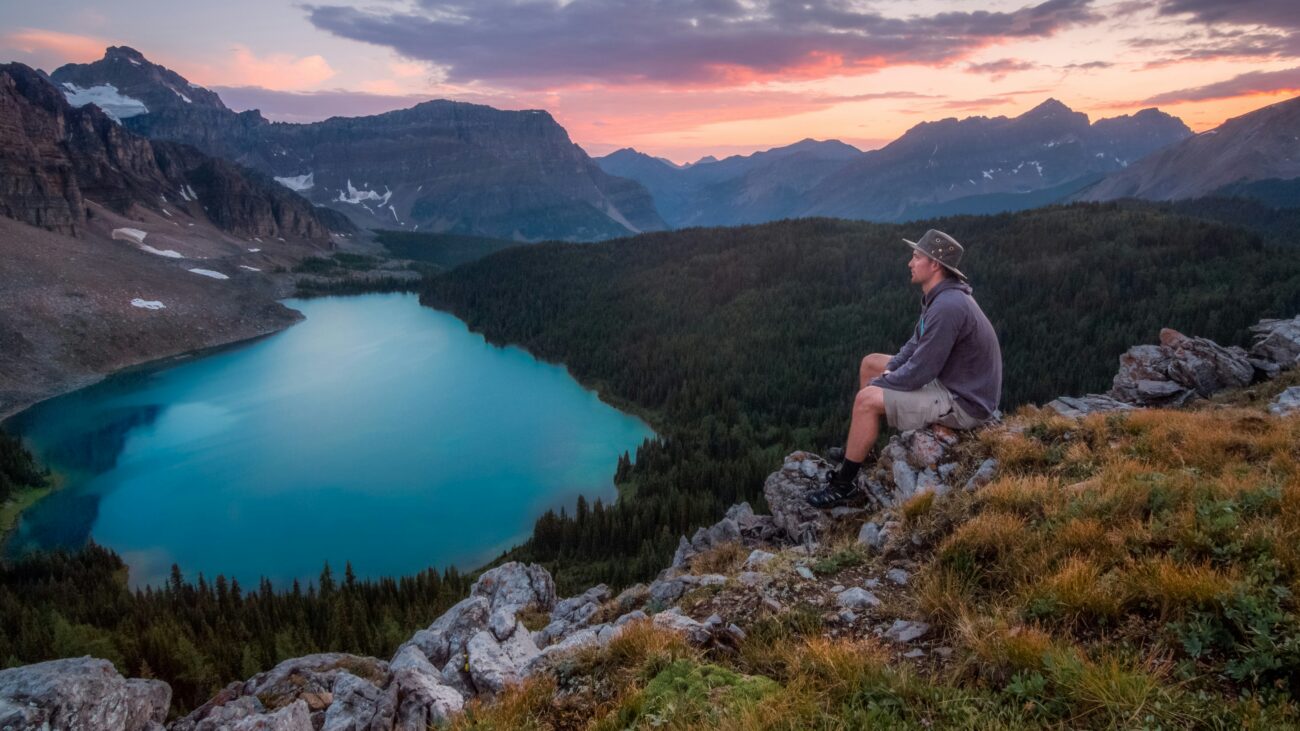
The call of the high peaks is a siren song that resonates with every adventurer seeking solace in nature. However, the serene beauty of a jagged skyline often masks the inherent risks that come with high-altitude exploration. Prioritizing safety in the mountains and hiking is not just a recommendation; it is a fundamental discipline that ensures you return home to share your stories. Whether you are a weekend warrior or a seasoned trekker, understanding the volatile nature of the wild is the first step toward a successful journey.
Preparation begins long before your boots hit the dirt. It involves a mental shift from seeing the outdoors as a playground to respecting it as a powerful, unpredictable ecosystem. By arming yourself with knowledge and the right equipment, you can mitigate the vast majority of risks associated with remote environments. This comprehensive guide explores the essential protocols for staying safe while navigating the great outdoors.
The Critical Importance of Pre-Trip Planning
Every safe hike starts at home with meticulous research. Before you even pack your bag, you must understand the terrain, the difficulty level of the trail, and the current conditions of the area. Knowing the total elevation gain and the technicality of the path helps you determine if the hike matches your current physical fitness level.
Consulting recent trail reports is one of the most effective ways to avoid surprises. Other hikers often post updates about washed-out bridges, fallen trees, or lingering snow patches that could turn a simple walk into a dangerous scramble. Websites and local ranger stations provide invaluable real-time data that static maps cannot offer.
Furthermore, creating a detailed trip plan is a non-negotiable safety step. This plan should include your intended route, expected return time, and the contact information for local emergency services. Leave this document with a trusted friend or family member who is not joining you on the excursion. If you do not return by the designated time, they will have the exact information needed to alert Search and Rescue (SAR).
Understanding and Responding to Mountain Weather
Weather in high-altitude environments is notoriously fickle and can shift from sunny skies to a blizzard in a matter of minutes. Understanding the “lapse rate” is vital; for every 1,000 feet of elevation you gain, the temperature typically drops by about 3.5 to 5 degrees Fahrenheit. This means while it might be a balmy day at the trailhead, the summit could be freezing and wind-whipped.
Always check a mountain-specific forecast rather than a general city forecast. Tools like NOAA or specialized mountain weather sites provide data on wind speeds and lightning potential at specific elevations. If the forecast calls for afternoon thunderstorms, a common occurrence in many mountain ranges, plan to be off the summit and below the treeline by noon.
In addition to checking the forecast, you must learn to read the sky while on the trail. Towering cumulus clouds that begin to flatten at the top (looking like anvils) are a clear sign of approaching thunderheads. If you see lightning or hear thunder, immediately descend from ridges or peaks. Seeking shelter in a low-lying area away from isolated tall trees or bodies of water can save your life during a storm.
The Ten Essentials: Your Survival Toolkit
The “Ten Essentials” is a classic list of items that every hiker should carry, regardless of the length of the trip. These items provide the means to respond to an emergency, navigate through darkness, and survive an unexpected night in the woods. While it may seem like extra weight for a short day hike, these tools are your primary line of defense against the elements.
Navigation is the first pillar, consisting of a physical map and a compass. While GPS devices and smartphone apps are incredibly convenient, they rely on battery life and satellite signals which can fail. Knowing how to orient a map and take a bearing ensures you can find your way back even if your electronics die.
Sun protection, including high-SPF sunscreen, polarized sunglasses, and a brimmed hat, is equally important. At high altitudes, the atmosphere is thinner, providing less protection from UV rays. Snow can also reflect up to 80% of UV radiation, leading to severe sunburns or even snow blindness if your eyes are not protected.
Insulation and the Art of Layering
Proper clothing is your primary shelter. To maintain safety in the mountains and hiking, you must avoid cotton at all costs. Cotton absorbs moisture and loses its insulating properties when wet, which can quickly lead to hypothermia even in moderate temperatures.
Instead, utilize a three-layer system: a moisture-wicking base layer (merino wool or synthetic), an insulating middle layer (fleece or down), and a waterproof, windproof outer shell. This system allows you to regulate your body temperature by adding or removing layers as your exertion levels and the external conditions change.
Illumination is another critical essential. Even if you plan to be back before sunset, a headlamp with extra batteries is mandatory. Trails often take longer than expected due to fatigue or obstacles, and navigating a rocky path in total darkness is a recipe for a broken ankle or getting lost.
Navigational Mastery and Staying on Track
Getting lost is one of the most common causes of SAR call-outs. To prevent this, stay on marked trails whenever possible. Social trails, or “shortcuts,” can lead you into dangerous terrain or fragile ecosystems where it is easy to lose your sense of direction.
Regularly check your map against your surroundings. Identify prominent landmarks like specific peaks, river crossings, or valley shapes to confirm your location. This practice, known as “map-to-ground” association, keeps your navigational skills sharp and prevents small errors from turning into major deviations.
If you do find yourself unsure of your location, the best course of action is to stop immediately. The acronym S.T.O.P. stands for: Sit, Think, Observe, and Plan. Panic is your greatest enemy in the wilderness; by sitting down and calming your heart rate, you can make more rational decisions about how to backtrack or signal for help.
Wildlife Safety and Coexistence
Encountering wildlife is a highlight of any trip, but it requires a respectful distance. Different animals require different safety responses. For example, when hiking in bear country, making noise by talking or singing helps prevent surprising a bear, which is the leading cause of aggressive encounters.
If you encounter a black bear, stand your ground, make yourself look large, and speak in a firm, calm voice. For grizzly bears, avoid eye contact and slowly back away. Carrying bear spray in an accessible holster—not buried in your pack—is a proven deterrent that can stop a charge without harming the animal permanently.
Smaller creatures also pose risks. Ticks can carry Lyme disease, and mosquitoes can transmit various viruses. Using an EPA-approved repellent and performing a thorough tick check after your hike are simple but effective safety measures. Additionally, never feed wildlife, as this habituates them to humans and can lead to dangerous interactions for both parties.
Hydration and Nutrition for Peak Performance
Maintaining your physical health is a core component of safety in the mountains and hiking. Dehydration leads to fatigue, poor decision-making, and increased susceptibility to altitude sickness. Aim to drink small amounts of water frequently rather than large amounts occasionally.
Always carry a method for water purification, such as a filter, UV light, or chemical tablets. Even the clearest mountain stream can harbor protozoa like Giardia or bacteria that cause severe gastrointestinal distress. Relying on a filtration system ensures you have access to safe hydration throughout your journey.
Nutrition is the fuel that keeps your engine running. Choose calorie-dense foods that provide a mix of complex carbohydrates, proteins, and healthy fats. Trail mix, energy bars, and dried fruits are excellent for quick energy, while a more substantial meal is necessary for longer treks to prevent “bonking” or total physical exhaustion.
First Aid and Emergency Protocols
A well-stocked first aid kit is useless if you don’t know how to use it. Basic wilderness first aid training teaches you how to manage common trail injuries like blisters, sprains, and minor cuts. It also prepares you to recognize more serious conditions like heatstroke or hypothermia.
In the event of a serious injury where the victim cannot walk out, you must know how to signal for help. A whistle is much more effective than your voice; three sharp blasts is the international signal for distress. If you have a signal mirror or a bright piece of clothing, use it to catch the attention of aircraft or distant observers.
For those venturing into remote areas without cell service, a Personal Locator Beacon (PLB) or a satellite messenger (like a Garmin inReach) is a life-saving investment. These devices allow you to send an S.O.S. signal with your exact GPS coordinates to emergency responders, drastically reducing the time it takes for help to arrive.
Environmental Ethics: Leave No Trace
Safety also extends to the environment itself. Following the Leave No Trace (LNT) principles ensures that the wilderness remains safe and pristine for future generations. This includes packing out all trash, staying on durable surfaces, and properly disposing of human waste.
Respecting fire bans is particularly crucial in the mountains, where dry conditions and high winds can turn a small campfire into a devastating wildfire in seconds. Use a lightweight camping stove for cooking instead of building a fire. Protecting the landscape ensures that the trails remain open and the natural hazards are not compounded by human-caused disasters.
By integrating these safety protocols into your routine, you transform from a passive visitor into a prepared explorer. The mountains offer incredible rewards for those willing to do the work, providing a sense of perspective and peace that is hard to find elsewhere. Every step you take with safety in mind is a step toward a lifetime of successful adventures. Focus on the journey, respect the limits of your body and the environment, and let the wisdom of the trail guide you toward your next summit with confidence and grace.
