
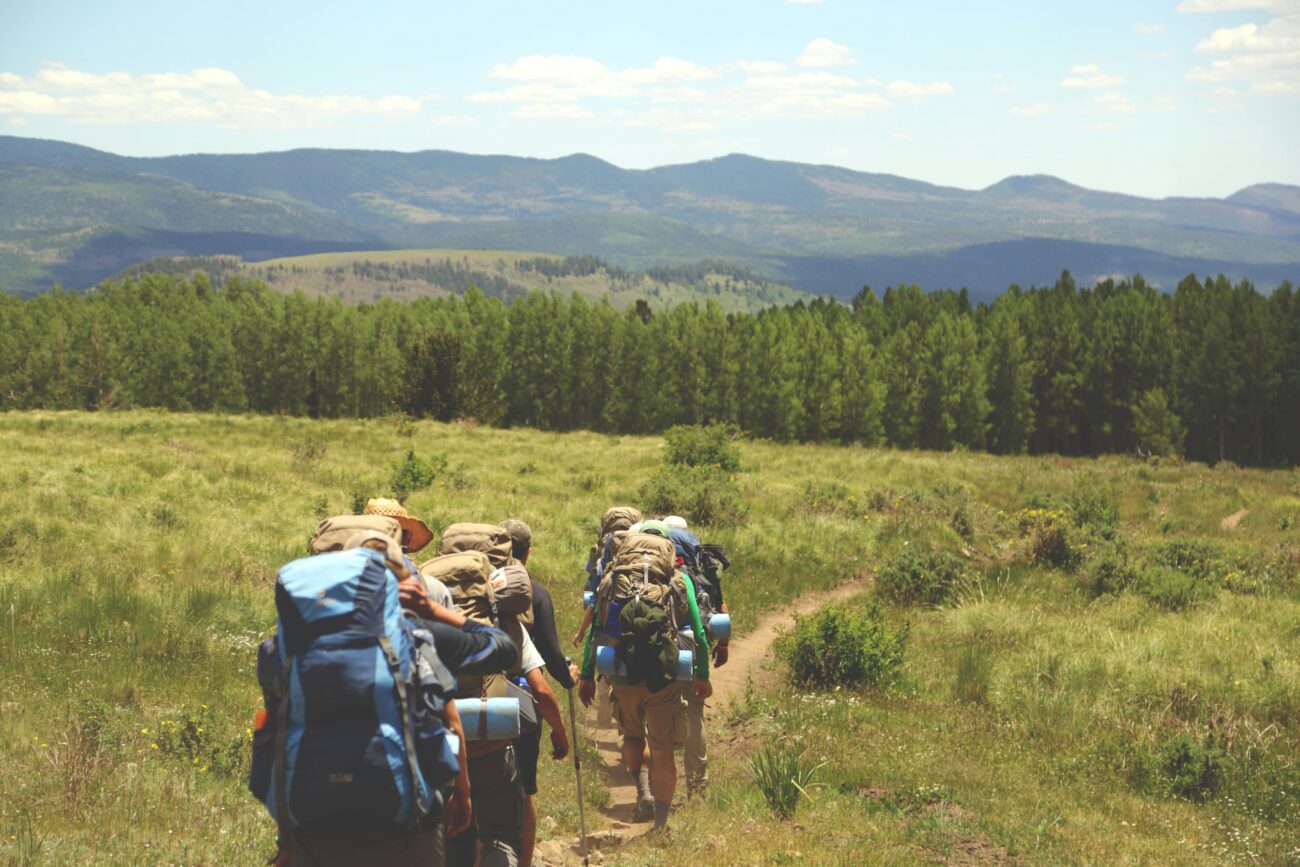
Imagine standing at the base of a towering mountain peak. You look up at the winding trail, the thin air, and the miles of rugged terrain ahead. Now, imagine doing that climb not with a heavy, bruising 50-pound pack that digs into your shoulders, but with a pack so light it feels like a natural extension of your body. This is the promise of ultralight hiking. It is not just about gear; it is a philosophy of movement that prioritizes freedom, comfort, and a deeper connection with the wilderness. In this guide, we will break down everything you need to know to transition from a traditional backpacker to an efficient, ultralight traveler.
What is Ultralight Hiking?
In the simplest terms, ultralight hiking (often abbreviated as UL) is the practice of carrying the lightest, most efficient gear possible to ensure safety and comfort. While traditional backpacking often involves carrying 35 to 60 pounds of gear, ultralight hikers aim for a specific metric: the Base Weight. Your base weight is the total weight of everything in your pack, excluding “consumables” like food, water, and fuel.
The generally accepted standard for an ultralight kit is a base weight of under 10 pounds (4.5 kilograms). If you are under 20 pounds, you are considered “lightweight,” and if you drop below 5 pounds, you enter the realm of “super-ultralight.” However, for a beginner, the goal isn’t to hit a magic number on day one, but rather to adopt a mindset that asks: “Do I really need this, and is there a lighter way to achieve the same goal?”
Why Does Ultralight Hiking Matter?
You might wonder why people obsess over a few ounces. The benefits of shedding weight extend far beyond just feeling lighter. First and foremost is physical health. Carrying a heavy load puts immense strain on your knees, ankles, and lower back. By reducing your pack weight, you significantly lower the risk of overuse injuries and fatigue-related accidents.
Secondly, it increases your range. When you aren’t fighting against a massive load, you can hike more miles in a day with less effort. This allows you to see more of the backcountry in a shorter amount of time. Finally, there is the psychological benefit. When you aren’t constantly focused on the pain in your shoulders or the struggle of the climb, you are free to look up, enjoy the views, and truly immerse yourself in the natural world. It turns a survival exercise into a joyful stroll through nature.
Core Concept 1: The “Big Three”
When you start your ultralight journey, do not begin by cutting the handle off your toothbrush. That saves grams, but you need to save pounds. To do that, you must focus on the “Big Three”: your shelter, your sleep system, and your backpack. These are almost always the heaviest items in any hiker’s kit.
- The Shelter: Traditional double-wall tents can weigh 4 to 6 pounds. Ultralight alternatives, such as trekking pole-supported tents or tarps made from materials like Dyneema Composite Fabric (DCF) or Silnylon, can weigh as little as 1 pound.
- The Sleep System: This includes your sleeping bag and sleeping pad. Many UL hikers switch from mummy bags to “quilts,” which remove the heavy zippers and the insulation underneath you (which gets compressed and becomes useless anyway). Pair this with a high-R-value inflatable pad or a simple closed-cell foam pad.
- The Backpack: Once your other gear is light and compact, you no longer need a heavy internal-frame pack with thick padding. Ultralight packs are often frameless and made of high-strength, low-weight fabrics, weighing between 15 and 30 ounces.
Core Concept 2: The Philosophy of Multi-Purpose Gear
One of the most effective ways to reduce weight is to find items that serve more than one purpose. In the ultralight world, an item that only does one thing is a luxury. For example, your trekking poles aren’t just for walking; they serve as the structural poles for your tent. Your cooking pot can also be your coffee mug and your bowl. A “Buff” (a seamless fabric tube) can be a hat, a sweatband, a pre-filter for water, or even a pillowcase when stuffed with extra clothes. By making your gear work double duty, you can leave several items at home without sacrificing functionality.
Core Concept 3: Understanding Your Consumables
While base weight is the focus, your total pack weight is what you actually feel on the trail. Consumables—food and water—are the heaviest things you will carry. Ultralight hikers manage this through smart planning. Instead of carrying four liters of water “just in case,” they study maps to find water sources and carry only what is needed to reach the next stream. For food, they focus on caloric density. The goal is to carry foods that offer at least 100 to 125 calories per ounce. Think nut butters, olive oil added to meals, and dehydrated options rather than heavy canned goods or fresh produce.
How to Get Started: Your First Steps
Transitioning to ultralight hiking doesn’t have to happen overnight, and it certainly shouldn’t involve throwing away all your current gear immediately. Follow these steps to begin your journey:
1. Weigh Everything
You cannot manage what you do not measure. Buy a digital kitchen scale and weigh every single item you plan to take on a hike. Use a free online tool like LighterPack to create a digital inventory. Seeing the weights laid out in a list will immediately highlight the “weight monsters” in your kit.
2. The “Just in Case” Audit
Go through your pack and look for items you take “just in case.” This might be an extra pair of jeans, a massive first aid kit designed for a battlefield, or three different knives. Most of the time, these items never leave the pack. Replace them with knowledge. For example, instead of a heavy repair kit, learn how to use a small strip of Tenacious Tape to fix almost anything.
3. Replace Gear Strategically
When it is time to buy new gear, follow the order of the Big Three mentioned earlier. However, do not buy a lightweight backpack first. Your pack should be the last thing you buy, because you need to know the volume and weight of the rest of your gear to ensure the pack can carry it comfortably.
Common Mistakes to Avoid
Even experienced hikers fall into traps when trying to go light. One common mistake is sacrificing safety for weight. Never leave behind essential navigation, adequate insulation for the expected low temperatures, or enough water capacity for dry stretches. Ultralight is about being prepared, not being reckless.
Another mistake is spending thousands of dollars on the most expensive gear before understanding your own hiking style. You can get very light by simply taking less stuff, which costs zero dollars. Finally, avoid the “lightweight” trap—buying items marketed as light that are still significantly heavier than true ultralight options. Do your research and read reviews from the long-distance hiking community.
Resources for Further Learning
The ultralight community is vast and supportive. To continue your education, explore the following resources:
- Online Communities: The “r/ultralight” subreddit is a goldmine of gear reviews, trip reports, and “shakedowns” where experts critique gear lists.
- Apps: Use FarOut (formerly Guthook) for detailed trail data and Gaia GPS for off-trail navigation.
- Books: “The Ultimate Hiker’s Gear Guide” by Andrew Skurka is considered the bible of modern backpacking efficiency.
The journey toward a lighter pack is a rewarding process of discovery. It forces you to prioritize what truly matters and helps you realize how little you actually need to be happy and safe in the wilderness. Don’t feel pressured to be perfect right away. Every ounce you remove is a victory for your body and a step toward a more immersive outdoor experience. You have the skills and the curiosity to make this change, and the trails are waiting for you to explore them with a new sense of lightness.
Your very first action is simple: go to your gear closet, pick up your backpack, and empty it completely on the floor. Pick up one item, look at its weight, and ask yourself if it earned its place on your last trip. This small act of mindfulness is where every great ultralight journey begins.
