

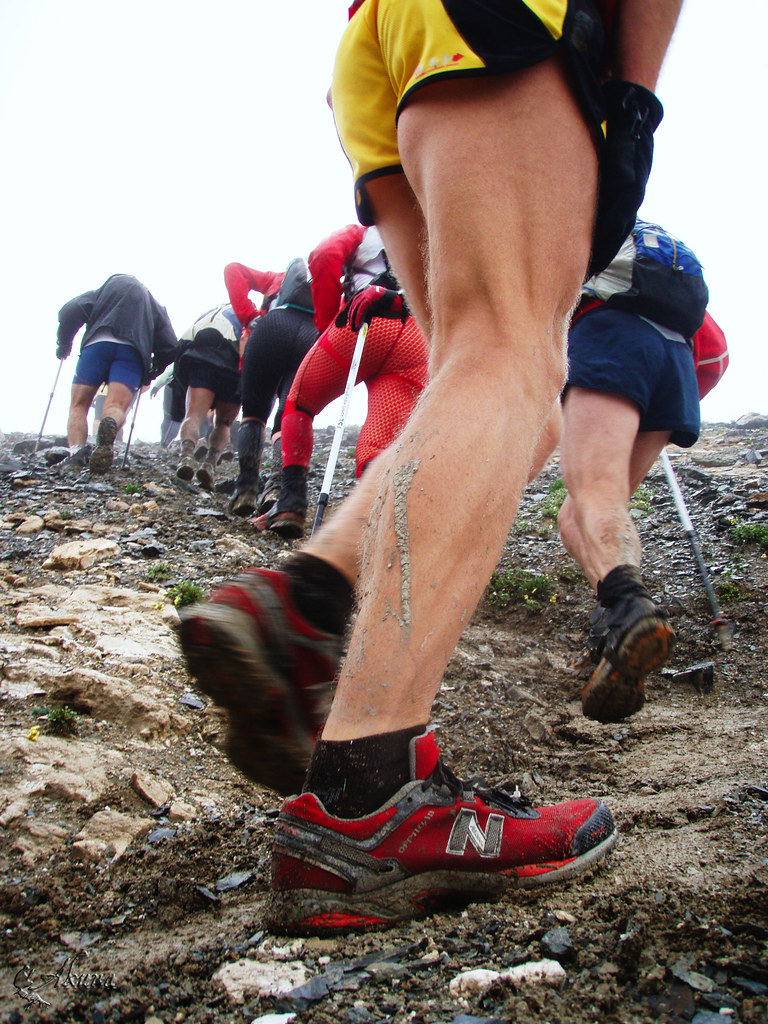
Imagine the sun dipping below the horizon as the high desert air of the Pacific Crest Trail begins to cool. You are twenty miles into the day, and for the first time in hours, you notice a dull, pulsing heat radiating from the ball of your foot. It is the dreaded ‘hot spot,’ the precursor to a blister that could potentially derail a multi-month journey. In the world of long-distance trekking, your feet are the most critical piece of machinery you own. Choosing the right ultralight hiking footwear is not merely a matter of style or brand loyalty; it is a fundamental decision that dictates your daily mileage, your recovery time, and your overall enjoyment of the wilderness.
As we move into 2026, the philosophy of footwear has shifted dramatically. Gone are the days when heavy, stiff leather boots were considered the only viable option for a thru-hike. Today, the emphasis is on agility, moisture management, and natural foot mechanics. This guide will explore the evolution of ultralight hiking footwear, providing a comprehensive roadmap for selecting the best gear for the PCT, AT, CDT, and beyond. We will delve into the technical aspects of lightweight trail runners, the nuances of an ultralight sock system, and the clinical strategies required to prevent blisters hiking over thousands of miles.
Whether you are a beginner preparing for your first section hike or a seasoned Triple Crowner looking to refine your kit, understanding the intersection of weight and durability is essential. This article covers everything from the trail runner vs hiking shoe debate to the management of wet feet prevention in the Pacific Northwest. By the end of this deep dive, you will have the knowledge to build a footwear system that supports your body’s natural gait while minimizing the risk of injury and discomfort.
The Critical Role of Feet in the Ultralight Equation
In the ultralight community, there is a famous adage: ‘one pound on your feet equals five pounds on your back.’ While the exact multiplier is often debated, the underlying physiological principle remains sound. Every time you lift your foot while wearing heavy boots, you are performing work. Over the course of a 25-mile day, that extra weight translates into thousands of foot-pounds of energy expended. By switching to ultralight shoes, hikers can significantly reduce fatigue, allowing for higher mileage and less strain on the hips and knees.
Furthermore, heavy footwear tends to be rigid, which limits the foot’s ability to absorb shock naturally. Ultralight hiking footwear in 2026 leverages advanced bio-based foams and flexible midsoles that work with the foot rather than against it. This flexibility allows for better proprioception—the ability to feel the ground—which can actually prevent ankle rolls by allowing the body to react more quickly to uneven terrain. When the feet are light and responsive, the entire kinetic chain of the body functions more efficiently.
Core Principles of Ultralight Hiking Footwear
The primary goal of any ultralight system is to strip away the unnecessary. In footwear, this means prioritizing three things: weight, drainage, and fit. Modern breathable hiking footwear focuses on mesh constructions that allow air to circulate freely. This is vital because sweat is the primary enemy of foot health. A foot that stays dry is a foot that stays blister-free. In 2026, we are seeing the rise of 3D-knitted uppers that offer targeted support without the need for heavy overlays or thick padding.
Another core principle is the movement toward a more natural foot shape. Many ultralight shoes now feature a wide toe box, which allows the toes to splay naturally under the weight of a pack. This splaying is the body’s natural way of providing stability and absorbing impact. When the toes are cramped in a narrow boot, the risk of neuromas and bunions increases. Additionally, the industry has seen a massive surge in zero drop shoes, where the heel and forefoot are at the same height, promoting a more natural midfoot strike.
Trail Runner vs Hiking Shoe: The 2026 Comparison
The debate between trail runner vs hiking shoe has largely been settled in the thru-hiking community, with trail runners being the clear favorite. However, it is important to understand the trade-offs involved. Trail runners offer superior weight savings and breathability, but they typically have a shorter lifespan, often needing replacement every 400 to 600 miles. Hiking shoes or ‘mid’ boots offer more protection against ‘rock kicking’ and slightly more lateral stability, but they are heavier and take significantly longer to dry once wet.
| Feature | Lightweight Trail Runners | Traditional Hiking Shoes |
|---|---|---|
| Average Weight (Pair) | 18–24 oz | 32–48 oz |
| Drying Time | Very Fast (1–3 hours) | Slow (6–24 hours) |
| Breathability | Excellent | Moderate to Poor |
| Durability | 400–600 miles | 800–1,200 miles |
| Protection | Minimal | Moderate to High |
For most long-distance trails like the Appalachian Trail or the Continental Divide Trail, the speed and comfort of ultralight hiking footwear outweigh the longevity of a heavier shoe. The ability to move quickly and feel the trail leads to a more engaging and less taxing experience.
Key Features of 2026 Ultralight Hiking Footwear
When shopping for ultralight shoes in 2026, several key features should be prioritized to ensure long-term success on the trail. First is the midsole composition. Newer supercritical foams provide incredible energy return and cushioning without the weight of traditional EVA. These materials maintain their ‘bounce’ longer, which is crucial when you are carrying a 25-pound pack over 30 miles of granite.
Second, the outsole traction has seen significant improvements. Multi-directional lug patterns using specialized rubber compounds provide ‘sticky’ grip on wet rock while remaining durable enough for road-walking sections. Third, drainage ports are now standard in many lightweight trail runners. These small apertures in the midsole or lower upper allow water to be pumped out of the shoe with every step, which is a key component of wet feet prevention.
The Rise of Minimalist Footwear Ultralight Options
For those who have fully transitioned their gait, minimalist footwear ultralight designs offer the ultimate connection to the trail. These shoes have very thin soles (often 10mm or less) and no arch support, relying entirely on the strength of the hiker’s feet. While not for everyone, they represent the peak of the ultralight philosophy. However, they require a significant break-in period and a slow transition to avoid stress fractures or Achilles tendonitis.
The Role of Socks: The Ultralight Sock System
The shoe is only half of the equation; the ultralight sock system you choose is equally important in your quest to prevent blisters hiking. In 2026, the gold standard remains high-percentage Merino wool blends or advanced synthetic fibers that actively wick moisture away from the skin. A common mistake is wearing socks that are too thick, which can cause the foot to overheat and sweat excessively.
Many experienced hikers utilize a two-layer system: a thin, silk-weight liner sock paired with a slightly thicker outer sock. The theory is that any friction occurs between the two layers of fabric rather than between the fabric and your skin. Toe socks have also become incredibly popular in the foot care ultralight world, as they provide a fabric barrier between each toe, virtually eliminating interdigital blisters.
- Liner Socks: Thin, moisture-wicking, prevents skin-on-skin friction.
- Primary Socks: Merino wool blend, medium cushioning for impact protection.
- Sleep Socks: Always kept dry in a waterproof bag, strictly for nighttime recovery.
Preventing Blisters: Proven Strategies for Long Trails
To effectively prevent blisters hiking, one must adopt a proactive rather than reactive mindset. Blisters are caused by three factors: heat, moisture, and friction. If you can control these, you can stay comfortable. Foot care ultralight routines should begin before you even put on your shoes. Applying a specialized anti-friction balm to high-rub areas like the heels and the sides of the big toes can create a protective barrier.
During the hike, it is essential to listen to your feet. If you feel a ‘hot spot,’ stop immediately. Do not wait for the next break. Removing your ultralight hiking footwear, drying your feet, and applying a piece of zinc oxide tape or specialized kinetic tape can stop a blister before it forms. This ‘stop and fix’ mentality is what separates successful thru-hikers from those who have to leave the trail due to foot infections.
| Item | Purpose | Weight (oz) |
|---|---|---|
| Leukotape P (Small Roll) | Rigid strapping for hot spots | 0.8 oz |
| Anti-Friction Balm | Reduces skin-on-sock friction | 0.5 oz |
| Alcohol Prep Pads (2) | Cleans skin for tape adhesion | 0.1 oz |
| Safety Pin / Needle | Draining blisters (if necessary) | 0.1 oz |
| Total Weight | 1.5 oz |
Managing Wet Feet and Trench Foot Risk
On trails like the Appalachian Trail or in the Pacific Northwest, wet feet are often an inevitability. The strategy for wet feet prevention in an ultralight context is not to keep the water out (which is nearly impossible with low-cut shoes), but to manage the moisture and the skin’s reaction to it. Waterproof membranes like Gore-Tex are generally discouraged for long-distance summer hiking because they trap sweat inside and, once they do get wet, they take days to dry.
Instead, use breathable hiking footwear that allows water to drain and evaporate. When hiking through prolonged wet conditions, it is vital to perform a ‘maceration check’ at every break. If the skin on your feet is white and wrinkled, it is becoming soft and prone to tearing. The best blister treatment on trail for wet conditions is to air the feet out as often as possible and apply a thick layer of petroleum jelly or wax-based balm at night to help the skin regain its lipid barrier.
Foot Care Kit: The Ultralight Essentials
An experienced hiker’s foot care kit is surprisingly small. It focuses on multi-use items and high-efficiency supplies. Beyond the tape and balm mentioned earlier, some hikers carry a small piece of pumice stone to keep calluses from getting too thick, as overgrown calluses can actually cause deep, painful blisters underneath the hard skin. The foot care ultralight philosophy dictates that you only carry what you know how to use.
A key part of the kit is actually your ‘camp shoes.’ While some ultralight purists forgo them entirely, a very light pair of foam sandals (weighing 3–5 oz) allows your ultralight hiking footwear to dry while your feet breathe in the evening. This air-time is crucial for preventing fungal infections and allowing the skin to recover from the day’s pounding.
Adapting Footwear to Different Seasons and Terrain
Your choice of ultralight hiking footwear should change based on the environment. In the desert sections of the PCT, maximum breathability and a wide toe box are paramount to accommodate for heat-induced swelling. In the high alpine terrain of the Sierra Nevada or the Rockies, a shoe with a slightly stiffer rock plate is beneficial to protect the bottom of the feet from sharp talus.
For winter hiking or early season starts with high snowpack, some hikers integrate waterproof socks into their ultralight sock system. This allows them to keep the same lightweight trail runners while providing a thermal and moisture barrier. This modularity is a hallmark of the 2026 approach: instead of having one heavy boot for all conditions, you have a light base shoe that you can ‘mod’ with different socks or gaiters as needed.
Transitioning to Zero Drop and Minimalist Shoes
If you are moving from traditional boots to zero drop shoes, caution is required. Most modern sneakers have a 10–12mm ‘drop’ from heel to toe. Moving to a 0mm drop puts significantly more strain on your calves and Achilles tendons. This transition should take place over several months, starting with short walks and gradually increasing mileage.
To avoid injury during this transition, incorporate daily calf stretches and eccentric heel drops. Many hikers find that zero drop shoes eventually lead to better posture and a more stable base, but rushing the process is a common cause of trail-ending injuries like Achilles tendonitis or plantar fasciitis. Listen to your body; if your calves feel excessively tight, back off the mileage and allow the tissues to adapt.
Common Mistakes with Ultralight Hiking Footwear
Perhaps the most common mistake is buying shoes that are too small. Feet swell significantly during long-distance hikes—often increasing by a full size or more. When selecting ultralight hiking footwear, it is generally recommended to size up at least a half or full size from your daily street shoes. If your toes hit the front of the shoe on descents, you are headed for ‘black toenails’ and lost nails.
Another mistake is over-tightening the laces. This can restrict blood flow and lead to dorsal compression syndrome, where the nerves on the top of the foot become inflamed. Using alternative lacing techniques, such as the ‘window lacing’ method to alleviate pressure on the midfoot, can make a massive difference in comfort. Lastly, many hikers wait too long to replace their lightweight trail runners. Once the midsole foam has collapsed, the shoe no longer provides the protection your joints need.
Example Footwear Setup (Summer Thru-Hike)
- Shoes: Breathable mesh trail runners (22 oz)
- Socks: 2 pairs Merino wool toe socks (3 oz)
- Gaiters: Ultralight ‘dirty girl’ style lycra gaiters (1 oz)
- Insoles: Aftermarket high-density foam insoles (optional – 2 oz)
- Total Setup Weight: ~28 oz
Frequently Asked Questions
How to prevent blisters hiking with ultralight footwear?
The best way to prevent blisters hiking is to ensure your shoes are large enough to accommodate swelling, use a moisture-wicking ultralight sock system, and address ‘hot spots’ immediately with Leukotape or anti-friction balm.
Are lightweight trail runners durable enough for the PCT?
Yes, but they are a consumable item. Most lightweight trail runners last 400–600 miles. You should plan to go through 4–5 pairs on a full 2,650-mile thru-hike.
Why choose zero drop shoes for long-distance trails?
Zero drop shoes promote a more natural foot strike and align the spine and hips better. They also tend to have a wider toe box, which reduces the risk of toe-related blisters and nerve pain.
What should I do if my feet get wet in ultralight shoes?
In breathable hiking footwear, the best strategy is to keep walking to ‘pump’ the water out and then air your feet out at every break. Change into dry sleep socks as soon as you reach camp.
Is an ultralight sock system better than thick hiking socks?
Generally, yes. A thinner, moisture-wicking system reduces heat buildup and dries much faster than thick, heavy socks, which is essential for foot care ultralight standards.
How do I treat a blister if it actually forms?
For blister treatment on trail, clean the area with an alcohol pad. If the blister is large and painful, drain it with a sterile needle at the base, leave the skin intact, and cover it with a protective dressing like moleskin or Leukotape.
Can I use minimalist footwear ultralight for my first thru-hike?
It is possible but risky. Unless you have already spent months conditioning your feet to minimalist footwear ultralight, it is safer to start with a cushioned trail runner that has a zero-drop profile.
Conclusion: The Path to Happy Feet
Selecting the right ultralight hiking footwear is perhaps the most personal and impactful gear decision you will make. In 2026, the technology available to hikers has never been better, offering a perfect blend of weight savings, breathability, and ergonomic design. By prioritizing a wide toe box, understanding the benefits of lightweight trail runners, and mastering a proactive foot care ultralight routine, you set yourself up for success on any long-distance trail.
Remember that your footwear system is a combination of the shoe, the sock, and the maintenance routine. No single piece of gear can compensate for a lack of attention to your feet’s needs. Stay diligent about drying your feet, addressing hot spots the moment they arise, and replacing your shoes before they lose their structural integrity. Healthy feet are the foundation of every successful thru-hike, allowing you to focus on the beauty of the landscape rather than the pain of each step.
As you prepare for your next adventure on the AT, PCT, or your local long trail, take the time to test your footwear system thoroughly. What works for one hiker may not work for another. Experiment with different ultralight sock systems and lacing techniques during your training hikes. What footwear system has worked best for you on long trails? Have you successfully made the switch to zero drop shoes? Share your tips and experiences in the comments below to help your fellow hikers find their perfect fit.
