
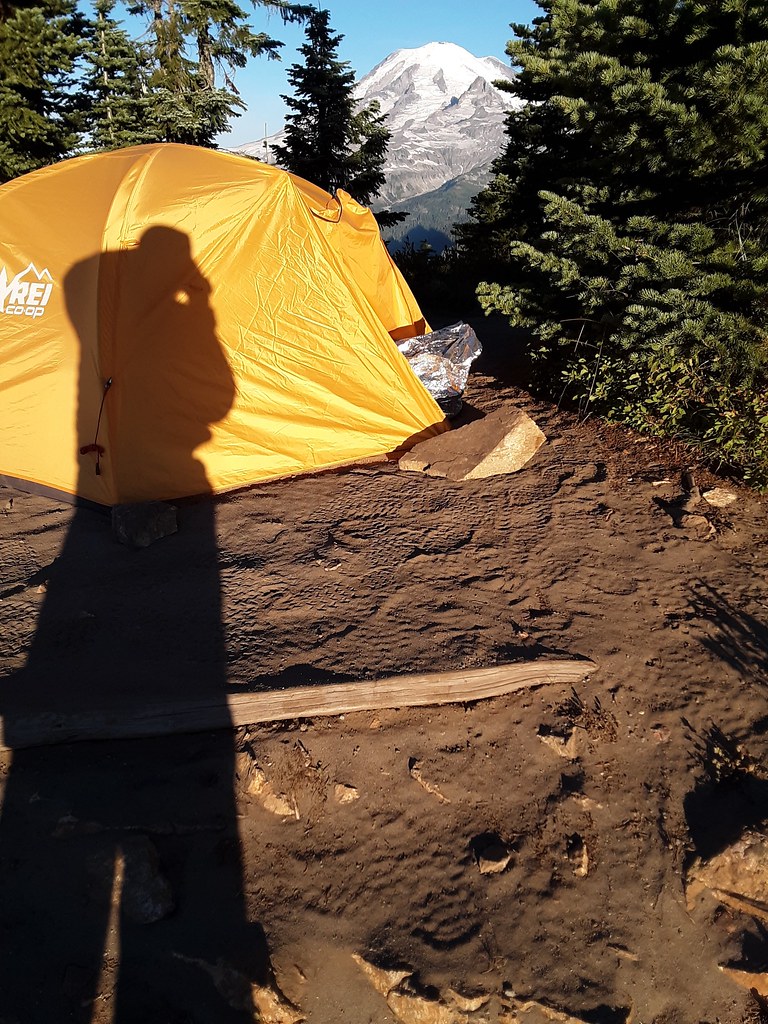
Waking up at 4:00 AM in a high-alpine basin, shivering despite being zipped inside a bulky, four-pound mummy bag, is a rite of passage many hikers wish to leave behind. For years, the traditional sleeping bag was the undisputed king of the backcountry, but as we move into 2026, the landscape of the ultralight backpacking sleep system has shifted dramatically. The search for the best ultralight sleeping quilt has become a primary focus for thru-hikers on the PCT, AT, and CDT, as well as weekend warriors looking to shed significant weight without sacrificing comfort. The modern quilt offers a level of efficiency, versatility, and weight savings that traditional bags simply cannot match, making it the preferred choice for those seeking to cover high mileage with less strain.
In this comprehensive guide, we will explore the nuances of the best ultralight sleeping quilt options available in 2026. We will dive deep into the technical specifications of 20°F quilt and 30°F quilt models, comparing their warmth-to-weight ratios and packed volumes. Whether you are planning a thru-hike of the Colorado Trail or a fast-and-light weekend in the Sierras, understanding the mechanics of loft, baffle design, and pad attachment systems is crucial. This article provides a clear roadmap for selecting your next piece of core gear, covering everything from insulation types to common pitfalls that even experienced hikers encounter when transitioning to a quilt-based system.
Why Choose an Ultralight Sleeping Quilt Over a Traditional Sleeping Bag?
The primary philosophy behind the best ultralight sleeping quilt is the elimination of redundant material. In a traditional sleeping bag, the insulation underneath your body is compressed by your weight, rendering it largely ineffective at trapping heat. By removing the back of the bag and the heavy full-length zipper, manufacturers can reduce weight by 25% to 40% while maintaining the same warmth rating. This makes the quilt a superior lightweight sleeping bag alternative for those who prioritize a low base weight.
Beyond weight savings, quilts offer unparalleled freedom of movement. Active sleepers who toss and turn or side sleepers who find mummy bags restrictive will find that a quilt moves with them rather than against them. In 2026, the design of the ultralight sleeping quilt has evolved to include sophisticated tapering and shaping that mimics the contours of the body, ensuring that there are no cold spots while still providing the airy, non-claustrophobic feel that hikers crave after a long day on the trail.
Key Factors to Consider When Choosing the Best Ultralight Sleeping Quilt in 2026
When evaluating an ultralight quilt comparison, several technical factors determine performance. First is the shell fabric. In 2026, we see a move toward ultra-thin 7D and 10D nylon ripstop fabrics that are treated with advanced PFC-free durable water repellent (DWR) finishes. These fabrics are surprisingly durable for their weight and provide excellent breathability, preventing the clammy feeling often associated with lower-quality gear.
Second is the quality of the insulation. Most high-end quilts utilize 850 to 950-fill power goose or duck down. This high-loft down provides the best warmth-to-weight ratio available. However, the best ultralight sleeping quilt in 2026 also incorporates ethically sourced down standards (RDS) and moisture-resistant treatments that allow the down to maintain loft even in humid conditions. Baffle construction—the internal walls that keep down from shifting—is also critical; vertical baffles in the torso combined with horizontal baffles in the footbox are currently the gold standard for preventing cold spots.
Temperature Ratings Explained – 20°F vs 30°F Quilts for Different Seasons
Choosing between a 20°F quilt and a 30°F quilt is one of the most significant decisions for a thru-hiker. A 20°F model is generally considered the “quiver-of-one” for 3-season hiking in the United States. It provides enough buffer for the freezing temperatures often encountered at high elevations on the Continental Divide Trail or early spring starts on the Appalachian Trail. When the best ultralight sleeping quilt is rated to 20°F, it typically means a limit rating; comfort seekers should always check if the rating is a “comfort” or “limit” specification.
Conversely, a 30°F quilt is the ideal choice for summer-focused trips or lower-elevation trails like the mid-Atlantic sections of the AT or summer treks on the Long Trail. These quilts are lighter and pack down significantly smaller, often fitting into the palm of your hand. However, they require a more robust ultralight thru-hiking sleep setup, including warm base layers and a high-R-value pad, if temperatures dip unexpectedly. For most 2026 hikers, the weight penalty of a 20°F quilt (usually 3–5 ounces) is worth the peace of mind for unpredictable mountain weather.
Down vs Synthetic – Which Fill is Right for Your Hiking Style?
The down vs synthetic quilt debate continues into 2026 with new technological advancements. Down remains the leader for weight and compressibility. A down-filled best ultralight sleeping quilt can last a decade if properly cared for, making it a long-term investment for serious hikers. Its ability to loft back up after being compressed in a dry bag for 10 hours is unmatched by synthetic fibers.
Synthetic insulation, however, has made significant strides. New continuous-filament synthetics are lighter and more packable than ever before. For hikers in extremely wet environments, such as the Pacific Northwest or the boggy sections of the Florida Trail, a synthetic ultralight sleeping quilt is often the safer choice. It retains a higher percentage of its insulating properties when damp and dries much faster than down. While it may be bulkier, the reliability in wet conditions is a trade-off many are willing to make.
Weight, Packed Size, and Warmth-to-Weight Ratio Comparison
In the world of ultralight gear, every gram is scrutinized. The best sleeping quilt 2026 models aim for a weight-to-warmth sweet spot. Below is a comparison of typical specifications for high-end quilts in the current market:
| Quilt Type | Temp Rating | Avg. Weight (oz) | Fill Power | Packed Size (Liters) |
|---|---|---|---|---|
| Ultralight Down | 20°F | 19–22 oz | 900+ | 4–5 L |
| Ultralight Down | 30°F | 15–18 oz | 900+ | 3–4 L |
| Technical Synthetic | 20°F | 26–30 oz | N/A | 7–9 L |
| Technical Synthetic | 30°F | 21–24 oz | N/A | 5–7 L |
As shown, the ultralight quilt comparison highlights that down still wins on raw specs. However, the choice often comes down to the specific conditions of the trail. A 30°F down quilt is the ultimate choice for a weight-obsessed hiker on the JMT, while a 20°F synthetic might be the pragmatic choice for a rainy season trek on the Pinhoti Trail.
Features That Matter Most for Thru-Hikers
The best ultralight sleeping quilt is more than just a blanket; it is a precision-engineered tool. One of the most critical features is the footbox design. Some quilts feature a zippered or drawcord footbox, allowing the quilt to be opened flat like a blanket on warm nights. Others utilize a sewn footbox, which is lighter and warmer because it eliminates the possibility of drafts at the feet. For most thru-hikers, a sewn footbox is the preferred choice for 20°F models, while versatile footboxes are popular for 30°F and 40°F summer quilts.
Draft collars are another essential feature for 2026. These are insulated tubes of fabric around the neck area that prevent warm air from escaping when you move. Combined with a robust pad attachment system—usually consisting of thin elastic straps that wrap around your sleeping pad—the best ultralight sleeping quilt can be “locked down” to the pad, effectively creating a draft-free microclimate. Without a functional pad attachment system, a quilt is just a blanket that will let in cold air every time you turn over.
How to Pair Your Quilt With a Sleeping Pad for Maximum Warmth
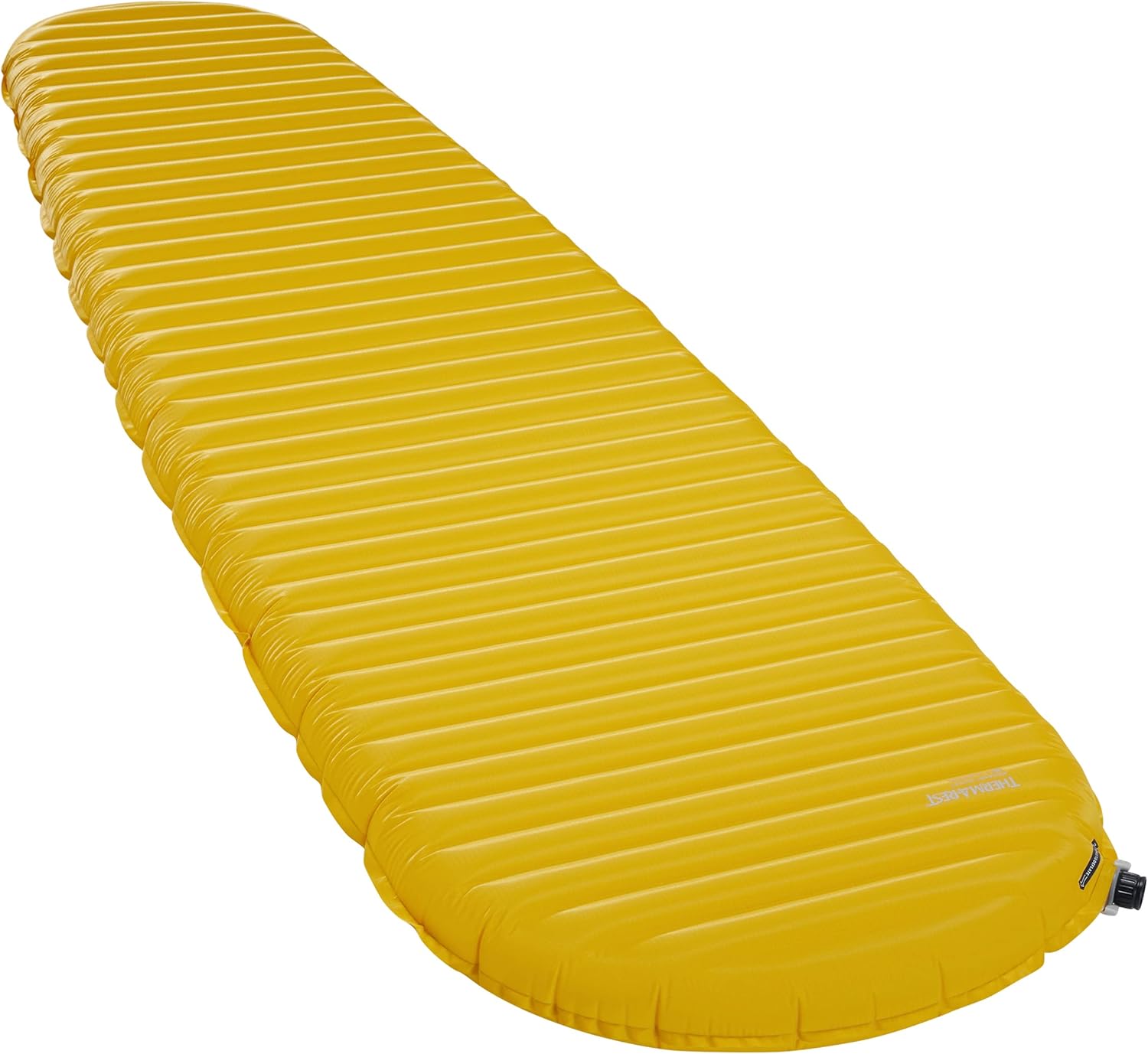
An ultralight backpacking sleep system is only as strong as its weakest link. Because a quilt has no bottom insulation, your sleeping pad is responsible for 100% of the protection against the cold ground. In 2026, it is recommended to pair a 20°F quilt with a pad having an R-value of at least 4.0 for 3-season use. If you are using a 30°F quilt in shoulder seasons, you might even consider an R-value of 5.0 or higher.
The width of the pad also matters. If your pad is too narrow (20 inches), the edges of the best ultralight sleeping quilt may hang off the sides, increasing the likelihood of drafts. Many ultralight hikers are moving toward 25-inch wide pads to ensure the quilt has ample surface area to wrap around the body and the pad, creating a secure seal. This synergy between the quilt and the pad is what allows for a comfortable night’s sleep at sub-freezing temperatures.
Common Mistakes When Buying and Using an Ultralight Sleeping Quilt
The most frequent mistake is buying a quilt that is too narrow. To save weight, some hikers choose the “slim” version of a quilt, only to find that they cannot move without creating gaps that let in cold air. For most adults, a “wide” version (usually 54–58 inches) is the safer bet for the best ultralight sleeping quilt experience, especially if you are a side sleeper. The extra couple of ounces are worth the significant increase in thermal efficiency.
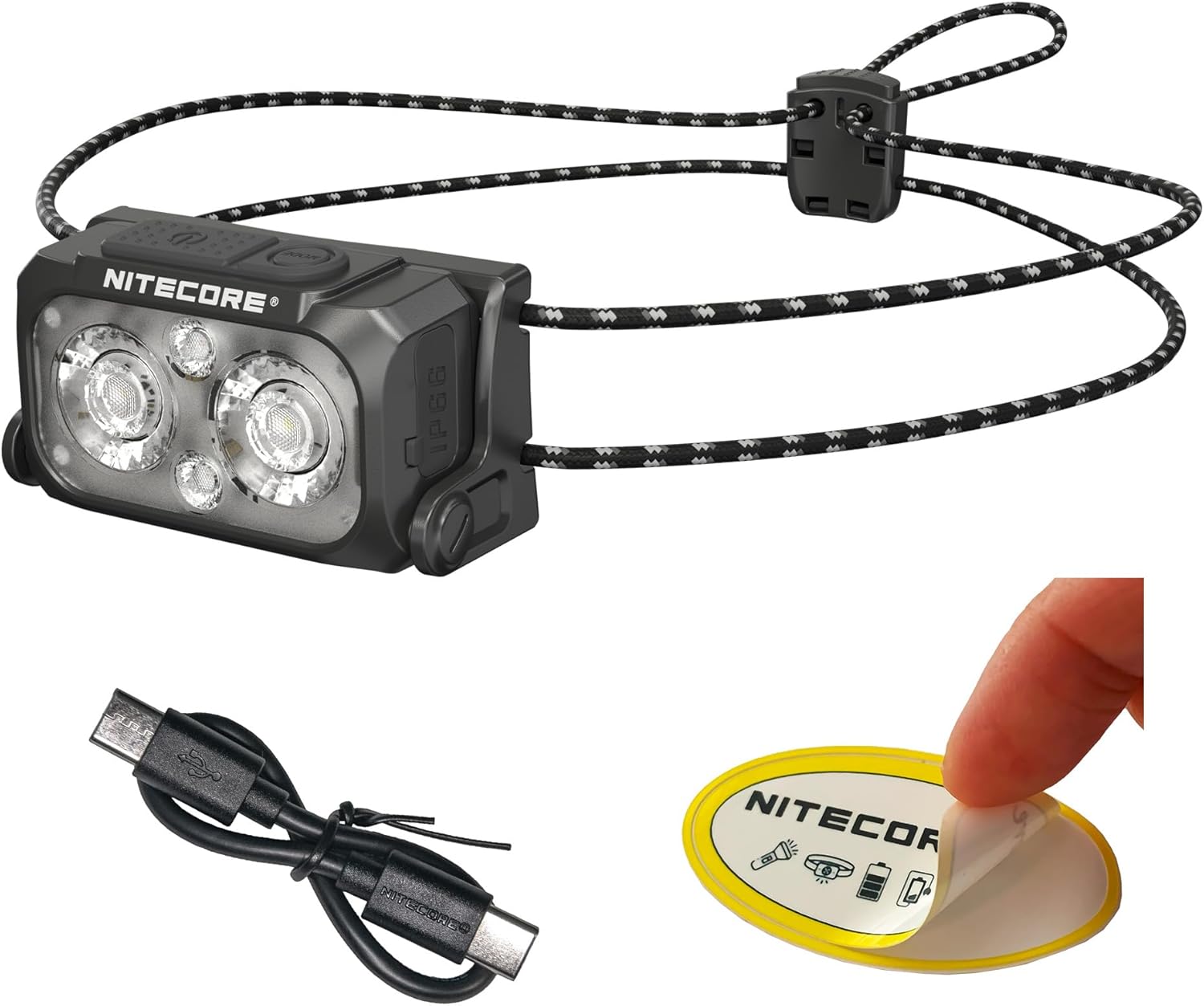
Another common error is neglecting head insulation. Since quilts do not have hoods, you must provide your own warmth for your head. In 2026, the trend is toward using a dedicated down balaclava or a high-quality fleece beanie. Some hikers rely on the hood of their down jacket, but this can be restrictive. Forgetting this component can make a 20°F quilt feel like a 40°F bag, as a massive amount of body heat is lost through the head.
Frequently Asked Questions
Is an ultralight sleeping quilt warm enough for the Pacific Crest Trail?
Yes, a 20°F quilt is the standard for the PCT. It handles the cold nights in the High Sierra and the North Cascades effectively, especially when paired with a high-R-value sleeping pad and proper base layers.
How do I wash my down quilt without ruining the loft?
Use a specialized down wash and a front-loading washing machine on a gentle cycle. The most critical step is drying on low heat with clean tennis balls or dryer balls for several hours to break up down clumps and restore loft.
Can I use a 30°F quilt for early spring starts on the AT?
It is generally not recommended. Early spring on the AT often sees temperatures in the teens. A 30°F quilt would require heavy supplemental clothing and a very warm pad, making a 20°F model a much safer and more comfortable choice for an ultralight thru-hiking sleep setup.
What is the difference between a sewn and zippered footbox?
A sewn footbox is lighter and warmer (no drafts), while a zippered footbox allows the quilt to be opened flat. The best ultralight sleeping quilt for cold weather usually has a sewn footbox.
Are synthetic quilts worth the extra weight?
If you hike in consistently wet or humid climates where down might collapse, yes. Modern synthetics in 2026 offer a respectable ultralight quilt comparison to down in terms of performance, even if they don’t pack as small.
Do I need a wide quilt if I am a back sleeper?
Back sleepers can often get away with a regular width, but if you tend to sprawl or change positions, a wide quilt provides a much better seal against the sleeping pad, ensuring no heat escapes.
Conclusion
As we look toward the hiking seasons of 2026, the shift toward the best ultralight sleeping quilt is no longer just a trend—it is the new standard for efficient backcountry travel. By understanding the critical balance between temperature ratings, fill types, and design features like footboxes and draft collars, you can assemble a sleep system that is both incredibly light and remarkably warm. The transition from a traditional bag to a quilt represents more than just weight savings; it represents a commitment to a more modular, comfortable, and thoughtful way of experiencing the wilderness.
Whether you choose the versatile 20°F quilt for high-alpine adventures or the featherweight 30°F quilt for fast summer pushes, the key is to view your sleep system as a holistic unit. Pair your quilt with a high-quality pad, invest in proper head insulation, and take the time to master your pad attachment system. With the right gear, the cold nights that once felt like a challenge will become the most restorative part of your journey. The trails are calling, and with a modern ultralight setup, you’ll be more than ready to answer. Which temperature rating are you leaning toward for your next hike? Share your thoughts and your planned 2026 gear list in the comments below!
