
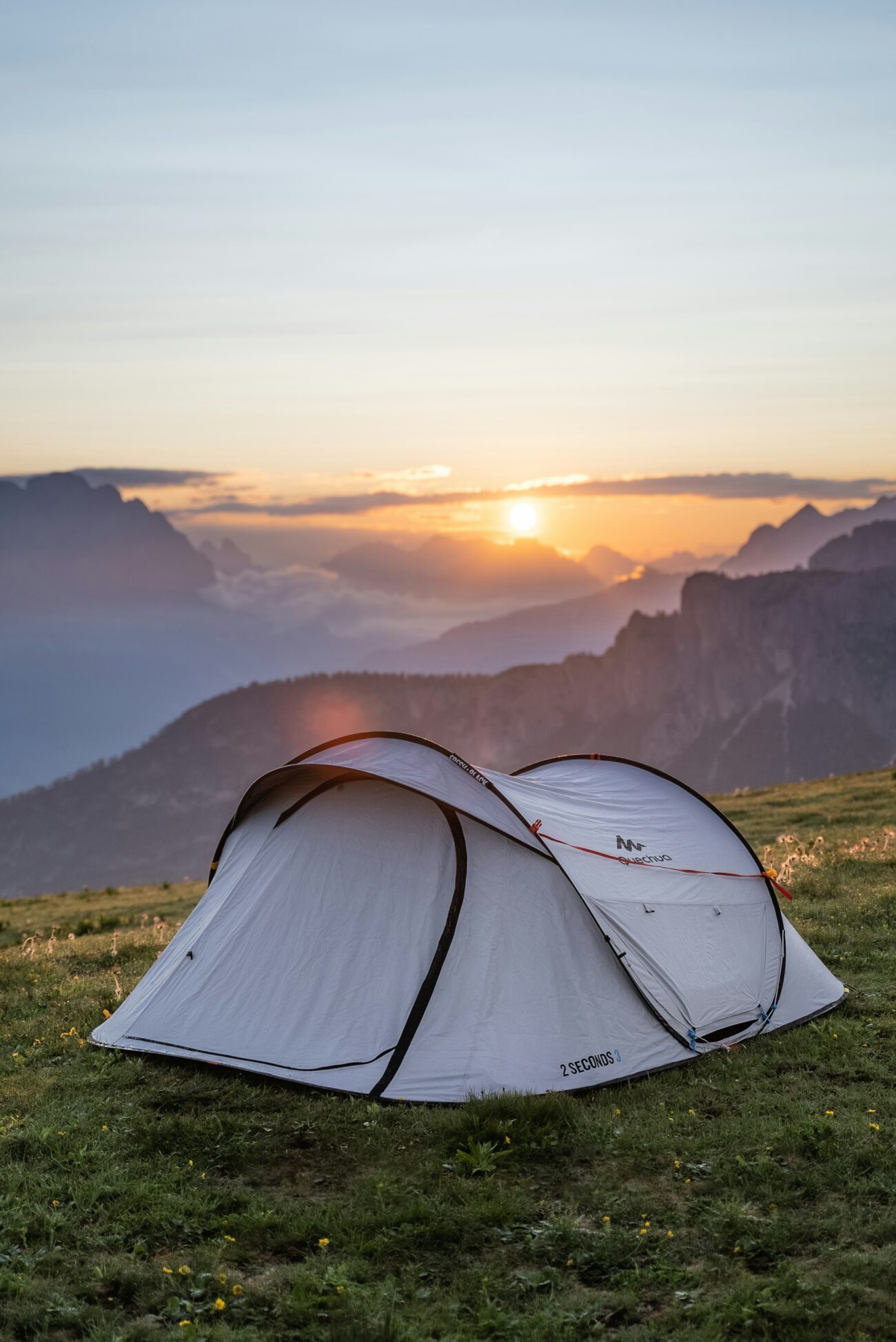
Imagine you are standing on the edge of the Hardangervidda plateau in Norway. The sun is dipping below the horizon, painting the tundra in shades of bruised purple and burnt orange. But the wind is picking up, a low howl that vibrates through your trekking poles, and the scent of rain is heavy in the air. In this moment, your tent is not just a piece of gear; it is your sanctuary, your lifeline, and the difference between a restorative night and a cold, damp disaster. For those of us chasing a base weight under 5kg, every gram counts, but in the unpredictable wild, performance is paramount. Finding the best ultralight tents 2026 has to offer means balancing the obsessive pursuit of lightness with the harsh reality of mountain weather.
As an experienced trekker who has spent countless nights huddled inside various nylon and DCF (Dyneema Composite Fabric) cocoons, I’ve learned that the ‘gear less, hike more’ philosophy isn’t about deprivation—it’s about liberation. By shedding the unnecessary bulk of traditional 3kg tents, you open up the possibility of 30-mile days and higher peaks. However, as we move into 2026, the technology has shifted. We are seeing a move away from the sagging issues of sil-nylon toward high-tenacity sil-poly and refined DCF weaves that handle high winds and torrential rain better than ever before. This guide is designed to help you navigate these advancements and select a shelter that stays standing when the storm hits.
What are Ultralight Tents and Why Go Ultralight in 2026?
An ultralight (UL) tent is generally defined as a shelter that weighs less than 1 kilogram (2.2 lbs) for a one-person setup, often utilizing trekking poles for support rather than dedicated tent poles. In 2026, the definition has tightened; many of the best ultralight tents 2026 are now pushing into the 400g to 700g range without sacrificing full storm protection. But why bother with the high price tag of these high-tech fabrics?
The benefits are twofold: physical longevity and mental clarity. When your pack is light, your joints suffer less, your energy levels remain consistent, and you are more likely to actually look up at the scenery rather than down at your feet. For Norwegian hiking or thru-hiking the PCT, a heavy pack is the primary reason for ‘trail burnout.’ By choosing the best ultralight gear 2026, you are investing in your ability to stay on the trail longer. Furthermore, modern UL tents are designed with sophisticated geometries that shed wind more efficiently than the heavy, ‘bombproof’ domes of yesteryear. The ‘gear less’ philosophy encourages you to master your skills—site selection, pitch tension, and condensation management—rather than relying on heavy materials to mask poor technique.
Key Criteria for Choosing an Ultralight Tent in 2026
When selecting a shelter for windy and rainy environments, you cannot simply look at the weight. You must evaluate the ‘Big Four’ of UL shelter design:
- Material (DCF vs. Sil-Poly vs. Sil-Nylon): In 2026, Sil-poly has largely overtaken Sil-nylon because it does not stretch when wet, meaning your tent stays taut during a midnight downpour. DCF remains the gold standard for weight and absolute waterproofness, though it is bulkier and more expensive.
- Geometry and Wind Shedding: A tent with steep walls might offer great headroom, but it acts like a sail in a gale. Look for aerodynamic shapes like pyramids (mids) or offset designs that present a low profile to the wind.
- Condensation Management: Single-wall tents are lighter but prone to internal moisture. Double-wall tents or ‘hybrid’ designs with massive mesh venting are essential for the humid, rainy conditions often found in coastal or alpine regions.
- Ease of Pitch: When your hands are numb and the rain is horizontal, you don’t want to fiddle with complex pole sleeves. The best ultralight tents 2026 prioritize ‘outer-first’ or integrated pitches to keep the interior dry.
Top 10 Recommendations for 1-2 Person UL Shelters (2026)
| Model | Weight (approx) | Material | Capacity | Price Range |
|---|---|---|---|---|
| Durston X-Mid 1 Pro | 450g | DCF / Sil-Poly Floor | 1 Person | $$$$ |
| Zpacks Offset Duo | 560g | DCF | 2 Person | $$$$$ |
| Tarptent Dipole 1 Li | 620g | DCF | 1 Person | $$$$ |
| Hyperlite Mountain Gear Mid 1 | 480g | DCF | 1 Person | $$$$ |
| Nemo Hornet OSMO 1P | 820g | OSMO Fabric | 1 Person | $$$ |
| Gossamer Gear The One | 500g | Sil-Poly | 1 Person | $$ |
| Six Moon Designs Lunar Solo | 740g | Sil-Poly | 1 Person | $$ |
| Big Agnes Fly Creek HV UL1 | 765g | Solution Dye Nylon | 1 Person | $$$ |
| Locus Gear Khufu | 470g (tarp only) | DCF / Sil-Nylon | 1-2 Person | $$$$ |
| MSR Hubba Hubba LT | 980g | Lightweight Nylon | 1 Person | $$$ |
1. Durston X-Mid 1 Pro
The X-Mid 1 Pro remains the king of the best ultralight tents 2026 category. Designed by Dan Durston, its unique offset pole geometry provides massive interior space and a pitch that is naturally wind-resistant without requiring any ‘guessing’ on stake placement. Pros: No sag, incredible space-to-weight ratio, easy pitch. Cons: Large footprint requires a bigger campsite. Field Note: I’ve used this in the Scottish Highlands; it handled 40mph gusts with barely a shiver.
2. Zpacks Offset Duo
The Offset Duo is Zpacks’ answer to the demand for more vertical sidewalls. By offsetting the trekking poles, they’ve eliminated the ‘tent fabric in your face’ feeling. Pros: Extremely light for a 2-person tent, fully waterproof DCF. Cons: Very expensive, DCF is bulky when packed. Field Note: Perfect for couples aiming for a base weight under 5kg.
3. Hyperlite Mountain Gear Mid 1
A classic pyramid design refined for the modern age. The Mid 1 is a fortress. If you are frequently in windy & rainy environments, the 360-degree protection of a pyramid is hard to beat. Pros: Bombproof in wind, simple setup. Cons: Single wall means you must manage condensation carefully.
4. Gossamer Gear The One (2026 Edition)
The best ‘bang for your buck’ in the UL world. The 2026 update uses a proprietary high-tenacity sil-poly that is thinner yet stronger than previous iterations. Pros: Affordable, very light, great headroom. Cons: Requires a perfect pitch to stay stable in high winds.
My Personal Setup: The Norwegian Tundra Combo
When I head into the Jotunheimen mountains, my gear selection is dictated by the probability of ‘four seasons in one day.’ My current favorite setup is the Durston X-Mid 2 Pro. Even when solo, the extra space allows me to bring my wet gear inside without soaking my quilt. I pair this with a lightweight waterproof jacket that doubles as an extra layer for sleep if the temperature drops.
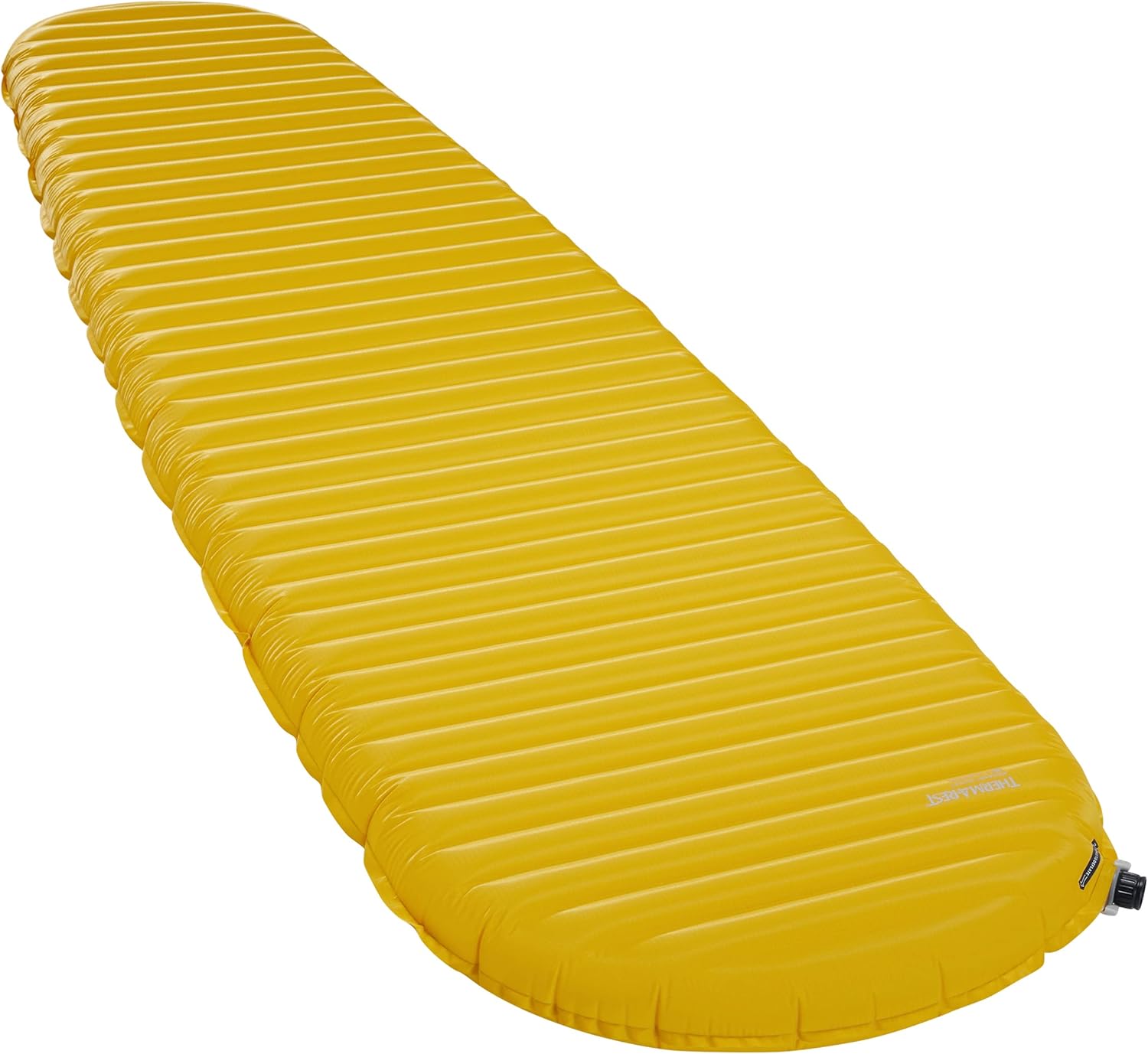
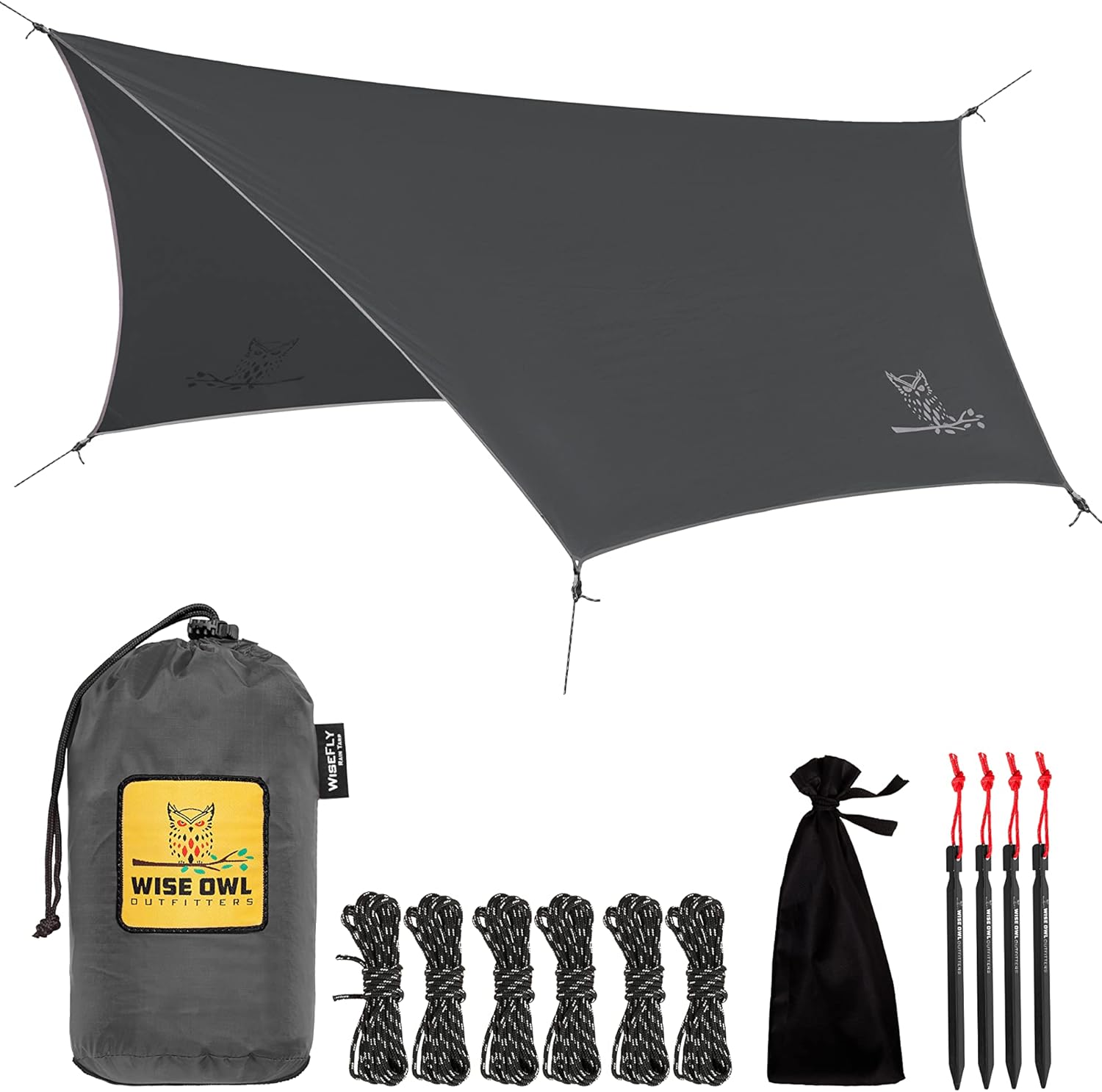
In Norway, the ground is often rocky or boggy. I always carry a custom-cut Tyvek or Polycro groundsheet to protect the thin tent floor. This setup, combined with a high-R-value pad, ensures that even if the rain turns to sleet, I am warm and dry. This holistic approach is the core of the best ultralight gear 2026 strategy: your tent, your lightweight waterproof jacket, and your sleep system must work as a unified barrier against the elements.
Budget Alternatives and DIY Tips
You don’t need to spend $800 to go ultralight. If the top-tier DCF models are out of reach, consider these strategies:
- The ‘Naturehike’ Route: Brands like Naturehike offer clones of popular designs at 1/4 the price. They are heavier (usually 1.2kg – 1.5kg), but by swapping the heavy stakes for titanium ones, you can get close to UL territory.
- Tarp and Bivy: For the ultimate ‘gear less’ experience, a simple flat tarp and a water-resistant bivy bag can weigh under 400g and cost less than $150. It requires more skill to pitch but offers the best connection to nature.
- DIY Tyvek Footprints: Don’t buy the $50 branded footprint. Go to a construction site or hardware store, get a scrap of Tyvek HomeWrap, wash it in a machine (no soap) to soften it, and cut it to size. It’s nearly indestructible and weighs pennies.
Common Mistakes to Avoid
Even with the best ultralight gear 2026, things can go wrong. Avoid these common pitfalls:
- Over-tensioning DCF: Unlike nylon, DCF does not stretch. If you crank down your guy-lines too hard, you can actually pull the laminate apart or snap a stake. Taut is good; ‘guitar-string tight’ is dangerous.
- Poor Site Selection: Never pitch in a depression where water can pool. In windy & rainy environments, look for natural windbreaks like bushes or large rocks, but avoid ‘widow-makers’ (dead trees).
- Ignoring the Drip Line: Ensure your inner tent is not touching the outer fly. Once they touch, capillary action will pull moisture straight onto your sleeping bag.
Packing and Usage Tips for Multi-Day Cold Treks
When you are on a multi-day trek in the rain, your tent will get wet. The key is to keep that moisture away from your dry gear. I always store my wet tent in an external mesh pocket of my backpack rather than inside. This keeps the interior of my pack dry and allows the tent to drain.
For cold treks, remember that a smaller tent is easier to warm up with your body heat. However, you must keep a vent open. The ‘warmth’ gained by closing all vents is quickly negated by the ‘rain’ of condensation falling on your face at 3 AM. If you’re struggling with a high base weight, check out our backpack list for 2026 to see how to carry your new UL tent more efficiently.
Conclusion
Choosing from the best ultralight tents 2026 is about more than just shedding ounces; it’s about increasing your confidence in the backcountry. Whether you choose the architectural brilliance of the X-Mid or the minimalist fortress of an HMG Pyramid, the goal remains the same: gear less, hike more. By reducing your burden, you find that the mountains become more accessible, the climbs less daunting, and the experience more profound.
The technology of 2026 has brought us to a point where we no longer have to choose between ‘light’ and ‘safe.’ You can have both. So, take the leap, refine your kit, and head out into those windy & rainy environments with the knowledge that your shelter is up to the task. What is your ‘dream’ tent for 2026? Are you a DCF loyalist or a Sil-Poly convert? Let me know in the comments below, and don’t forget to check out our cold layering guide to round out your 2026 kit!
Frequently Asked Questions (FAQ)
Is DCF worth the extra money in 2026?
Yes, if you prioritize weight and no-sag performance. DCF is significantly lighter than Sil-Poly and does not absorb water, meaning your tent weighs the same even when soaking wet. However, for those on a budget, modern Sil-Poly offers 90% of the performance for 40% of the price.
Can a 1-person tent really handle high mountain winds?
Absolutely, provided it has a low-profile geometry. Pyramid-style tents and offset designs like the X-Mid are specifically engineered to deflect wind. Site selection and using all available guy-out points are crucial for stability.
Single-wall vs. Double-wall: which is better for rain?
Double-wall tents are generally better for rainy and humid environments as they provide a physical barrier between you and the condensation on the fly. However, many 2026 single-wall tents feature improved venting that makes them viable for all but the most humid conditions.
How long do ultralight tents last?
With proper care, a high-quality UL tent can last 200-300 nights. DCF tends to lose its waterproofness over time due to ‘micro-cracking,’ while Sil-Poly is incredibly durable against UV rays and abrasion. Always use a groundsheet to extend the life of your floor.
What is the ‘best’ weight for a thru-hiking tent?
For a solo hiker, the ‘sweet spot’ in 2026 is between 450g and 750g. This provides a balance of durability, interior space, and storm protection without weighing you down on 20+ mile days.
Do I need special trekking poles for these tents?
Most UL tents are designed to work with any standard adjustable trekking poles. However, ensure your poles can extend to the required height (usually 120cm – 135cm). Fixed-length poles may require pole jacks (extenders).
Related Posts:
– Top 5 Ultralight Backpacks for 2026
– The Ultimate Guide to DCF vs Sil-Poly
– How to Achieve a Sub-5kg Base Weight
