
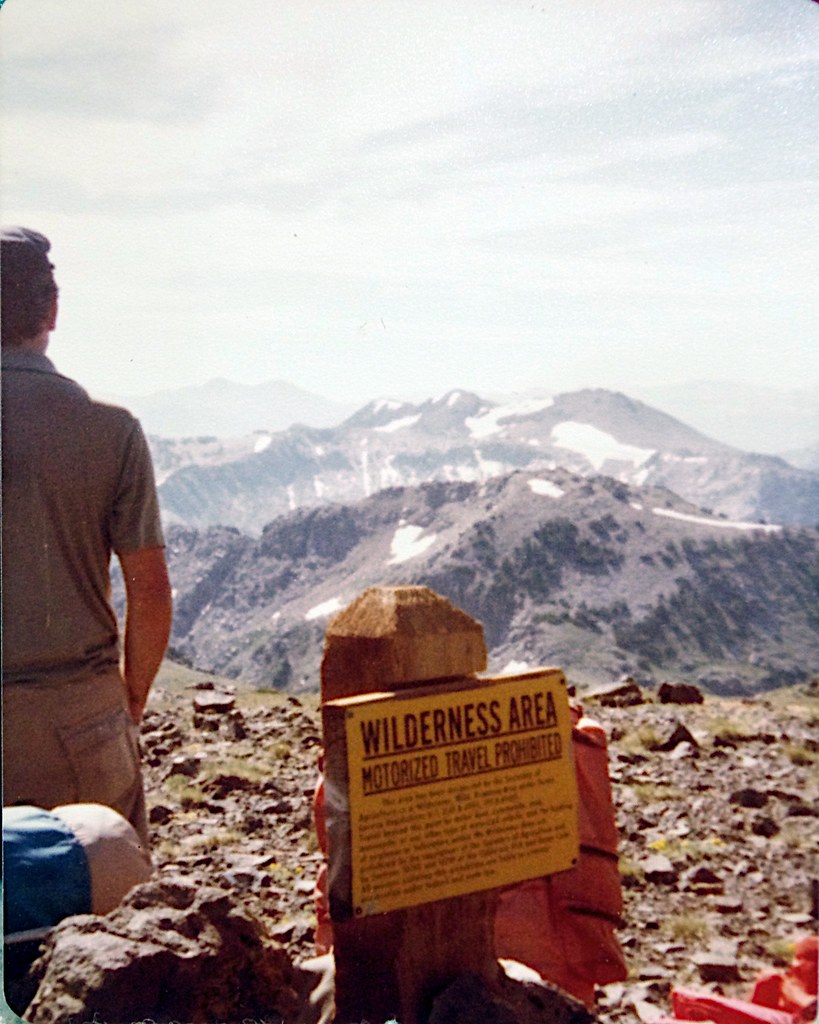
Standing at the southern terminus of the Pacific Crest Trail or the beginning of the Appalachian Trail, a common sensation often permeates the air: the heavy, sinking feeling of a pack that weighs far more than it should. For many hikers, the dream of a seamless, floating journey through the wilderness is often weighed down by the physical reality of excessive gear. In the modern era of long-distance hiking, knowing how to build an ultralight pack is no longer just a niche pursuit for gear enthusiasts; it has become a fundamental skill for anyone looking to increase their daily mileage, reduce the risk of overuse injuries, and truly enjoy the scenery instead of staring at their feet in exhaustion.
As we move into 2026, the landscape of long-distance hiking continues to evolve. Trail conditions are shifting, and the community has reached a consensus that less is often more. This guide focuses on the philosophy and practical application of base weight reduction. By moving away from the traditional heavy-hauling mindset, hikers can unlock a more responsive and agile experience on the trail. Whether planning a thru-hike of the Continental Divide Trail or a week-long excursion in the High Sierra, the principles of an ultralight setup remain the same. This article provides a comprehensive roadmap for achieving a lighter load, covering everything from the psychological hurdles of shedding gear to the technical nuances of the ‘Big Three’ items.
Throughout the following sections, we will explore a step-by-step process to transform a cumbersome kit into a streamlined system. We will define what ultralight truly means in today’s context, conduct a thorough audit of existing gear, and examine how to simplify every aspect of life on the trail—from sleeping and eating to clothing and hygiene. By the end of this guide, the path to achieving a base weight under 10 pounds will be clear, providing the freedom to move through nature with unprecedented ease.
What does “how to build an ultralight pack” really mean?
Learning how to build an ultralight pack is fundamentally an exercise in critical thinking and intentionality. It is not merely about buying the most expensive, high-tech gear available; rather, it is about understanding the relationship between the items carried and the environment encountered. At its core, the ultralight philosophy asks a simple question: “Is this item absolutely necessary for my safety and basic comfort?” If the answer is not a definitive yes, it likely does not belong in the pack.
In 2026, the definition of ultralight has stabilized around the concept of a base weight—the weight of all gear excluding consumables like food, water, and fuel—that falls below 10 pounds (approximately 4.5 kilograms). However, the process is less about hitting a specific number and more about the mindset of efficiency. It involves choosing multi-purpose items, embracing a certain level of minimalism, and relying on skills rather than just equipment. For example, instead of carrying a heavy, dedicated camp chair, an ultralight hiker might use their sleeping pad or a lightweight sit-pad. This shift in perspective is the first and most important step in the journey of base weight reduction.
[Image 1: A minimalist ultralight backpacking gear layout on a clean surface for base weight reduction in 2026. Alt-text: How to build an ultralight pack gear layout for 2026 hiking season.]
Understanding base weight and why reduction matters
Base weight is the most reliable metric for comparing different backpacking setups because it remains constant regardless of the length of the trip. While food and water weight fluctuate, the base weight is the foundation upon which everything else is built. Understanding why base weight reduction matters is crucial for maintaining motivation during the often-difficult process of letting go of familiar gear. The physics are simple: every pound removed from the back reduces the impact on joints, lowers the metabolic cost of movement, and decreases the likelihood of blisters and fatigue.
Beyond the physical benefits, a lighter pack offers significant mental advantages. When a hiker is not struggling under a 40-pound load, they have more mental energy to navigate difficult terrain, appreciate the biodiversity of the trail, and stay present in the moment. In the context of 2026 thru-hiking, where climate variability can lead to longer water carries or unexpected weather shifts, having a low base weight provides a “buffer.” This extra capacity allows a hiker to carry more water or food when necessary without exceeding their physical limits. Reducing pack weight is, therefore, a strategy for both performance and safety.
Step 1: Audit your current pack
The first step in any successful base weight reduction plan is a cold, hard look at what is currently being carried. This requires a digital scale and a spreadsheet. To truly understand how to build an ultralight pack, one must weigh every single item—down to the tenth of an ounce. This process often reveals surprising weight ‘leaks’ in areas like stuff sacks, heavy toiletries, or redundant clothing layers.
During this audit, categorize items into three groups: Essentials (items used every day), Safety (first aid, navigation, emergency shelter), and Optional (luxury items). Many hikers find that their ‘optional’ category is far larger than they realized. By visualizing the weight of each category, it becomes easier to identify the low-hanging fruit for weight savings. It is common to discover that small, seemingly insignificant items can add up to several pounds of unnecessary weight.
| Mindset Aspect | Traditional Backpacking | Ultralight Backpacking |
|---|---|---|
| Primary Goal | Maximum comfort in camp | Maximum comfort while moving |
| Gear Choice | Heavy, durable, multi-featured | Lightweight, simple, multi-purpose |
| Safety Philosophy | Safety through more gear | Safety through skills and knowledge |
| Pack Weight | 30–50+ lbs | Under 20 lbs total (with consumables) |
Step 2: Optimize the Big 3 (pack, shelter, sleep system)
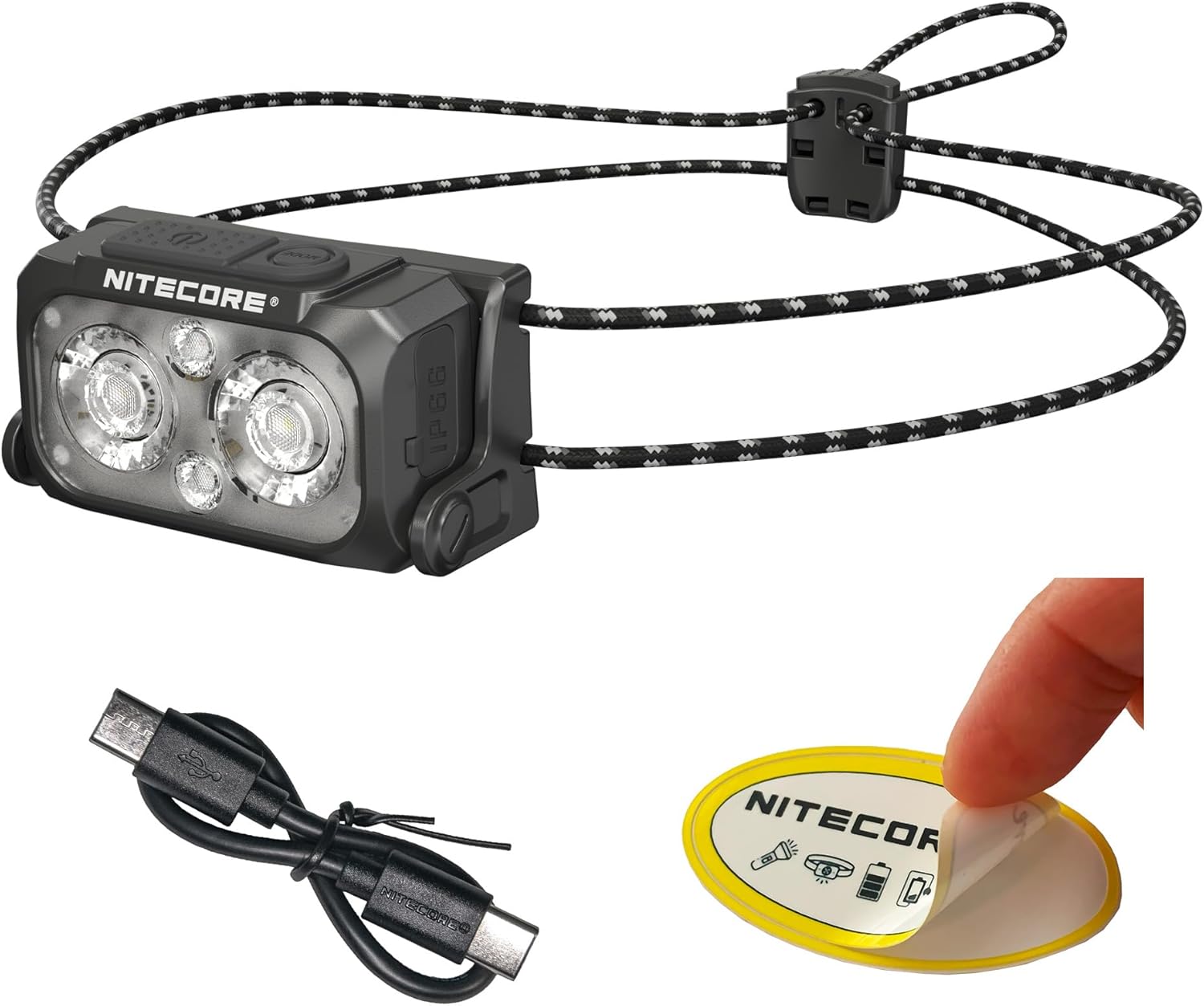
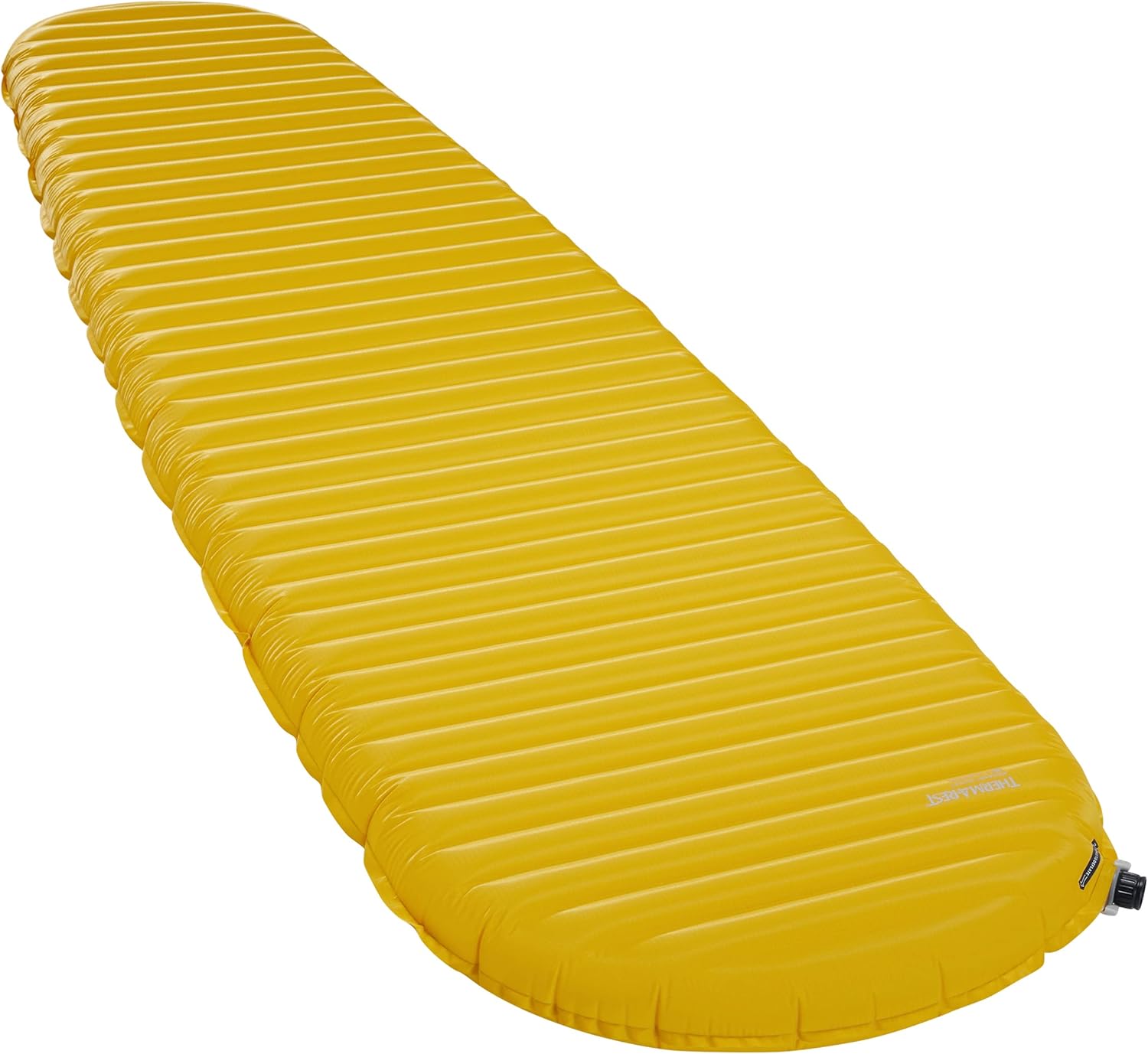
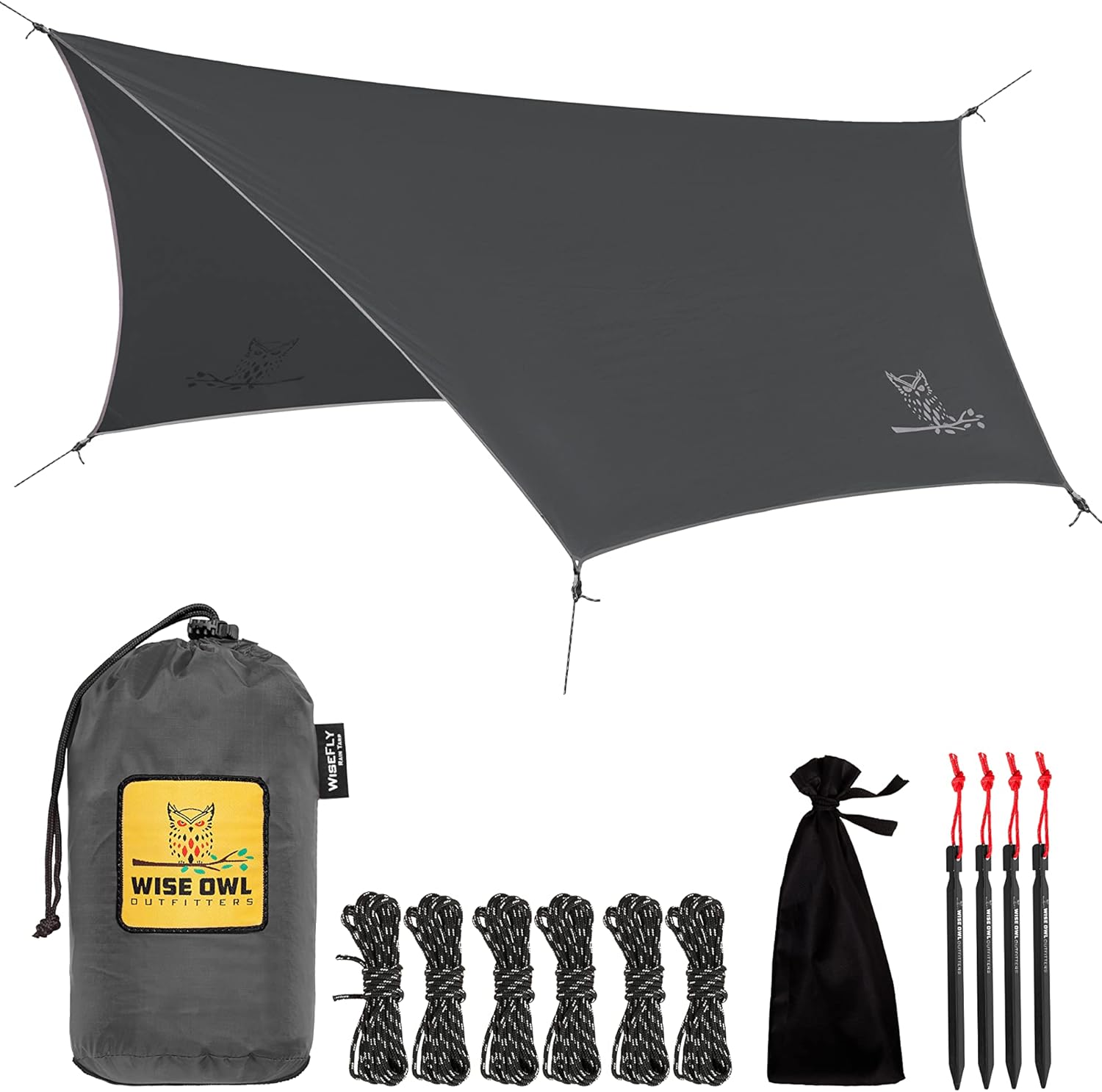
When looking at how to build an ultralight pack, the most significant weight savings are always found in the ‘Big Three’: the backpack itself, the shelter (tent or tarp), and the sleep system (sleeping bag/quilt and pad). These items typically account for the majority of a hiker’s base weight. In 2026, advancements in materials like ultra-high-molecular-weight polyethylene (UHMWPE) and refined aerodynamic shelter designs have made it easier than ever to find high-performance gear that weighs a fraction of traditional equipment.
For the shelter, consider moving from a double-wall tent to a single-wall trekking pole-supported shelter or a simple tarp and bivy setup. For the sleep system, switching from a heavy synthetic mummy bag to a high-fill-power down quilt can save over a pound while providing better temperature regulation. Finally, the pack itself should be the last thing purchased. An ultralight pack is often frameless or has a minimal frame, designed to carry loads under 25-30 pounds. By reducing the weight of the shelter and sleep system first, a hiker can safely transition to a much lighter, smaller-volume backpack.
[Image 2: An ultralight trekking pole tent pitched in a high-alpine meadow on the PCT. Alt-text: Ultralight backpacking setup featuring a minimalist shelter for base weight reduction.]
Step 3: Streamline clothing and layering
A frequent mistake in an ultralight packing list is carrying too many clothes. The key to a lightweight setup is a cohesive layering system where every piece works together. In 2026, the trend has shifted toward highly breathable active layers and ultralight static insulation. A standard system should include a base layer (worn), a mid-layer for warmth (like a lightweight fleece or alpha-direct hoodie), a puffy jacket for camp, and a rain shell.
The concept of ‘worn weight’ versus ‘carried weight’ is vital here. While items worn on the body do not count toward base weight, they still require energy to move. Hikers should avoid carrying ‘town clothes’ or multiple changes of underwear. Instead, focus on high-quality fabrics that manage moisture and odor effectively. Remember, on a long-distance trail, it is perfectly acceptable to wear the same outfit for several days. By eliminating just two extra shirts and a pair of heavy pants, a hiker can easily achieve a significant base weight reduction.
Step 4: Simplify cooking & water systems
The kitchen is another area where weight tends to creep up. To truly master how to build an ultralight pack, one must evaluate the necessity of a stove. Many modern thru-hikers have transitioned to ‘cold soaking’—rehydrating meals in a lightweight plastic container without heat. This eliminates the weight of a stove, fuel canister, and lighter. If a stove is preferred, opting for a tiny titanium canister stove or an alcohol stove can keep the weight minimal.
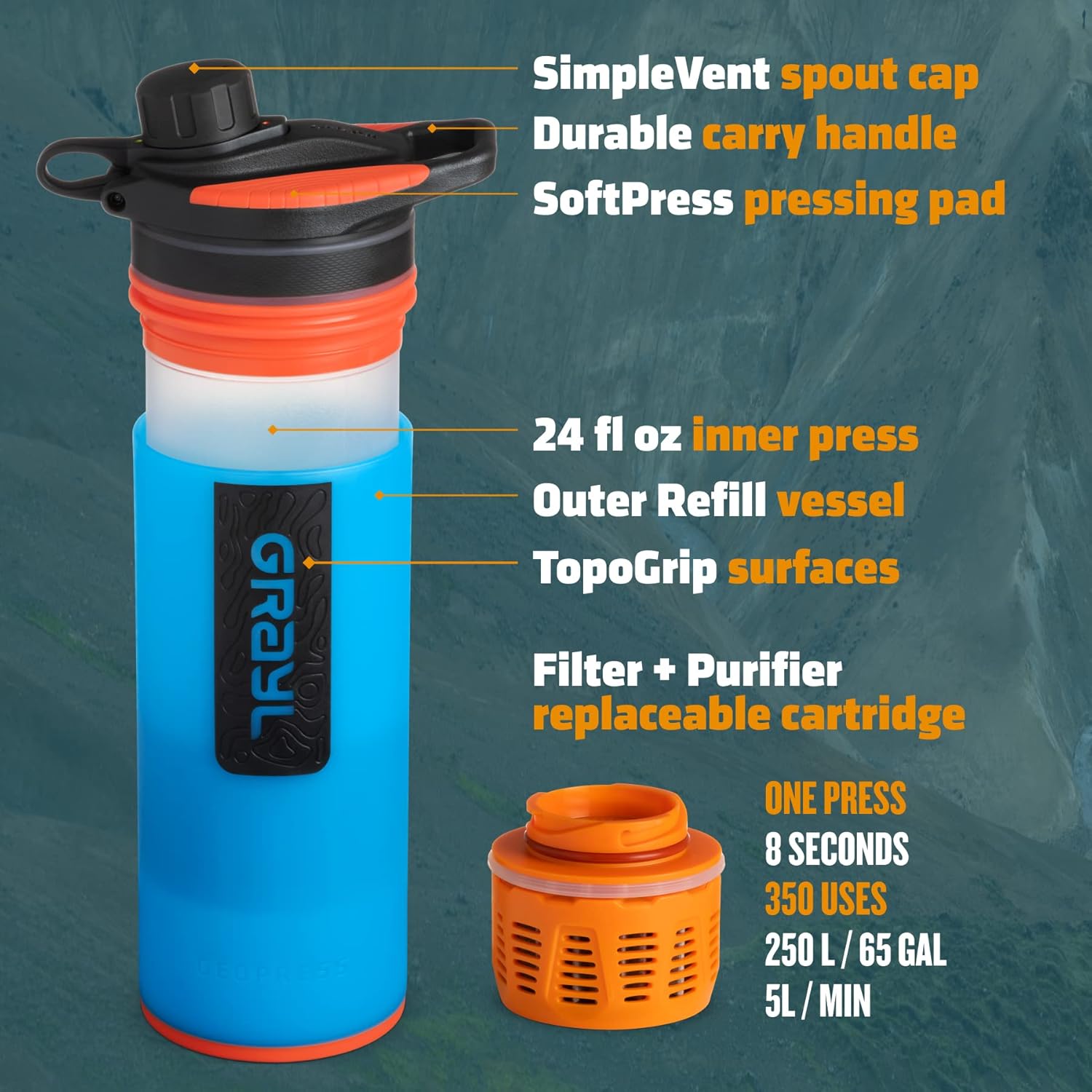
Water filtration has also become significantly lighter. Gone are the days of heavy pump filters. Modern hollow-fiber membrane filters that screw directly onto collapsible bottles are the gold standard for 2026. This setup is not only lighter but also faster and easier to use. Additionally, consider the weight of the water containers themselves. Simple, recycled plastic bottles are often lighter and more durable than heavy-duty hydration bladders. Streamlining these systems is a core component of a step by step approach to a lighter pack.
[Image 3: A small titanium stove and a single pot used for ultralight cooking on the trail. Alt-text: Simplified cooking system for an ultralight packing list.]
Step 5: Cut miscellaneous items and redundancies
The ‘miscellaneous’ category is where the ‘just in case’ mentality thrives. To achieve a base weight under 10 pounds, one must be ruthless with small items. Do you really need a massive multi-tool, or will a tiny pair of scissors and a single blade suffice? Do you need a full bottle of sunscreen, or can you repackage it into a small 0.5-ounce dropper bottle? These small decisions are the essence of how to build an ultralight pack.
Common redundancies to eliminate include carrying multiple light sources (one headlamp is usually enough), excessive first aid supplies (focus on blister care and basic meds), and large power banks. In 2026, electronic efficiency has improved, meaning smaller, lighter batteries can often last between town stops. Review every item in the ‘electronics’ and ‘hygiene’ bags and ask if a smaller or lighter version exists. If an item hasn’t been used in the last three trips, it probably shouldn’t be in the pack.
Step 6: Test, refine and verify your setup
Theory is one thing; practice is another. Before embarking on a major thru-hike like the CDT or JMT, it is essential to take the updated kit on several ‘shakedown’ hikes. This testing phase allows a hiker to verify that their base weight reduction hasn’t compromised their safety or basic needs. It is during these trips that one discovers if a 1/8-inch foam pad is actually comfortable enough for sleep or if a certain tarp pitch is adequate for wind protection.
Refinement is an iterative process. After each trip, take note of what worked and what didn’t. Did you use the extra pair of socks? Was the shelter easy to pitch in the rain? Use this feedback to further prune the ultralight packing list. The goal is to reach a state of gear-equilibrium where everything in the pack has a purpose and the hiker feels confident in their ability to use it effectively in varying conditions.
[Image 4: A hiker weighing their backpack with a digital luggage scale before a trip. Alt-text: Verifying base weight reduction for an ultralight setup.]
Common mistakes during base weight reduction
While the pursuit of a lighter pack is noble, it is easy to fall into certain traps. One of the most common mistakes is ‘stupid light’—reducing weight to the point where safety is compromised or the hiker becomes miserable. For example, leaving behind a rain jacket in an area prone to hypothermia-inducing storms is not ultralight; it is dangerous. Similarly, choosing a pack with no suspension for a 35-pound total load will result in pain and potential injury.
Another mistake is focusing on the weight of an item without considering its durability or functionality. An ultralight setup must still be robust enough to withstand the rigors of a 2,000-mile trail. Hikers should also avoid the ‘gear-buying’ trap, where they believe they can buy their way into an ultralight lifestyle without developing the necessary skills. True weight reduction comes from a combination of the right gear and the knowledge of how to use it safely in the backcountry.
Realistic base weight targets for different seasons and trails
It is important to acknowledge that a base weight under 10 pounds may not be appropriate for every situation. A hiker’s target weight should fluctuate based on the environment and season. For a summer trek on the Colorado Trail, a 9-pound base weight might be perfectly comfortable. However, for a late-season traverse of the North Cascades where snow and freezing temperatures are likely, a 13-pound base weight including extra insulation and traction devices is more realistic and safer.
Different trails also demand different considerations. The desert sections of the PCT may require carrying several liters of water, necessitating a pack with a slightly more robust frame. Conversely, the frequent water sources of the Appalachian Trail allow for a more aggressive reduction in carrying capacity. Understanding these nuances is a key part of how to build an ultralight pack that is both high-performing and context-appropriate.
| Reflection Question | Purpose |
|---|---|
| Did I use this item on my last three trips? | Identify unused weight and ‘just in case’ items. |
| Does this item serve more than one purpose? | Encourage multi-functional gear choices. |
| Is there a lighter version that performs just as well? | Spot opportunities for gear upgrades. |
| Am I carrying this for comfort or for safety? | Differentiate between needs and wants. |
Frequently Asked Questions
Is base weight reduction expensive?
While high-end ultralight gear can be costly, the most effective way to reduce weight is actually free: leaving unnecessary items at home. By simplifying your kit and only replacing the ‘Big Three’ when necessary, you can achieve a very light setup on a budget.
How do I achieve a base weight under 10 pounds without sacrificing safety?
Safety in ultralight hiking comes from skills and environmental awareness. By learning how to read weather patterns, master various shelter pitches, and understand your body’s limits, you can carry less gear while remaining safer than a less-experienced hiker with a heavy pack.
What should be included in a basic ultralight packing list?
A basic list includes a lightweight pack, a shelter (tarp or tent), a sleep system (quilt and pad), a minimal clothing carouse, a simple water filter, a small first aid/repair kit, and navigation tools. The specific items will vary based on the trail and season.
Can beginners learn how to build an ultralight pack?
Absolutely. In fact, starting with an ultralight mindset can prevent beginners from spending money on heavy, traditional gear that they will eventually want to replace. The key is to research thoroughly and start with shorter, manageable trips.
Is an ultralight setup durable enough for a full thru-hike?
Modern ultralight materials like Dyneema and high-tenacity nylon are incredibly strong for their weight. While they may require more care than heavy canvas or thick polyester, they are more than capable of lasting for thousands of miles if treated with respect.
How do I handle bear canisters in an ultralight setup?
In areas where bear canisters are required, they must be factored into the base weight. To compensate, many ultralight hikers will further prune their other gear or choose a pack specifically designed to carry a canister comfortably at the top or inside.
[Image 5: A close-up of a well-organized, low-volume ultralight backpack ready for the trail. Alt-text: A streamlined ultralight backpacking setup for a 2026 thru-hike.]
Conclusion
The journey of learning how to build an ultralight pack is a transformative experience that extends far beyond the trail. It is a lesson in minimalism, intentionality, and the realization that we often need much less than we think to thrive. By focusing on base weight reduction, hikers can shed the physical and mental burdens that hold them back, allowing for a deeper connection with the natural world. Whether you are aiming for a sub-10-pound kit or simply trying to make your weekend trips more comfortable, the step-by-step process outlined here provides the foundation for success.
As we look forward to the 2026 hiking season, the tools and knowledge available to the backpacking community have never been better. We have the opportunity to move faster, stay out longer, and experience the wilderness with a sense of lightness and freedom that was once unimaginable. However, the most important piece of equipment remains the one between your ears. Knowledge, experience, and a willingness to adapt are the true keys to a successful ultralight journey.
Reducing your pack weight is not a one-time event, but a continuous process of refinement. Each mile hiked and each night spent under the stars will teach you more about what you truly need. Embrace the challenge, enjoy the process of auditing your gear, and look forward to the effortless miles that await you. Which step are you starting with to reduce your base weight? Share your thoughts or your current base weight goals in the comments below.
