

In 2026, we are no longer choosing between weight and the planet. The rise of sustainable ultralight gear 2026 has proven that we can achieve a base weight under 5kg while using materials that respect the wild places we love to explore. This isn’t just about shaving grams; it’s about a philosophy of ‘gear less, hike more,’ where the items we do carry are built to last, easy to repair, and made from circular materials.
For the modern thru-hiker or weekend warrior in Europe, the challenge has always been the harsh environment. Whether you are traversing the Hardangervidda or the Alps, your gear faces extreme UV, abrasive granite, and relentless moisture. In the past, ‘ultralight’ often meant ‘fragile.’ But as we look at the best ultralight gear 2026, the focus has shifted toward longevity. We are seeing a revolution in bio-based polymers and recycled high-performance fabrics that don’t just match the performance of virgin plastics—they often exceed them. If you’ve been hesitant to go green because you feared the weight penalty, I have good news: the most sustainable gear is often the lightest because it forces us to be intentional about every single item in our kit.
What is Sustainable Ultralight Gear and Why Go Ultralight?
At its core, sustainable ultralight gear 2026 refers to equipment designed with a minimal environmental footprint throughout its entire lifecycle—from raw material extraction to end-of-life recycling—without compromising the weight-saving goals of the ultralight hiker. It’s about more than just ‘recycled polyester.’ It’s about PFC-free water repellents, mono-material construction that allows for easier recycling, and ethical labor practices. But why combine sustainability with ultralight trekking? The answer is simple: efficiency. When you carry less, you consume less. You need less food energy to move, you put less strain on your body, and you require fewer specialized items to manage a heavy load.
Going ultralight in Norwegian hiking conditions is particularly beneficial. Our terrain is famously vertical. Every gram saved is a literal reduction in the work your heart and lungs have to do on a 1000-meter ascent from a fjord to a plateau. By choosing sustainable options, you are ensuring that the glaciers and tundras we hike through today will still be there for the next generation. The ‘gear less, hike more’ mantra isn’t just a catchy phrase; it’s a call to invest in high-quality, multi-purpose items rather than a closet full of cheap, specialized gadgets that end up in a landfill after three trips.
Key Criteria for Choosing Sustainable Ultralight Gear in 2026
When evaluating your kit for the upcoming season, look beyond the scale. While weight remains a primary metric, the following criteria are essential for a truly sustainable setup:
- Material Origin: Look for Bio-Dyneema, recycled nylon (Econyl), and RDS-certified down. In 2026, many brands are moving toward plant-based synthetics that reduce reliance on petroleum.
- Repairability: Can you fix it in the field? Sustainable gear should feature user-replaceable parts, such as buckles and cordage, and fabrics that take patches well.
- PFC-Free DWR: Traditional waterproof coatings used ‘forever chemicals.’ The 2026 standard is entirely PFC-free (PFAS-free), using newer, safer technologies like ePE membranes.
- Durability vs. Weight: A 200g jacket that lasts 10 years is more sustainable than a 100g jacket that lasts one. We look for the ‘sweet spot’ where durability meets minimalism.
- End-of-Life Plan: Brands that offer ‘take-back’ programs or use mono-materials (making the whole garment out of one type of plastic) are leading the way in circularity.
Top 10 Recommendations for Sustainable Ultralight Gear 2026
Based on extensive field testing and industry shifts, here are the top picks for the eco-conscious ultralight hiker this year.
| Item | Model | Weight | Key Sustainable Feature | Best For |
|---|---|---|---|---|
| Backpack | Durston Kakwa 55 (Bio-Dyneema) | 825g | Bio-based Dyneema fiber | Thru-hiking/Multi-day |
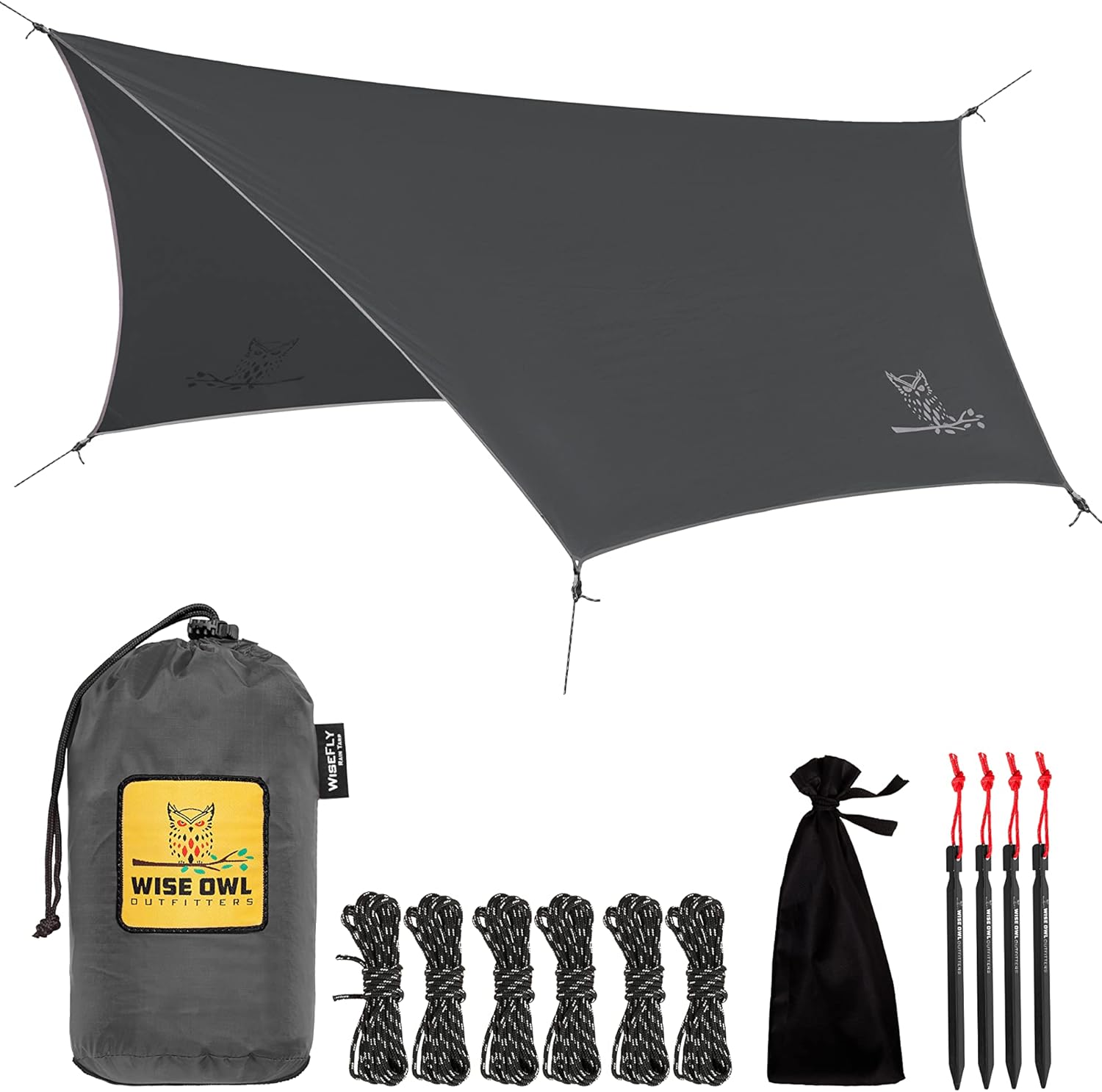
| Shelter | Zpacks Duplex Zip (Recycled DCF) | 575g | Recycled PET content in laminate | Weight-conscious trekkers |
| Rain Shell | Patagonia Stormshadow | 280g | 100% Recycled GORE-TEX ePE | High-alpine protection |
| Quilt | Enlightened Equipment Revelation | 540g | Recycled 10D nylon & RDS Down | Versatile 3-season use |
| Mid-layer | Houdini Mono Air Hoodie | 350g | Circular, anti-shedding fabric | Cold Norwegian nights |
| Stove | Vargo Bot-700 (Titanium) | 138g | Infinite lifespan, no plastic | Minimalist cooking |
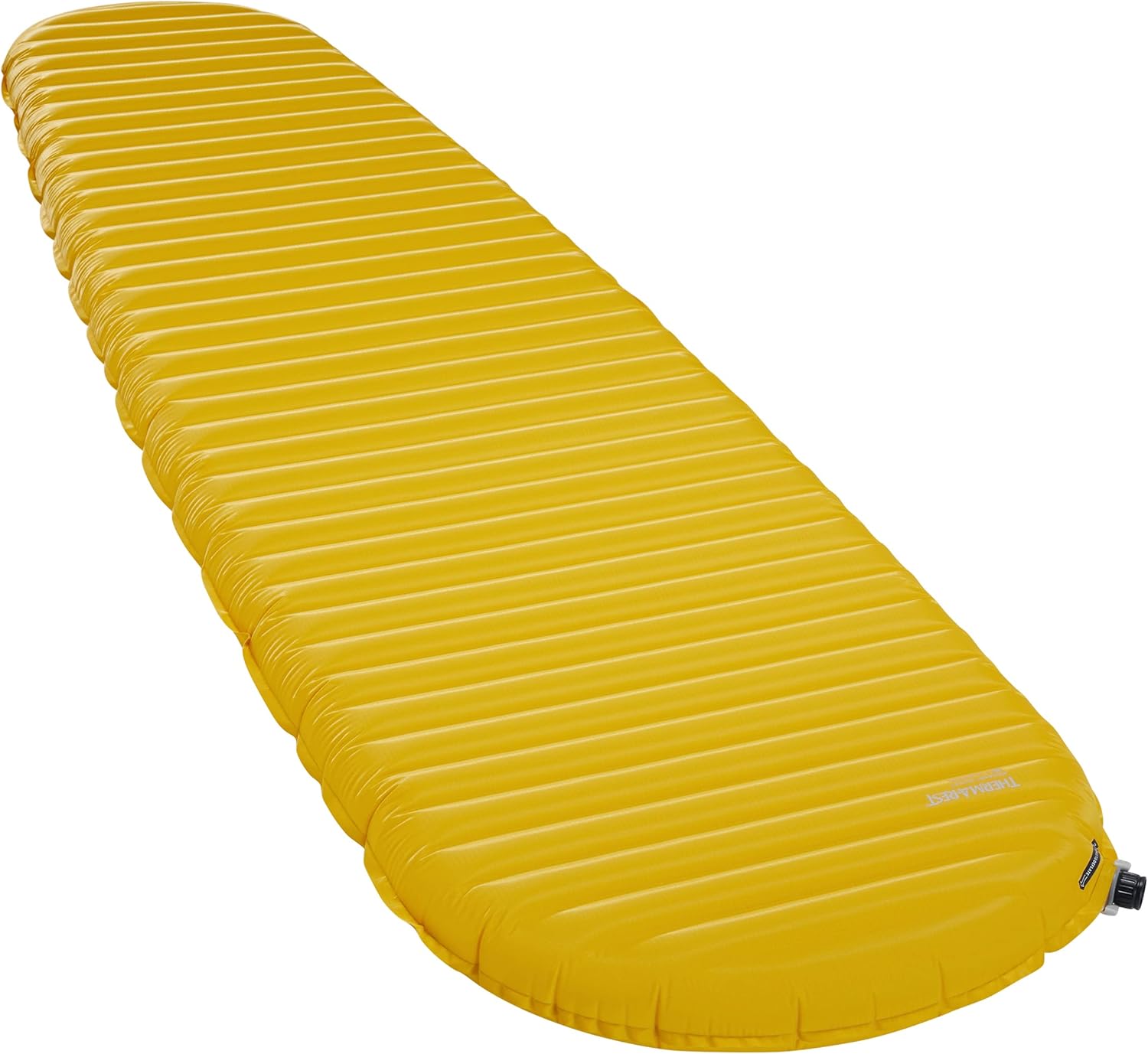
| Sleep Pad | Therm-a-Rest NeoAir XLite NXT | 354g | Improved durability/longevity | Comfort & warmth |
| Shoes | Altra Lone Peak 9 (Eco-Edition) | 600g (pair) | Recycled midsole foam | Trail running/Hiking |
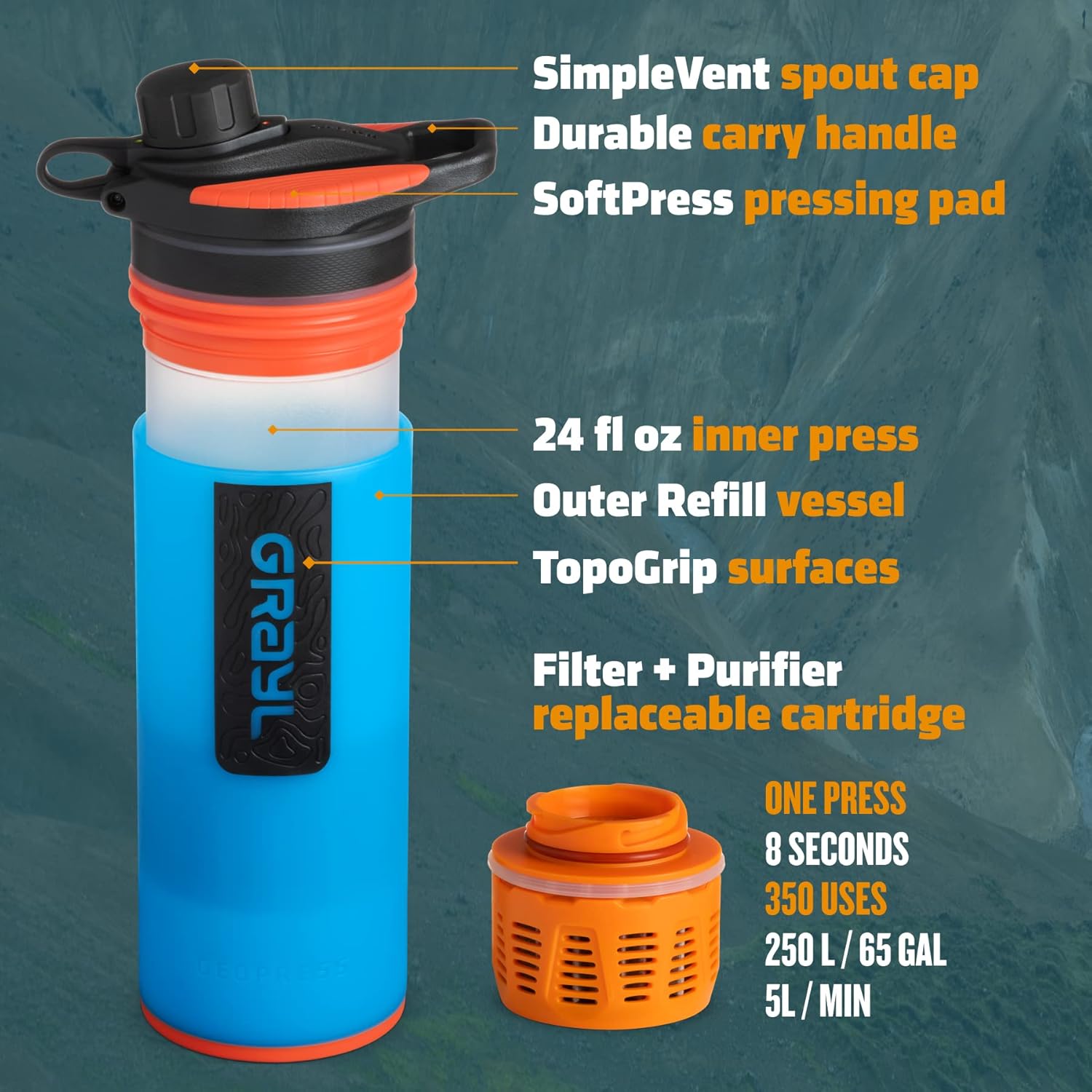
| Water Filter | Sawyer Squeeze | 85g | Long-term reuse (1 million gallons) | Clean water anywhere |
| Base Layer | Icebreaker 150 ZoneKnit | 140g | ZQRX-certified Merino wool | Odor control/Natural fiber |
1. Durston Kakwa 55: Dan Durston has revolutionized the market by adopting Bio-Dyneema. This pack is incredibly stable and carries weight better than almost any other UL pack I’ve used in the Jotunheimen rocks. Pros: Insane strength-to-weight ratio. Cons: Often out of stock due to high demand.
2. Patagonia Stormshadow: This is the lightweight waterproof jacket we’ve been waiting for. It uses the new ePE membrane which is completely free of fluorinated chemicals. Field Note: It breathes better than old-school Gore-Tex, which is vital when you’re sweating up a steep Norwegian incline.
My Personal Setup / Favorite Combo
my setup is a mix of high-tech sustainability and well-worn favorites. My current favorite combo for 2026 is the Durston Kakwa 55 paired with a Zpacks Duplex Zip. This combination keeps my base weight under 5kg, which is crucial when I have to carry extra food for long stretches between DNT cabins.
For clothing, I swear by the ‘layering for longevity’ approach. I use a 10-year-old Patagonia R1 fleece (repaired three times) as my mid-layer and the new lightweight waterproof jacket from Houdini. Living in Norway, you learn that ‘waterproof’ is a relative term. I prioritize gear that dries quickly and retains warmth when wet. My personal ‘secret weapon’ is a DIY DCF (Dyneema Composite Fabric) groundsheet I made from scraps—it’s lighter than any commercial version and keeps my tent floor pristine, extending its life by years. This setup embodies the sustainable ultralight gear 2026 ethos: high performance, minimal waste.
Budget Alternatives and DIY Tips
You don’t need a 2000-Euro budget to be a sustainable ultralight hiker. In fact, the most sustainable gear is the gear you already own. Here are some budget-friendly tips:
- The ‘Buy Used’ Rule: Check platforms like Finn.no (in Norway) or eBay. High-end UL gear is often sold by people who tried it once and decided it wasn’t for them.
- MYOG (Make Your Own Gear): You can sew your own apex-insulated quilt using recycled fabrics from suppliers like Ripstop by the Roll. It’s cheaper and more rewarding.
- Re-Waterproofing: Before you buy a new rain jacket, try washing yours with Nikwax or Grangers. Often, the ‘failure’ is just a dirty fabric or a dead DWR coating.
- Polycryo Groundsheets: Instead of an expensive branded footprint, use window insulation film (Polycryo). It’s incredibly light, cheap, and protects your expensive tent.
Common Mistakes to Avoid
In my years of trekking, I’ve made every mistake in the book. Here’s what to avoid when building your 2026 kit:
- Buying ‘Ultralight’ but Fragile: Don’t buy a 7D nylon jacket if you plan on bushwhacking. You’ll rip it on the first day, and that’s not sustainable. Match the fabric denier to your environment.
- Ignoring Maintenance: Not cleaning your sleeping pad or down quilt leads to body oils breaking down the materials. A little soap goes a long way in gear longevity.
- The ‘New Shiny Thing’ Syndrome: Just because a 2026 model is 10 grams lighter doesn’t mean you should replace your perfectly functional 2024 gear.
- Over-packing ‘Just in Case’ Items: This is the enemy of ultralight. Stick to your list. If you didn’t use it on your last three trips, you probably don’t need it.
Packing and Usage Tips for Multi-Day Cold Treks
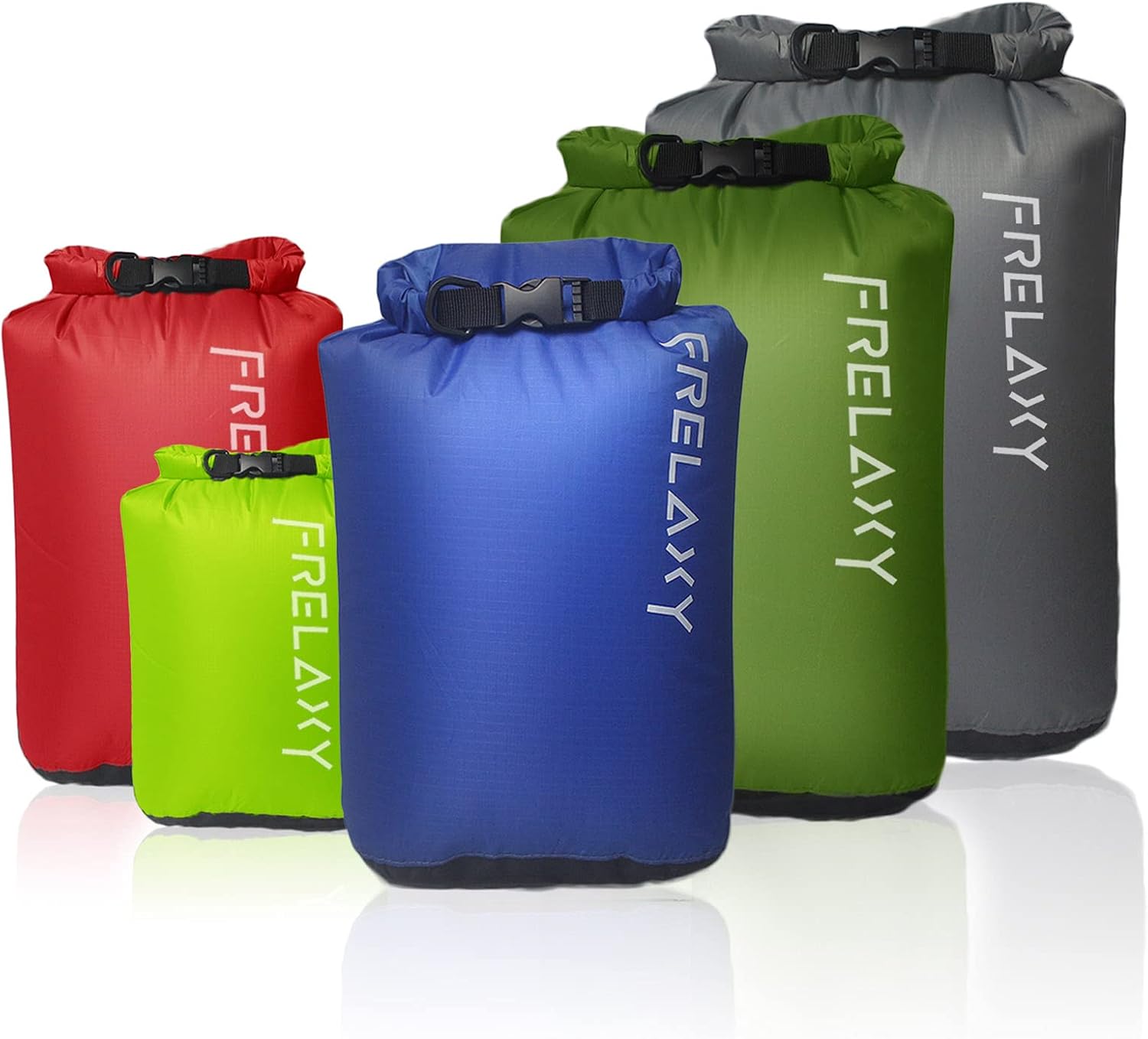
If you’re tackling a late-season trek in the Scandinavian mountains, your sustainable ultralight gear 2026 needs to be used intelligently. First, keep your sleep system dry at all costs. I use a recycled dry bag for my quilt. Second, utilize your ‘active insulation.’ Instead of a heavy parka, use a combination of a base layer, a fleece, and your rain shell. This versatility is key to staying comfortable in the variable 5°C to 15°C range common in Norway.
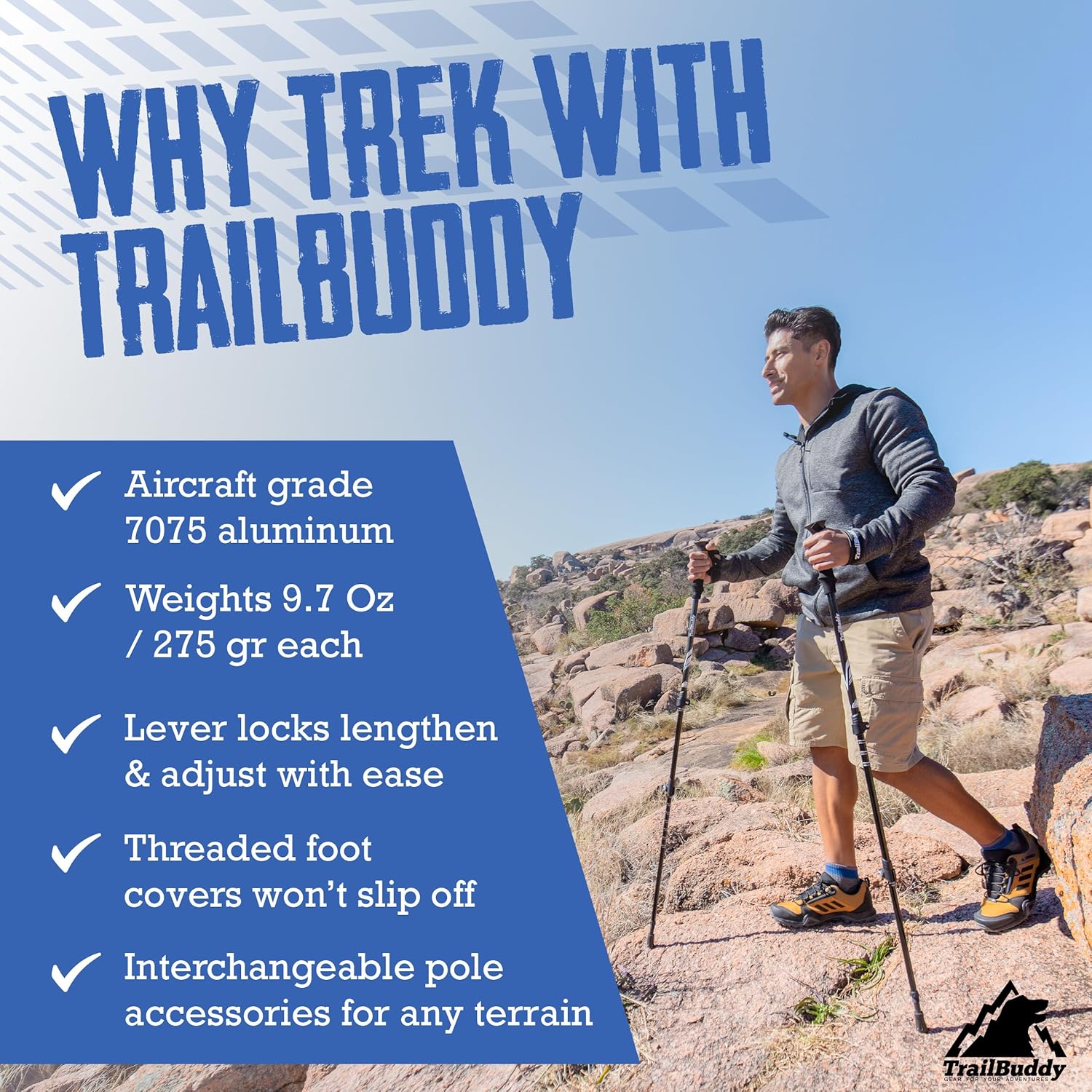
When packing, place your heaviest items (food, water) close to your back and mid-height in the pack. This improves your center of gravity on technical terrain. And remember, in the spirit of ‘gear less, hike more,’ use your trekking poles as tent poles if your shelter allows it—this is a classic UL move that saves significant weight and reduces the amount of aluminum you need to buy.
Conclusion
Transitioning to sustainable ultralight gear 2026 is more than a trend; it’s a necessary evolution for the outdoor community. By choosing gear made from recycled and bio-based materials, prioritizing repairability, and embracing a minimalist mindset, we can significantly reduce our impact on the environments we cherish. Whether you’re aiming for a base weight under 5kg for a thru-hike of the PCT or just looking to make your weekend trips in the Norwegian fells more enjoyable, the best ultralight gear 2026 offers solutions that are lighter, stronger, and greener than ever before.
Remember, the most sustainable piece of gear is the one that stays out of the landfill. Take care of your kit, fix what breaks, and only buy what you truly need. What does your sustainable setup look like this year? Have you tried any of the new bio-based fabrics? Share your thoughts and gear lists in the comments below! If you’re looking for more tips, check out our cold layering guide or our updated backpack list for more inspiration.
Frequently Asked Questions
Is sustainable gear heavier than traditional ultralight gear?
In 2026, no. Advances in Bio-Dyneema and recycled polymers mean that eco-friendly gear often matches or beats the weight of traditional petroleum-based gear.
How do I wash a PFC-free rain jacket?
Use a technical wash (like Nikwax Tech Wash) on a gentle cycle and tumble dry on medium heat (if the care label allows) to reactivate the DWR coating.
What is Bio-Dyneema?
It is the same ultra-strong fiber used in high-end packs but sourced from wood pulp waste from the paper industry, reducing the carbon footprint by up to 90% compared to conventional Dyneema.
Can I really get my base weight under 5kg with sustainable gear?
Absolutely. By selecting a minimalist shelter, a high-quality quilt, and a frameless or lightweight framed pack made from recycled materials, a sub-5kg base weight is easily achievable.
Are recycled fabrics as durable?
Yes. Modern recycling processes for nylon and polyester create fibers that are chemically identical to virgin fibers, ensuring the same tensile strength and abrasion resistance.
