
There is a specific kind of silence that only exists far from the hum of electricity and the rigid geometry of urban life. It is the silence of the wilderness, a resonant quiet that speaks directly to the most ancient parts of the human psyche. We do not simply visit the outdoors; we return to it. This urge to step beyond the threshold of our front doors is more than a hobby—it is a philosophical necessity, an expression of the fundamental human desire to be unconfined and truly free.

At our core, we are curious creatures. Evolutionarily, our ancestors survived by mapping the unknown, by following the horizon to see what lay beyond the next ridge. That ancestral curiosity remains hardwired into our DNA. When we hike a trail or sleep under a canopy of stars, we are satisfying a primal thirst for discovery. The outdoors offers a landscape where the variables are not controlled by algorithms or city planners, but by the raw, unpredictable forces of nature. This unpredictability is exactly what makes us feel alive; it demands our presence, our skill, and our focus.
To live outdoors, even temporarily, is to practice the art of being human in its purest form. It strips away the superficial layers of modern status and leaves only the essential: breath, movement, and connection. In the wild, freedom is not an abstract political concept, but a physical reality. It is the ability to move through space without walls, to wake with the sun, and to rediscover the scale of our own existence against the backdrop of the infinite sky. We seek the outdoors because it is the only place where the soul can truly stretch its limbs and remember its own wild origin.
The Body Remembers What the Mind Forgets
Modern life is largely lived from the neck up. Screens dominate our attention, chairs cradle our bodies into passivity, and climate-controlled rooms dull our awareness of temperature, wind, and weather. Outdoors, the body is invited back into the conversation. Muscles work with purpose, lungs draw deeper breaths, and the senses sharpen. We notice the texture of rock under our hands, the subtle shift of light through the day, the smell of rain before it falls.
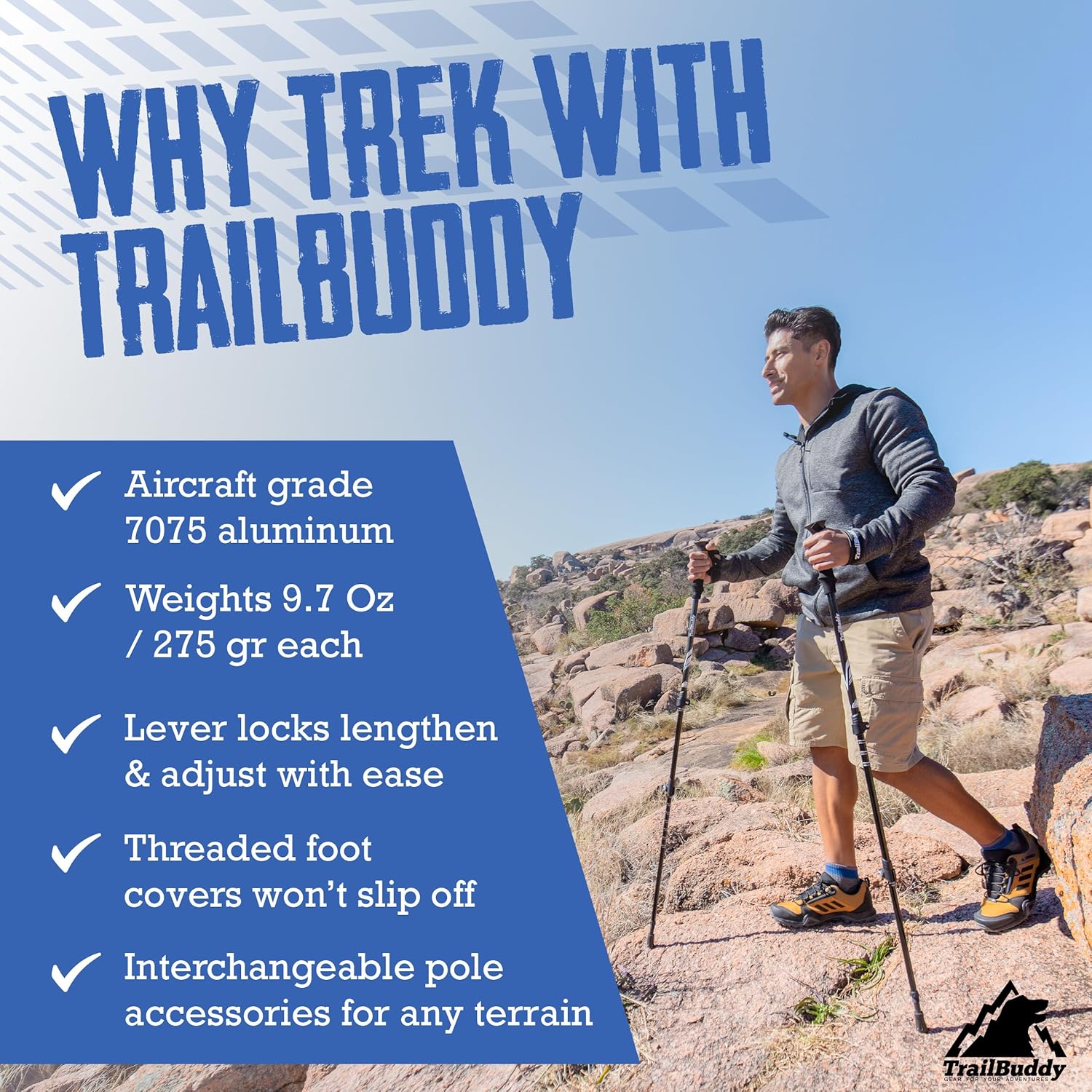
This embodied experience is not accidental—it is restorative. Physical effort in natural environments has a way of untangling mental knots. Problems that feel enormous indoors often shrink when measured against a mountain range or an open sea. The body’s honest feedback—fatigue, hunger, warmth, cold—anchors us in reality. In this way, outdoor life becomes a form of recalibration, reminding us that we are not machines designed for constant output, but organisms shaped by rhythm, rest, and exertion.
Risk, Responsibility, and Real Consequences
One reason the outdoors feels so vivid is that it reintroduces consequence. In cities, many risks are abstracted away. We are protected by systems, services, and safety nets that function invisibly in the background. In nature, responsibility returns to the individual. A poor decision can mean discomfort, failure, or genuine danger. This is not a flaw of outdoor life—it is its teacher.
Risk sharpens judgment. It asks us to prepare, to respect limits, and to pay attention. When we navigate a river crossing or read the weather before a long hike, we engage in a dialogue with the environment. We are neither masters nor victims of nature; we are participants. This balance fosters humility and competence at the same time. We learn that freedom is not the absence of rules, but the presence of meaningful choices.
Solitude and the Rediscovery of Self
Another powerful draw of the outdoors is solitude. Not loneliness, but chosen aloneness—the kind that allows thoughts to surface without interruption. Away from constant notifications and social performance, we are left with ourselves. This can be uncomfortable at first. Silence amplifies internal noise. But if we stay with it, something shifts.
In solitude, identity loosens. We are no longer defined by job titles, productivity metrics, or social roles. We become simply a person moving through a landscape. This spaciousness allows reflection that is increasingly rare in modern life. Many people report that their most important insights, decisions, or creative ideas emerge not in meetings or brainstorming sessions, but while walking alone in nature. The outdoors provides not answers, but the conditions in which honest questions can be asked.
Community Around the Fire
Paradoxically, the outdoors also strengthens community. Shared hardship and shared beauty bond people quickly. A group that has weathered a storm together or cooked a simple meal over a fire forms a different kind of connection than one built solely around conversation. These relationships are grounded in cooperation and mutual dependence.
Around a campfire, hierarchy softens. Stories replace status. There is something ancient and leveling about sitting together in the dark, faces lit by flame. It echoes a time when human survival depended on small groups working in harmony with their surroundings. Even brief outdoor experiences can awaken this sense of belonging, reminding us that we are social animals shaped by collaboration as much as independence.
Nature as Mirror, Not Escape
It is tempting to frame the outdoors as an escape from reality, but this misses the point. Nature does not distract us from life; it reflects it back to us with clarity. The changing seasons mirror our own cycles of growth, decay, and renewal. A long climb teaches patience. A sudden storm teaches adaptability. A quiet morning teaches presence.
In this sense, going outdoors is not about leaving civilization behind, but about returning with something essential. We come back with steadier nerves, clearer priorities, and a recalibrated sense of scale. The emails will still be there. The obligations will return. But we face them differently, having touched something larger and older than our daily concerns.
Remembering Our Place
Ultimately, we go outdoors to remember who we are and where we belong. Not above nature, not separate from it, but within it. The modern world often encourages the illusion that we are detached observers of the planet, insulated from its limits. Time spent outdoors dissolves that illusion gently but firmly.
Standing under a night sky unpolluted by city lights, it becomes impossible to maintain a sense of centrality. We are small, yes—but also connected. Part of an ongoing story that began long before us and will continue long after. This realization is not diminishing; it is freeing. It relieves us of the burden of false importance and replaces it with responsibility and care.
The wilderness does not promise comfort, certainty, or ease. What it offers instead is something far more valuable: perspective. In answering the call of the outdoors, we are not chasing novelty or nostalgia. We are responding to a deep, enduring need to feel real, grounded, and free. And in that response, we find not an escape from life, but a fuller way to live it.