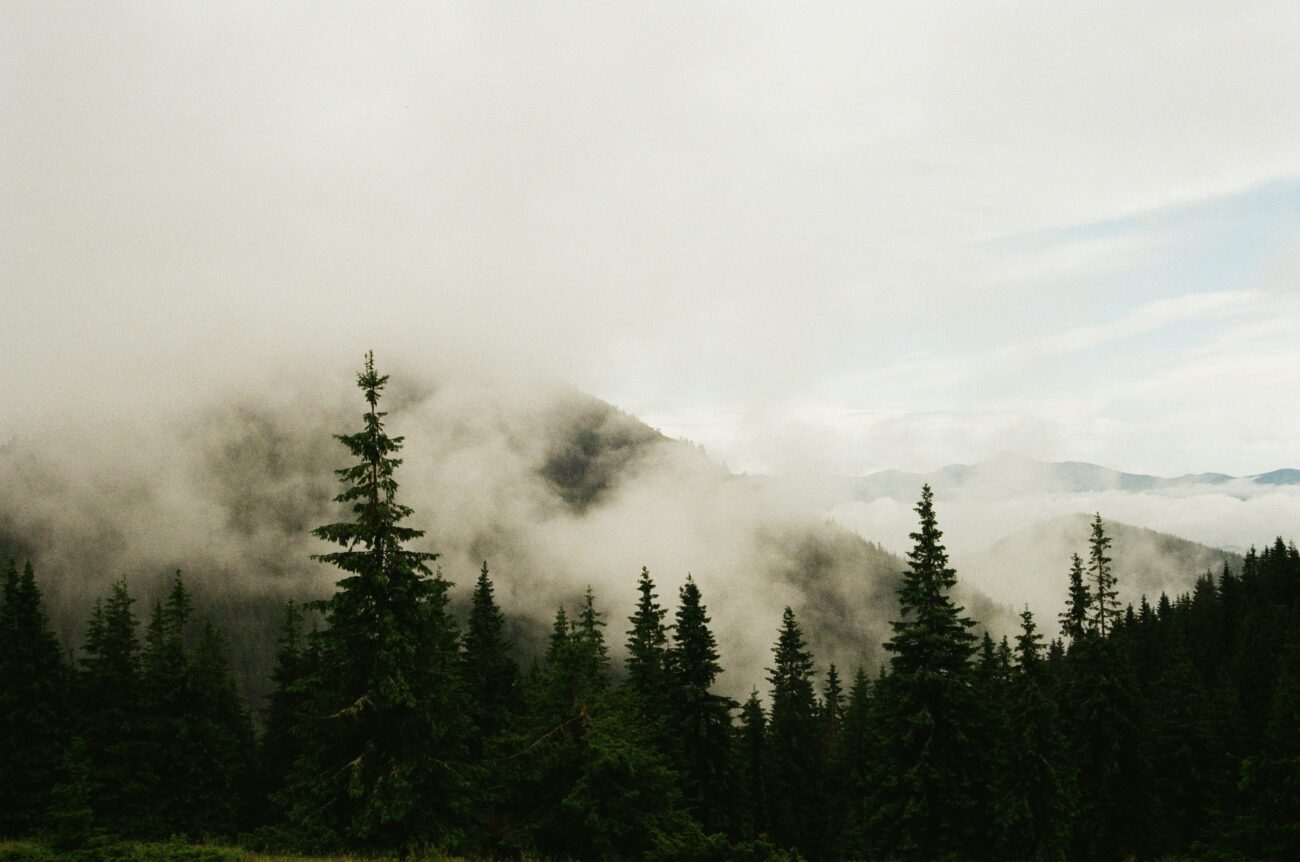
There is a specific, hauntingly beautiful silence that only exists above the tree line. It is a place where the air grows thin and the world below dissolves into a tapestry of greens and blues, leaving you alone with the rhythmic thrum of your own heart and the crunch of granite beneath your boots. For those who feel the magnetic pull of the peaks, the mountain is not just a destination; it is a sanctuary. But to truly commune with these giants, to move with the grace of the wind and the agility of the mountain goat, one must shed the heavy skin of traditional trekking. This is the world of ultralight hiking—a discipline that is as much a philosophy of existence as it is a method of travel.
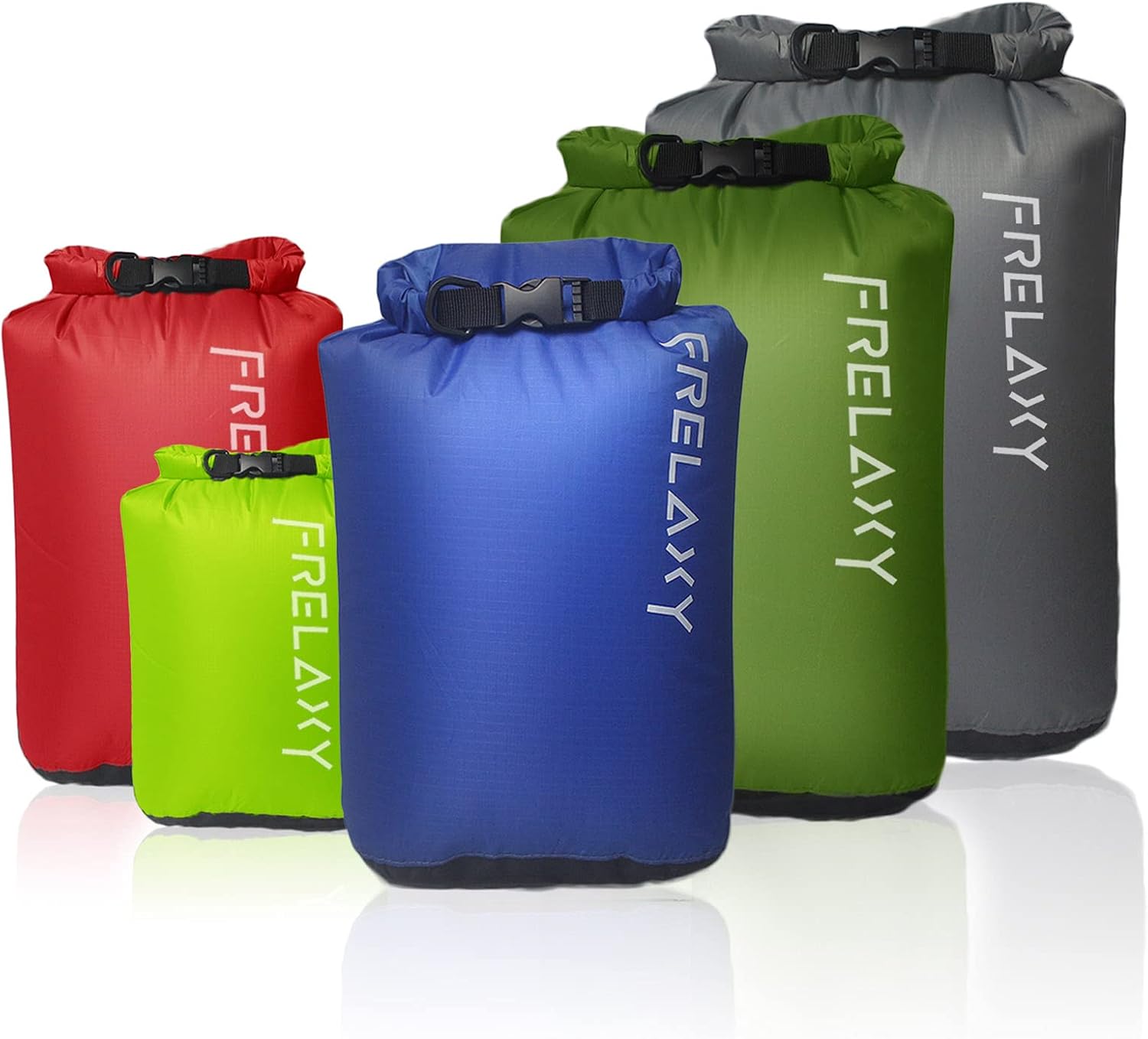
Ultralight hiking in the mountains is a delicate dance between necessity and minimalism. It is the art of carrying exactly what you need to survive and thrive, and not a single gram more. When you strip away the extraneous, the barrier between you and the wilderness vanishes. You are no longer a beast of burden, struggling under a sixty-pound pack that anchors you to the earth; you become a part of the landscape itself. Every ounce saved is a burst of energy reclaimed, allowing you to push further, climb higher, and witness the sunrise from summits that others only dream of reaching.
The Philosophy of the Lightened Load
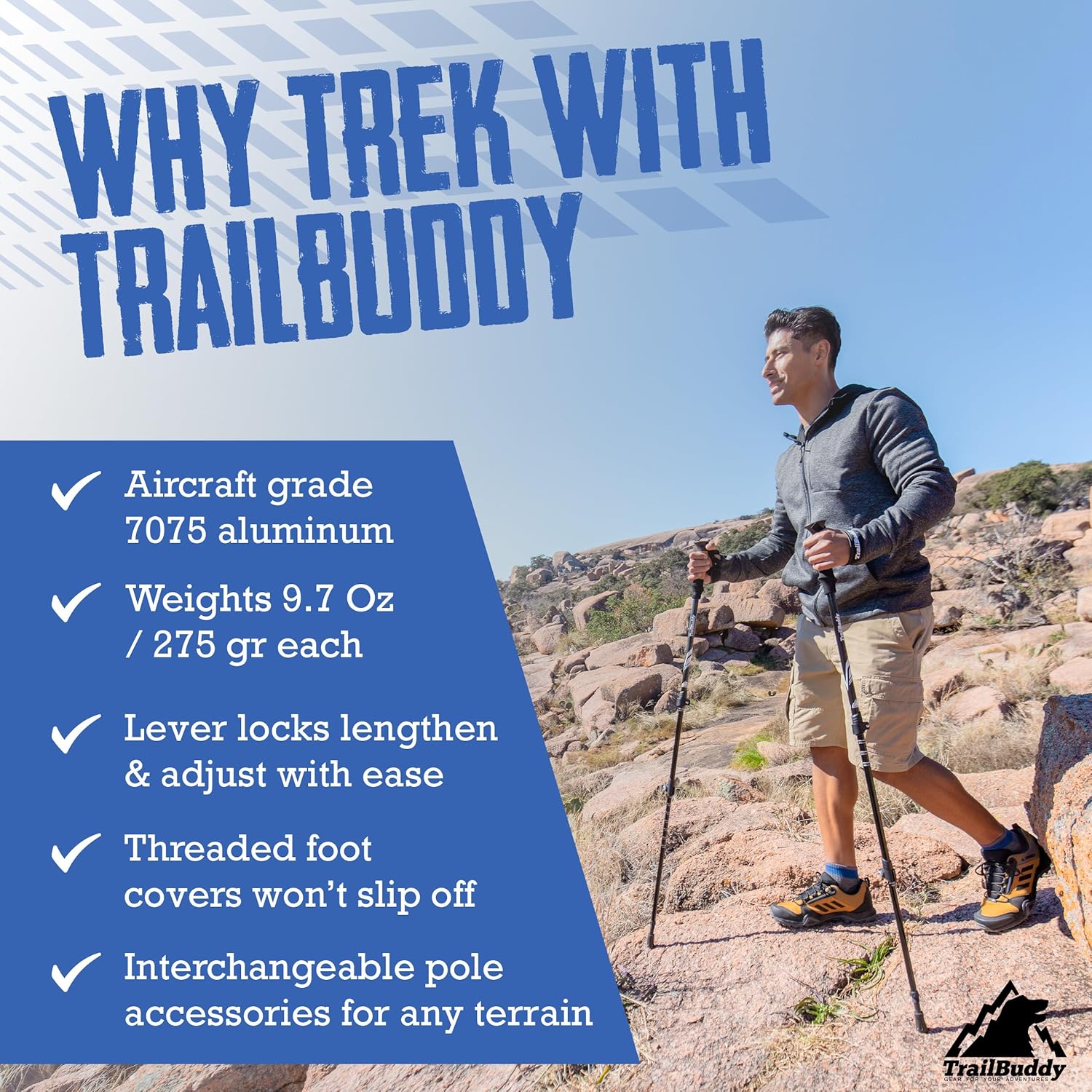
To embark on an ultralight journey is to undergo a psychological transformation. It begins with a ruthless interrogation of your gear. We are conditioned by a culture of ‘just in case,’ packing extra layers, heavy tools, and redundant supplies that often never leave the bottom of the bag. In the high alpine, ‘just in case’ weighs you down, slows your pace, and increases the risk of injury. The ultralight hiker views gear as a multi-functional toolkit. A trekking pole isn’t just for stability; it is the central pillar of a shelter. A titanium mug is a cooking pot, a bowl, and a coffee cup rolled into one. This mindset shifts the focus from the equipment to the experience, prioritizing the fluidity of movement over the comfort of camp.
Passion for the mountains demands a respect for the physics of the climb. Every vertical foot gained requires energy, and the heavier the pack, the more calories burned and the more strain placed on the joints. By reducing your base weight—the weight of your gear excluding consumables like food and water—to under ten pounds, you unlock a level of endurance that feels almost supernatural. You find yourself skipping over talus fields where you once trudged, and arriving at camp with the vitality to enjoy the stars rather than collapsing into a dreamless stupor.
The Holy Trinity: Shelter, Sleep, and Pack
The foundation of any ultralight kit rests upon the ‘Big Three.’ These are the heaviest items in any hiker’s inventory, and they offer the greatest opportunity for weight savings. For the mountain enthusiast, these choices are critical, as they must withstand the unpredictable fury of alpine weather while remaining feather-light.
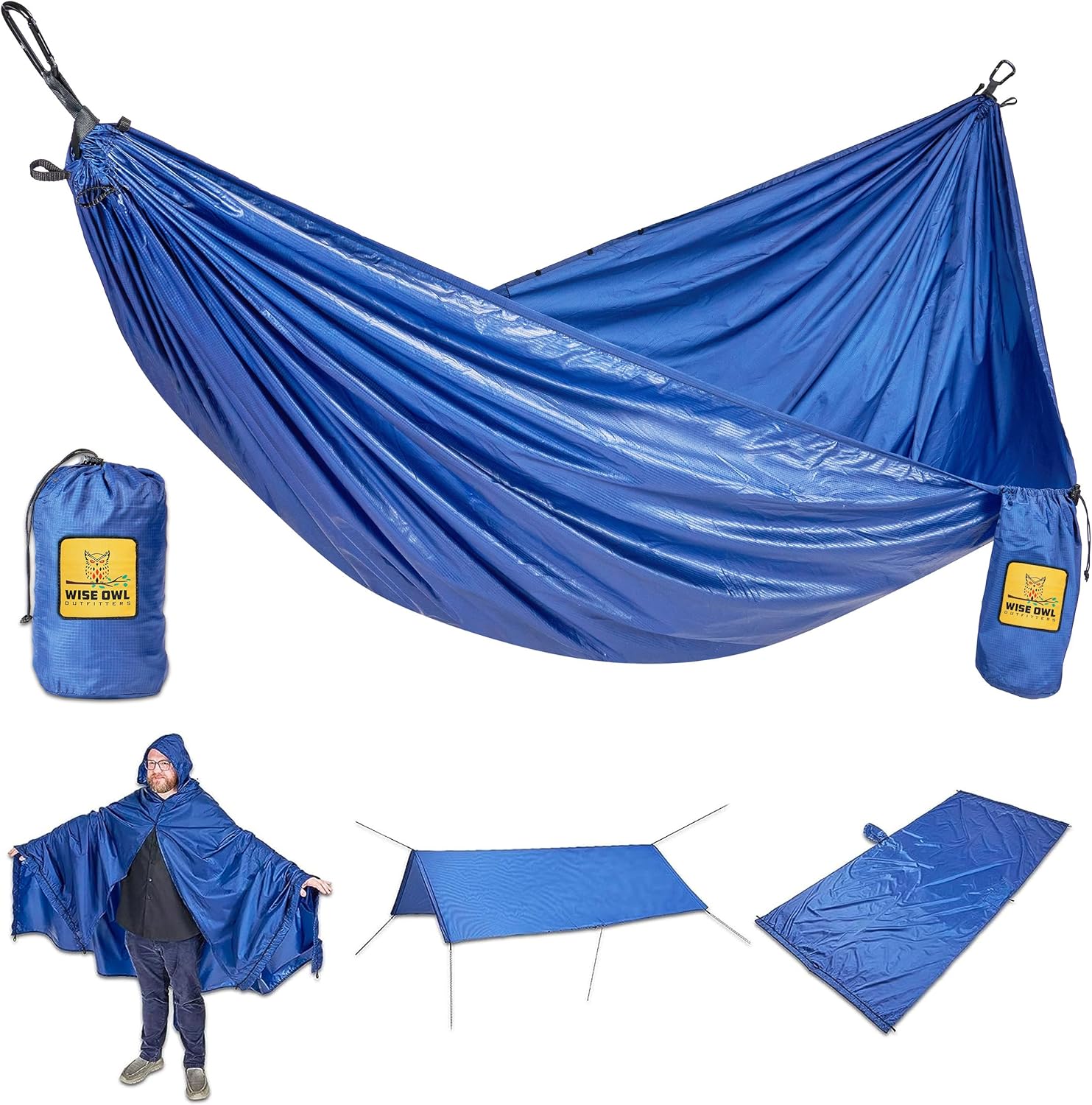
Shelters that Defy the Elements
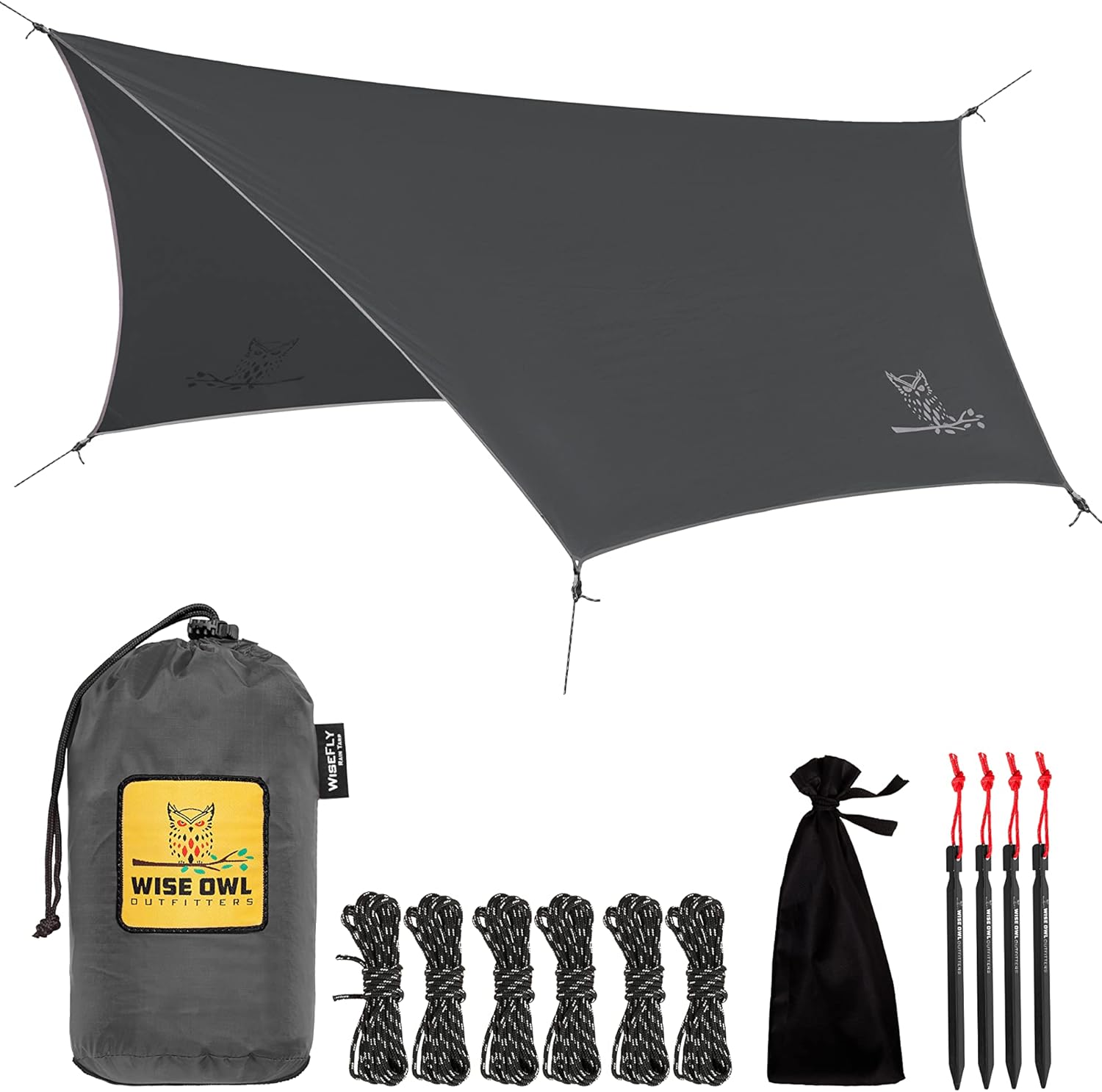
In the mountains, your shelter is your fortress. Traditional double-wall tents are sturdy but heavy. The ultralight alternative is often a single-wall shelter made from Dyneema Composite Fabric (DCF). This material, formerly known as Cuben Fiber, is essentially magic. It is waterproof, stronger than steel by weight, and does not stretch when wet. A DCF pyramid tarp can withstand howling ridge winds and heavy snow loads while weighing less than a loaf of bread. The beauty of a tarp or a minimalist tent lies in its connection to the environment; you can hear the whisper of the pines and feel the cooling of the earth as night falls, all while being protected from the elements.
The Sleep System: A Cocoon of Recovery
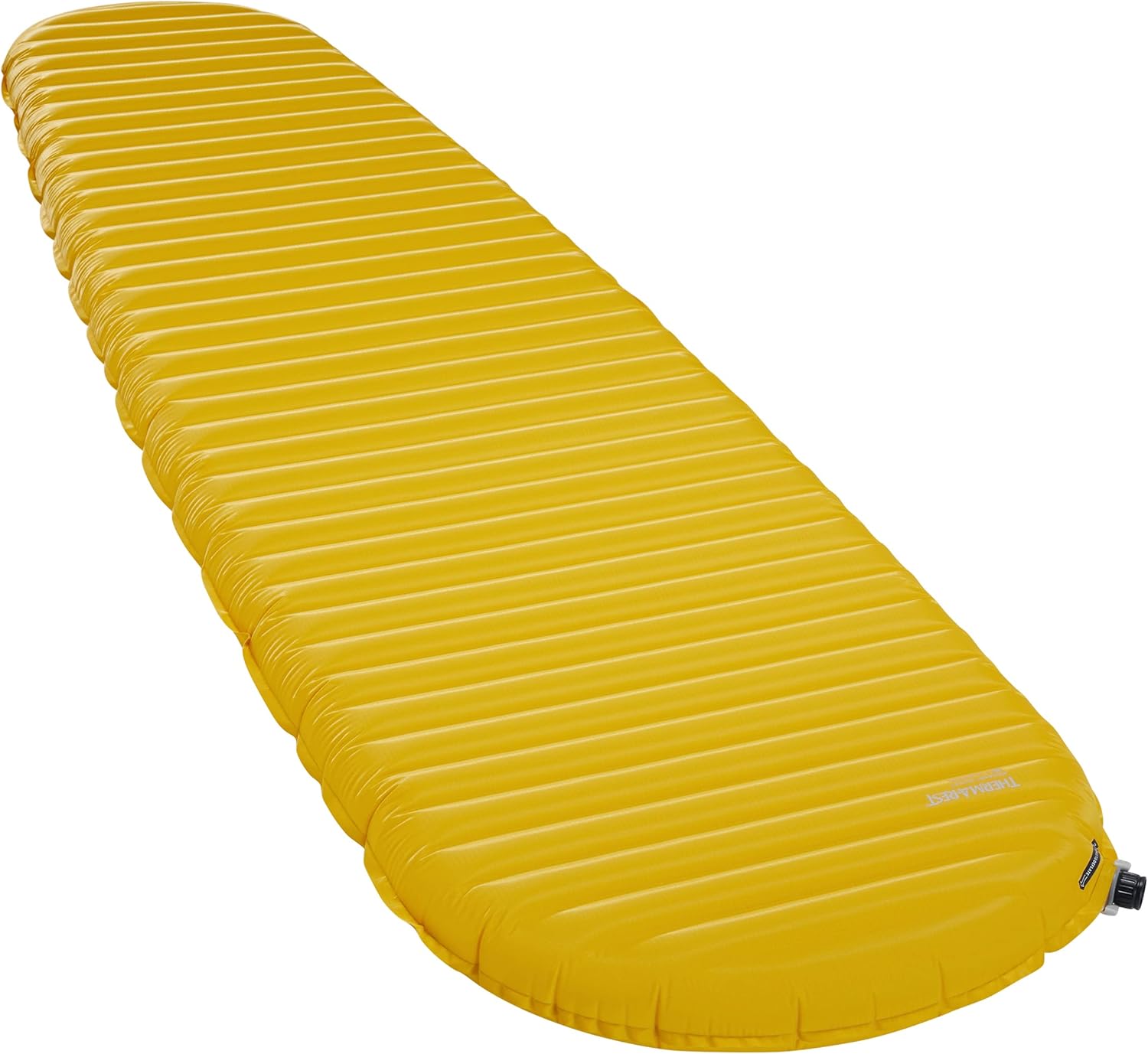
When the temperature drops at 10,000 feet, your sleep system is what keeps hypothermia at bay. The modern ultralight hiker has largely moved away from traditional mummy bags in favor of quilts. By removing the hood and the insulation that would normally be compressed underneath your body (where it provides no warmth anyway), a quilt offers an incredible warmth-to-weight ratio. Pair this with a high-R-value inflatable sleeping pad. In the mountains, the ground is a heat sink; you need that reflective layer to bounce your body heat back to you. This combination ensures that even on a frozen ledge, you wake up refreshed and ready for the technical challenges ahead.
The Pack: The Vessel of Freedom
Once your gear is miniaturized, you no longer need a massive, internal-frame pack. A frameless pack made of Robic nylon or DCF becomes your best friend. These packs are designed to sit close to the body, moving with your torso as you scramble over boulders. They lack the heavy padding and complex suspension systems of traditional packs because, quite simply, they don’t need them. When your total pack weight is twenty pounds including food, a simple foam pad against your back is all the structure you require.
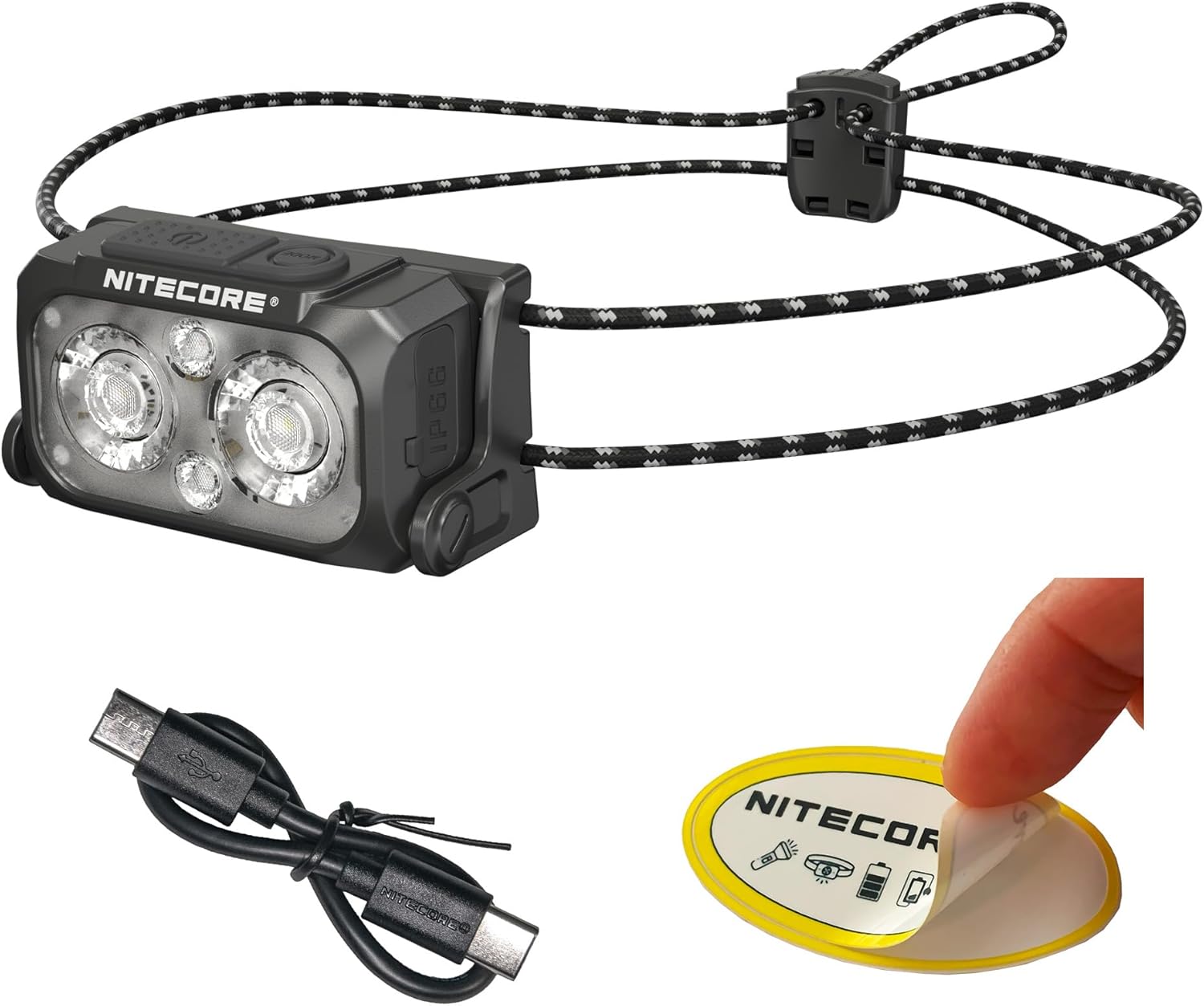
When the Trail Turns Vertical: Essential Climbing Gear
Ultralight hiking in the mountains often blurs the line between trekking and mountaineering. If your route involves Class 3 or 4 scrambles, or crossing technical glaciers, your gear list must expand to include climbing hardware. The challenge here is maintaining the ultralight ethos while ensuring absolute safety. You cannot compromise on gear that is designed to catch a fall, but you can choose the most advanced, lightweight options available.
For technical ascents, a minimalist harness is essential. Look for designs that use high-strength webbing without bulky padding, often weighing less than 100 grams. These can be put on without taking your feet off the ground—a crucial feature when wearing crampons. Speaking of crampons, for non-technical snow travel, aluminum crampons provide the bite you need on frozen slopes at a fraction of the weight of steel. However, if you are tackling vertical ice or rock-hard blue ice, steel remains the only safe choice. It is about choosing the right tool for the specific terrain.
Hardware and Protection
Carabiners have seen a revolution in weight reduction. Small, wire-gate carabiners are now incredibly strong and weigh next to nothing. If your route requires a rope, consider a ‘half rope’ or a specialized ‘triple-rated’ thin rope if you are moving as a fast-and-light team. For protection, a small selection of nuts and perhaps a few lightweight cams can secure a sketchy section of a ridge. Always remember: in the ultralight world, your most important piece of climbing gear is your brain. Your ability to read the rock and move confidently reduces the need for heavy protection.
Tips and Tricks for the High-Altitude Minimalist
Success in the mountains is often found in the small details. One of the most effective tricks is the use of multi-purpose items. Your extra clothing doesn’t just sit in the pack; it becomes your pillow. Your cook pot serves as your mug. Another vital tip is ‘cold soaking.’ For those looking to save the weight of a stove and fuel, dehydrating meals and rehydrating them in a leak-proof container over several hours allows you to eat well without the bulk of a kitchen. While a hot meal is a psychological boost, in the height of summer, the simplicity of cold soaking is hard to beat.
Managing moisture is another critical skill. In the mountains, a wet hiker is a cold hiker. Use a ‘vapor barrier’ approach or focus on high-quality synthetic insulation for active layers, and save your high-loft down for camp. Additionally, ditch the heavy leather boots. Trail runners have become the gold standard for ultralight hikers. They dry faster, prevent blisters by allowing the foot to move naturally, and—most importantly—save an immense amount of energy. There is an old mountaineering adage: ‘a pound on your feet is like five on your back.’ Switching to light footwear is the single fastest way to increase your mountain mileage.
Navigating the Perils of the High Peaks
While the ultralight approach offers freedom, it also demands a higher level of competence. With less gear, your margin for error is slimmer. You must be hyper-aware of the weather. In the mountains, a clear blue morning can transform into a lightning-filled nightmare in thirty minutes. Because you aren’t carrying a four-season, double-wall tent, you must be prepared to descend or find natural shelter if a storm turns violent. Knowledge of topography and meteorology is your primary safety net.
Navigation is equally paramount. While GPS apps on smartphones are incredible, batteries die and electronics fail in the cold. Always carry a paper map and a compass, and more importantly, know how to use them. The mountains are a labyrinth of ridges and couloirs; a single wrong turn can lead you into technical terrain far beyond your ability. Furthermore, always carry a small emergency kit: a whistle, a tiny fire starter, and a lightweight emergency bivy. These items weigh ounces but can be the difference between a cold night and a tragedy.
Sustenance and Hydration
Fueling your body in the high alpine is a logistical challenge. You need high-calorie density—foods that offer the most energy for their weight. Think nuts, seeds, olive oil added to every meal, and nut butters. Your body burns through glycogen stores rapidly during steep climbs, so consistent snacking is better than large, heavy meals. For water, don’t carry liters of it if the terrain allows for frequent refills. A hollow-fiber filter that screws onto a collapsible bottle allows you to drink from glacial streams and keep your pack light. However, always research your route; if you are traversing a dry ridge for ten miles, you must carry the weight of the water necessary to survive.
The equipment you choose should feel like an extension of your body. When you reach that flow state, where the pack disappears and your breathing syncs with your stride, you realize that ultralight hiking isn’t about deprivation. It is about liberation. It is about the visceral thrill of standing on a summit, looking out at a sea of peaks, and knowing that you got there through your own strength and a carefully curated collection of gear that respects the majesty of the range. You are not conquering the mountain; you are participating in its ancient, rocky life.
As the sun begins its slow descent, casting long, purple shadows across the cirque, the true value of the lightened load becomes clear. It is found in the ability to linger a little longer at the overlook, to take the unplanned side-trail to a hidden tarn, and to feel the vibrant energy of the wilderness coursing through your veins rather than the dull ache of exhaustion. The mountains demand much from us—our breath, our sweat, and our unwavering attention—but in return, they offer a clarity of soul that can be found nowhere else. By choosing the path of the minimalist, you ensure that your focus remains where it belongs: on the jagged horizon, the golden light on the peaks, and the infinite possibility of the trail that lies ahead, stretching out like a ribbon of promise toward the sky.
