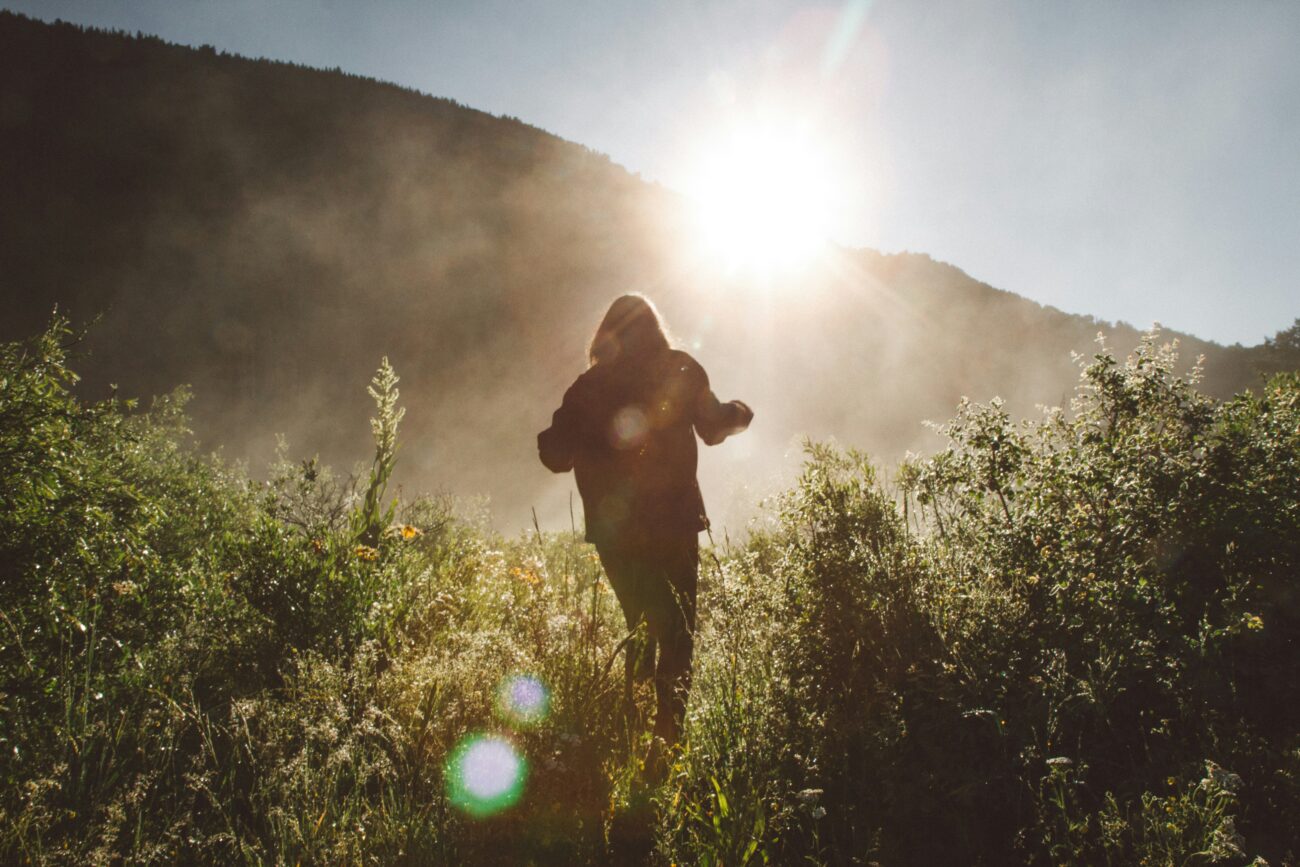
Embarking on a multi-day wilderness journey requires a delicate dance between two competing philosophies: the desire for comfort and the necessity of mobility. When you are planning a trip that spans four nights or more, the weight on your back becomes a compounding factor. Every extra ounce is a tax paid over tens of thousands of steps. However, the pursuit of a light pack must never come at the expense of safety. Navigating this balance is an art form, one that transforms the grueling slog of a heavy load into a graceful movement through the natural world. This guide delves into the specifics of selecting gear that minimizes weight while maximizing your resilience in the backcountry.
The Foundation: Refining the Big Three
In the world of ultralight backpacking, the ‘Big Three’ refers to your shelter, your sleep system, and your backpack itself. These are typically the heaviest items in your kit, and therefore offer the greatest opportunity for weight savings. For a trip of four nights or more, you need gear that is durable enough to withstand repeated setup and potential weather shifts without weighing you down like an anchor.
The Backpack: Your Mobile Home
When selecting a pack for a five-day trek, look for a capacity between 45 and 60 liters. The key is to choose a pack that fits your gear, not one that encourages you to bring more. Modern ultralight packs often utilize technical fabrics like Robic nylon or Dyneema Composite Fabric (DCF). While frameless packs are the hallmark of the ultralight elite, for a trip of this duration—where food weight is significant—a pack with a lightweight internal frame or a peripheral aluminum stay is often the smarter choice. This allows the weight to be transferred to your hips, protecting your shoulders from fatigue over the long haul.
Shelter: Protection Without the Bulk
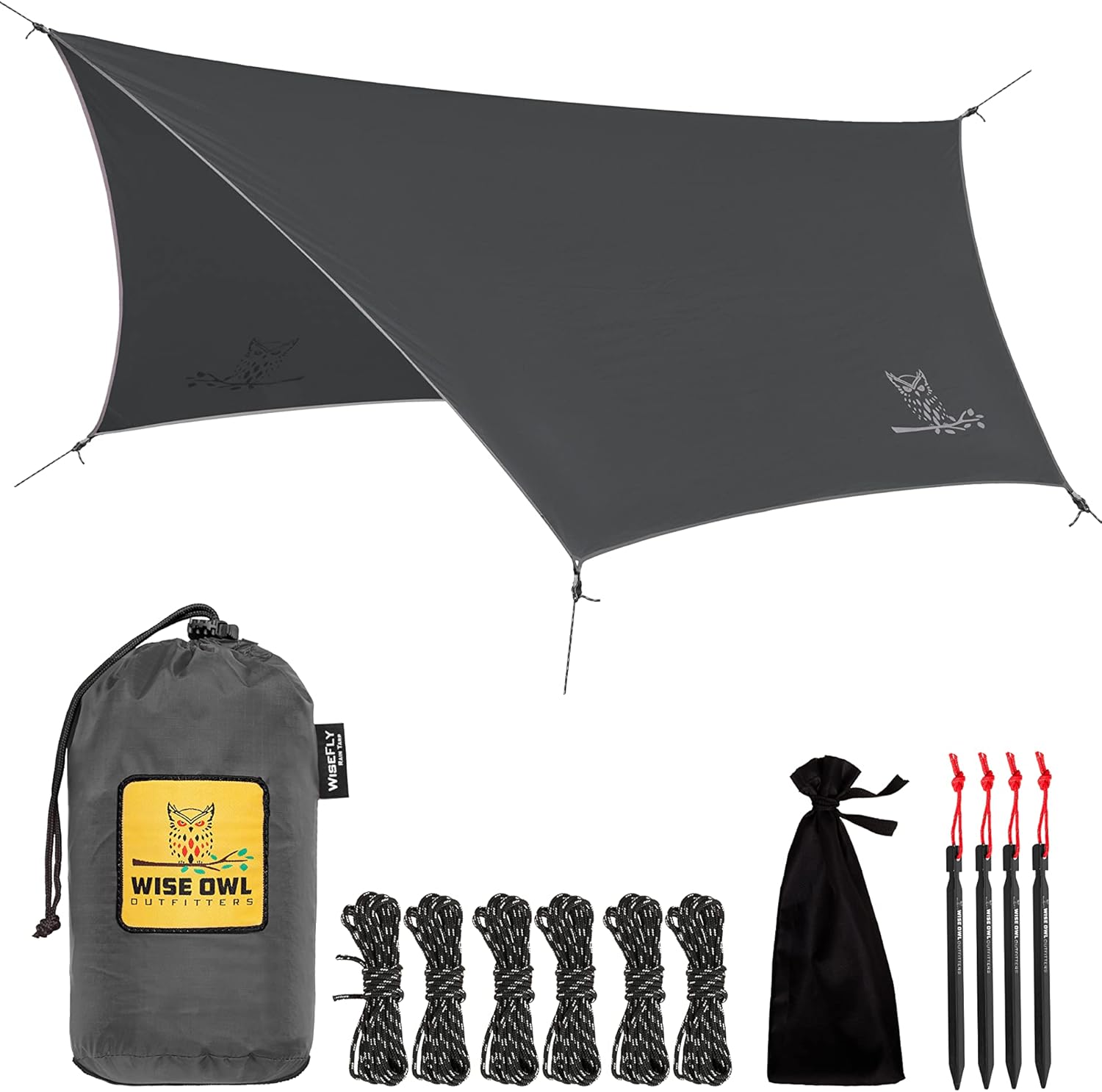
For a 4+ night trip, your shelter needs to be a sanctuary. However, traditional double-wall tents often exceed four pounds. To cut weight, consider a trekking pole-supported tent. These designs utilize the poles you are already carrying to provide structure, eliminating the need for heavy fiberglass or aluminum tent poles. A high-quality silnylon or DCF shelter can weigh under two pounds while providing excellent wind and rain resistance. Ensure your choice includes a bathtub floor and integrated mesh to protect against moisture and insects, which can become significant stressors on longer trips.
The Sleep System: Efficiency in Rest
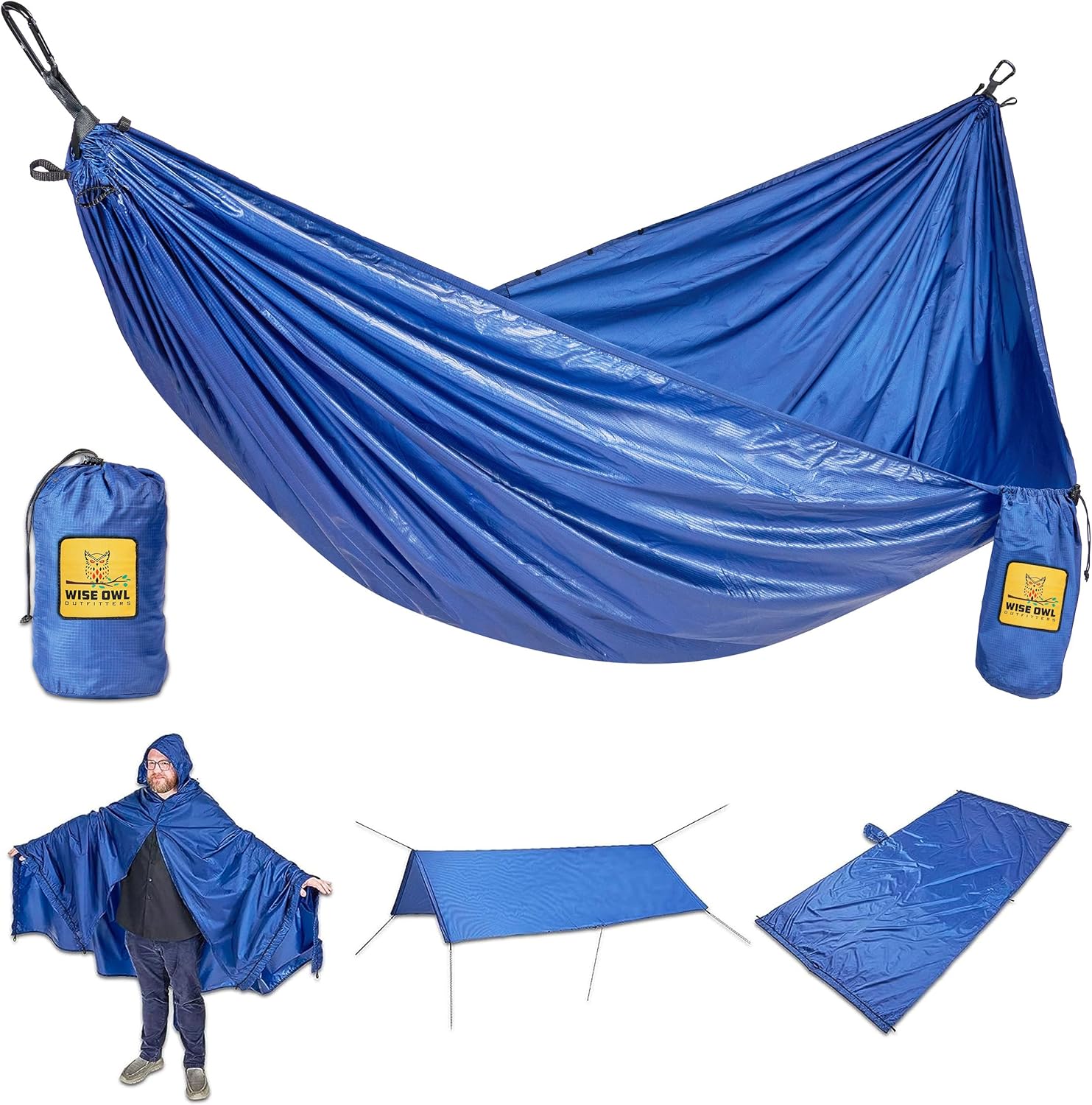
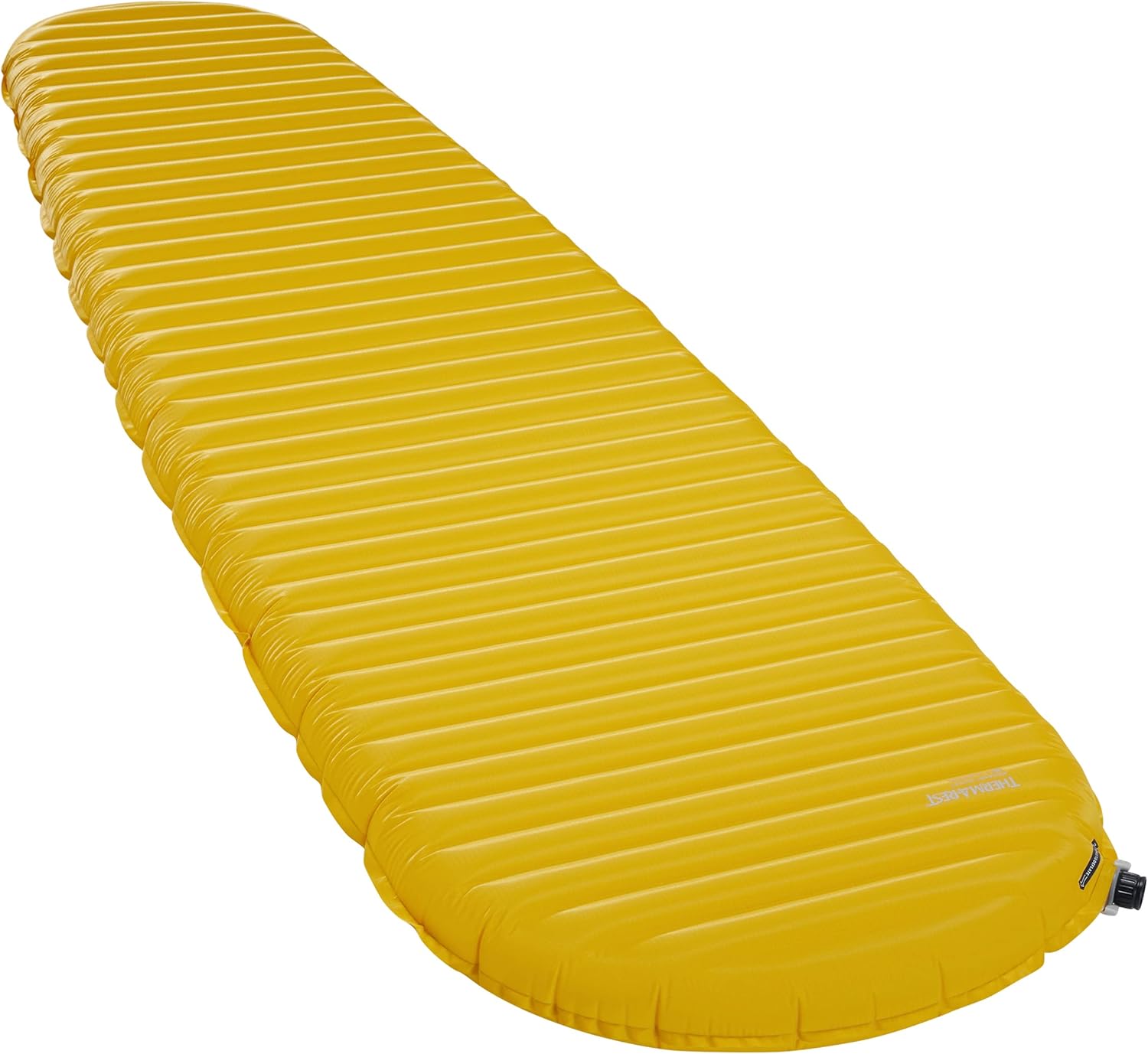
Recovery is vital on multi-day trips. Moving from a traditional mummy bag to a backpacking quilt is one of the most effective ways to shed weight. Quilts eliminate the insulation underneath you—which is compressed and rendered useless by your body weight anyway—and rely on a high-quality sleeping pad to provide the thermal barrier. Look for a pad with an R-value of at least 3.0 for 3-season use. Inflatable pads offer the best weight-to-comfort ratio, but ensure you carry a small patch kit; a puncture on night two of a five-day trip can lead to dangerous sleep deprivation and cold.
Clothing: The Layering System
The secret to packing light for a long trip is versatility. You do not need a different outfit for every day; you need a system of layers that work together to regulate your body temperature in various conditions. The ‘Rule of Two’ is a good baseline: two pairs of socks (one to wear, one to dry), two pairs of liners, and one set of base layers reserved strictly for sleeping to ensure you always have something dry to put on at night.
Base Layers and Insulation
Synthetic or merino wool base layers are non-negotiable. They wick moisture away from the skin, preventing the chilling effect of sweat. For insulation, a high-fill-power down jacket (800-fill or higher) provides the best warmth-to-weight ratio. Down is incredibly packable, but it must be kept dry. If you are hiking in a consistently temperate but wet environment, a high-quality synthetic insulated jacket might be safer, as synthetic fibers retain some warmth even when damp.
Shells and Protection
Your rain shell is your ultimate shield. For ultralight enthusiasts, a lightweight 2.5-layer or 3-layer waterproof-breathable jacket is essential. Avoid heavy ‘feature-rich’ jackets with excessive zippers and pockets. A simple, well-tailored rain shell can also serve as a windbreaker, adding significant warmth over a fleece or down jacket during cold morning starts. Don’t forget your extremities; a pair of ultralight rain mitts can be a lifesaver if a cold front moves in mid-trip.
The Kitchen: Nourishment and Hydration
When you are out for more than four nights, your caloric needs will skyrocket. However, the gear used to prepare that food should remain minimal. Many long-distance hikers opt for a ‘cold soaking’ method to eliminate the stove entirely, but for most, a hot meal at the end of a long day is a necessary psychological boost.
Stoves and Fuel Management
A small canister stove, such as the MSR PocketRocket or a titanium alternative, is the standard for efficiency. To save weight, use a single 750ml titanium pot for both boiling water and eating. For a four-to-five-night trip, a single 100g fuel canister is usually sufficient if you are only boiling water for dehydrated meals and morning coffee. Be mindful of wind, which can double your fuel consumption; always use a natural windbreak or a small foil shield.
Water Filtration and Storage
Water is the heaviest thing you will carry, so your strategy should focus on ‘camel-ing up’ at sources and carrying only what you need between them. A hollow-fiber membrane filter, like the Sawyer Squeeze or Katadyn BeFree, is the gold standard. These filters are lightweight and can be screwed directly onto collapsible plastic bottles. Carry two liters of capacity in soft bottles, which take up zero space when empty, and perhaps a single one-liter ‘dirty’ bag for filtering.
Electronics and Navigation
In the modern era, weight savings can be found in our electronics, but we must be careful not to create a single point of failure. Your smartphone is a powerful tool, serving as your GPS, camera, and field guide, but it requires a robust power management strategy.
The Power Bank and Cables
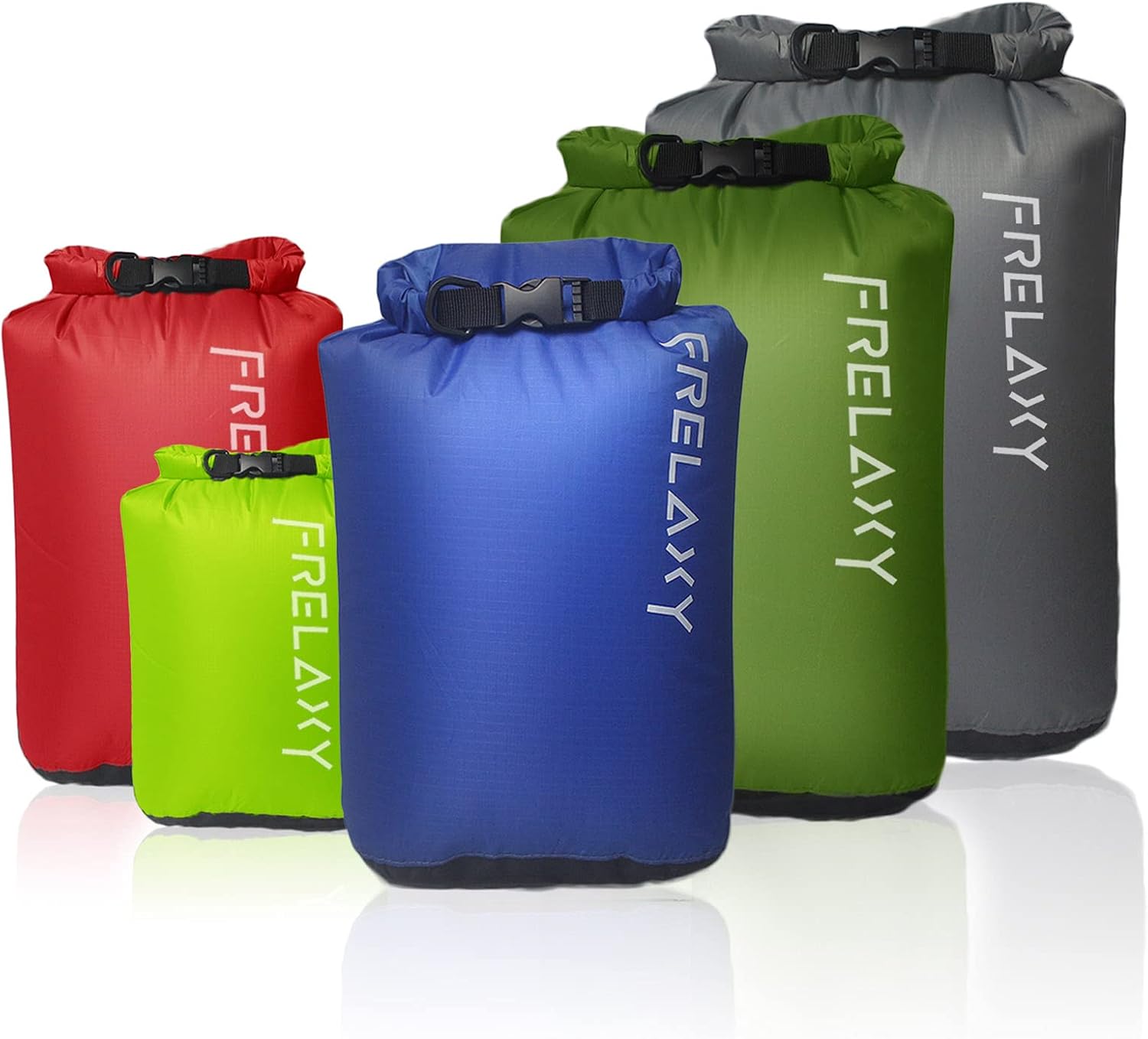
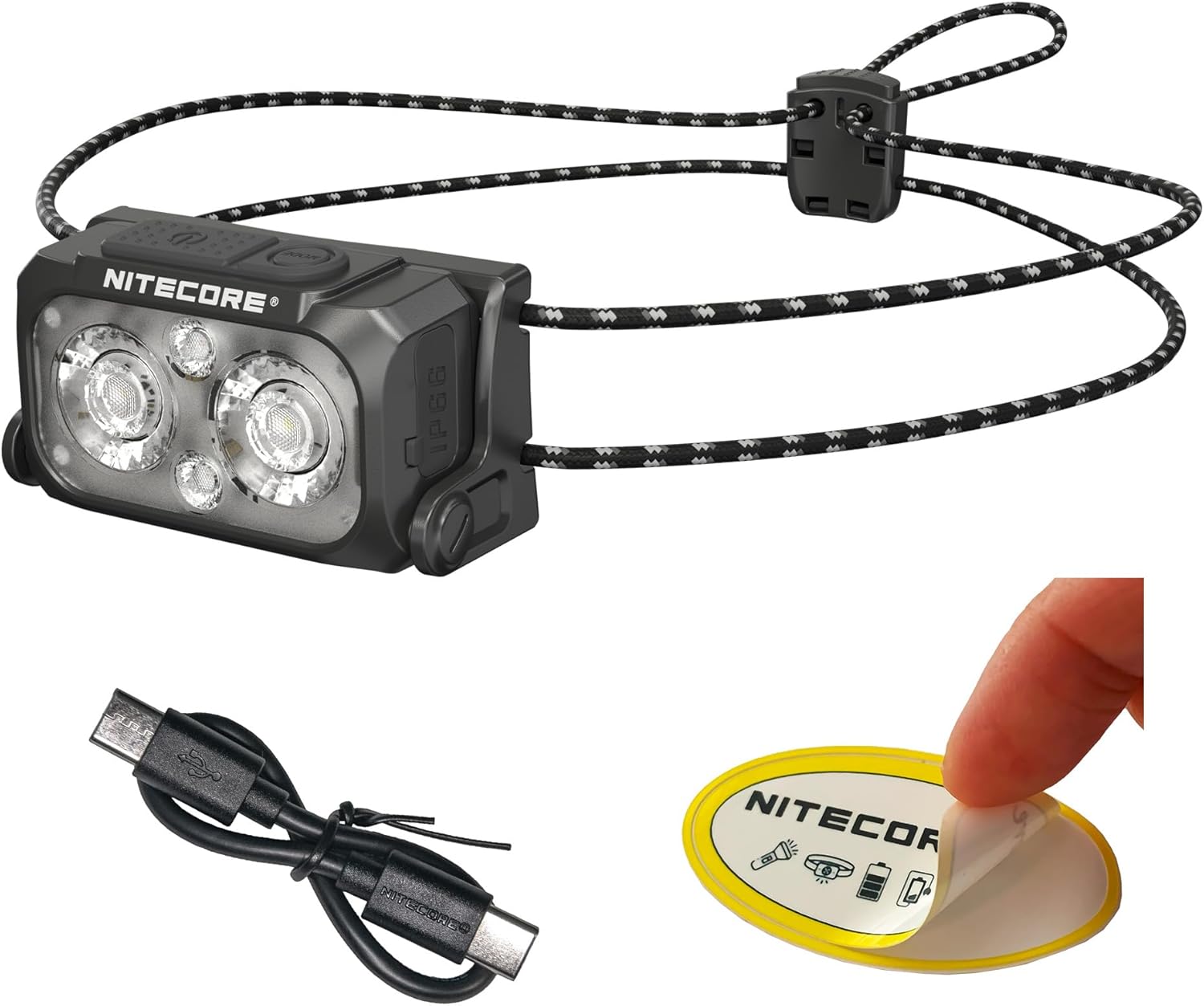
For a 4+ night trip, a 10,000mAh power bank is usually the ‘sweet spot.’ It provides enough energy to charge a smartphone 2-3 times and top off a headlamp. Look for a model with ‘Power Delivery’ (PD) for faster charging. Keep your cables short—six inches is plenty—and store them in a small waterproof bag. To conserve battery, keep your phone in airplane mode with the screen brightness low and GPS only turned on when necessary.
Navigation and Emergency Signaling
While digital maps (like Gaia GPS or AllTrails) are convenient, they should never be your only source of navigation. Always carry a paper map of the area and a small button compass. Furthermore, for any trip longer than a weekend, a Satellite Messenger or Personal Locator Beacon (PLB) is a mandatory safety item. Devices like the Garmin inReach Mini 2 allow you to send two-way messages and trigger an SOS even when you are miles from cellular service. The 3.5 ounces it adds to your pack is worth the peace of mind for both you and your loved ones.
The First Aid and Repair Kit
A common mistake is carrying a pre-packaged first aid kit filled with items you don’t know how to use. Instead, build a ‘minimalist-comprehensive’ kit. Focus on the most likely injuries: blisters, small cuts, and gastrointestinal issues. A small roll of Leukotape is superior to any bandage for blister prevention and treatment. Include a few ibuprofen tablets, antihistamines, and an anti-diarrheal. For repairs, a small length of Tenacious Tape, a few zip ties, and a needle with heavy-duty thread can fix almost any gear failure, from a torn tent wall to a blown-out shoe sole.
Hygiene and Waste Management
Staying clean on the trail isn’t just about comfort; it’s about preventing infections and chafing. However, you don’t need a full toiletry bag. A small travel-sized toothbrush (handle cut in half if you’re truly dedicated), a tiny tube of concentrated biodegradable soap, and a small bottle of hand sanitizer are the essentials. For waste management, an ultralight trowel is necessary to follow ‘Leave No Trace’ principles. Many hikers are now switching to a ‘backcountry bidet’ (a simple cap with a small hole that fits on a water bottle) to reduce the amount of toilet paper they need to carry and pack out.
Managing the Load: Organization and Technique
How you pack is just as important as what you pack. For a 4+ night trip, your food bag will be quite heavy on day one. Place this heavy item close to your back, centered between your shoulder blades. Your sleeping bag or quilt should go in the bottom to provide a structured base. Items you might need during the day—rain shell, water filter, snacks—should be in the external mesh pockets or the brain of the pack. This prevents you from having to unpack your entire kit in the middle of a trail, which saves time and reduces the risk of losing small items in the brush.
The Psychological Aspect of Lightness
The transition to ultralight gear is as much a mental shift as a physical one. It requires trusting your skills and your gear. On a longer trip, you begin to realize how little you actually need to survive and thrive. The ‘just in case’ items are the enemies of a light pack. Instead of carrying a heavy item for a 1% chance event, consider how you can use the gear you already have to solve that problem. Can your sit-pad serve as a splint? Can your cooking pot be used to bail water? This versatility is the hallmark of an experienced woodsman.
As the days pass and the miles accumulate, the weight of your pack will naturally decrease as you consume your food and fuel. This creates a rewarding cycle: as your body grows more tired from the journey, your burden becomes lighter. By the fourth or fifth night, you may find that the rhythm of the trail has become second nature. The gear you carefully selected is no longer a collection of objects, but a seamless extension of your own capabilities. Standing on a high ridge as the sun begins to dip, you realize that the lightness of your pack has allowed you to notice the shifting colors of the sky and the scent of the pines, rather than just the strain in your calves. This clarity is the ultimate reward for the discipline of packing light, a testament to the idea that by carrying less, you are actually able to experience so much more of the world around you.
