


Ultralight backpacking has evolved far beyond a simple gear trend—it’s a profound shift in how hikers approach the wilderness. In 2026, with trails like the Pacific Crest Trail (PCT), Appalachian Trail (AT), and Continental Divide Trail (CDT) drawing record numbers of adventurers, the ultralight mindset emphasizes shedding not just physical weight but also mental burdens. This philosophy revolves around the idea that carrying less allows for greater immersion in nature, enhanced resilience, and a deeper sense of freedom. By focusing on essentials, hikers can move faster, hike farther, and connect more authentically with the environment without the distractions of excess possessions.
This article explores the core principles of the ultralight mindset, drawing from established ideas in the hiking community. It delves into how reducing gear load translates to mental clarity, why minimalism fosters presence on the trail, and practical ways to adopt this approach for your next adventure. Whether you’re a beginner eyeing your first section hike or a seasoned thru-hiker refining your strategy, understanding this mindset can transform your outdoor experiences. As the outdoors become more accessible yet increasingly crowded, embracing ultralight thinking offers a path to sustainable, joyful exploration.
What the Ultralight Mindset Really Means
At its heart, the ultralight mindset is a philosophy of intentionality rather than a strict weight limit. It challenges hikers to question every item in their pack with a simple query: “Do I really need this?” This ruthless elimination isn’t about deprivation but about efficiency and self-reliance. In the context of 2026, where climate variability and trail overcrowding are pressing concerns, this approach encourages adaptability over over-preparation.
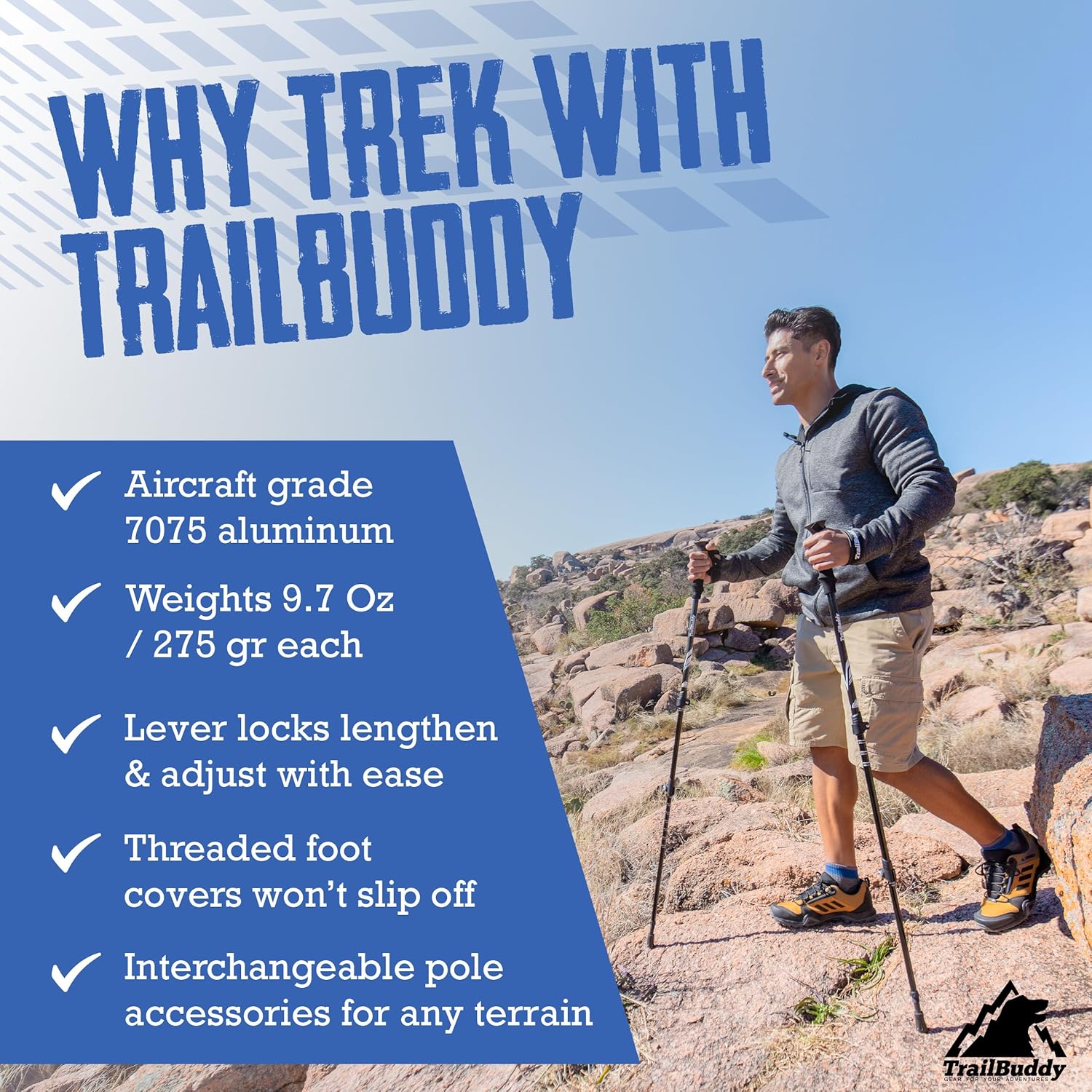
The mindset draws from minimalism, promoting the idea that less gear equates to more freedom. Without the encumbrance of heavy loads, hikers experience reduced physical strain, which in turn lightens the mental load. This shift allows for spontaneous decisions—like taking an extra zero day in a scenic spot or extending a hike—without the logistical hassle of managing bulky equipment. Community discussions highlight how this philosophy aligns with broader life principles, such as mindfulness and sustainability, making it relevant beyond the trail.
Letting Go of Fear and Over-Preparation
One of the biggest barriers to adopting an ultralight mindset is fear—fear of bad weather, injury, or discomfort. Traditional backpacking often encourages packing for every worst-case scenario, leading to overloaded packs that sap energy and joy. The ultralight philosophy counters this by advocating for smart, versatile choices that build confidence through experience.
In practice, this means recognizing that over-preparation can create a false sense of security while actually hindering mobility. Hikers who embrace this mindset learn to trust their skills and the environment, fostering resilience. For instance, on variable trails like the CDT, where conditions change rapidly, carrying multifunctional items reduces anxiety and promotes problem-solving in the moment. This mental pivot from fear to empowerment is key to enjoying longer distances without burnout.
How Less Weight Creates More Mental Space
Reducing pack weight directly impacts cognitive and emotional well-being. Studies and community insights show that lighter loads decrease physical fatigue, which in turn frees mental energy for appreciation of surroundings. Without the constant awareness of a heavy burden, hikers report heightened senses—noticing subtle changes in terrain, wildlife, or weather patterns more vividly.
This mental space cultivates mindfulness, a core benefit of the ultralight approach. By minimizing distractions from gear management, individuals can engage in reflective practices like journaling or silent observation, deepening their connection to nature. In 2026, as digital detox becomes a priority for many, this aspect of ultralight hiking serves as a natural antidote to everyday stress, promoting mental health through simplicity.
Freedom, Simplicity, and Presence on the Trail
The promise of freedom is perhaps the most compelling element of the ultralight mindset. With a streamlined setup, breaking camp becomes effortless—hikers can wake up and start walking almost immediately, embracing the flow of the day. This simplicity extends to decision-making: fewer items mean less time spent on maintenance, allowing more hours for exploration or rest.
Presence emerges as a natural byproduct. When unburdened by excess, the mind wanders less toward “what ifs” and more toward the present moment. On iconic routes like the John Muir Trail (JMT), this heightened awareness transforms a hike from a checklist of miles into a meditative journey. The philosophy underscores that true adventure lies in experiences, not possessions, aligning with timeless outdoor ethos.
Dealing with Discomfort – A Mental Shift
Discomfort is inevitable in backpacking, but the ultralight mindset reframes it as an opportunity for growth. By intentionally choosing lighter options, hikers accept minor trade-offs—like thinner insulation for agility—in exchange for overall benefits. This shift builds mental toughness, teaching that comfort isn’t about avoiding challenges but adapting to them.
Community wisdom emphasizes preparation through gradual exposure: Start with shorter trips to test boundaries, gradually reducing weight while honing skills. In colder or wetter conditions, common on trails like the AT, this approach encourages creative solutions, such as layering techniques, rather than relying on bulky backups. Over time, what once felt uncomfortable becomes empowering.
The Long-Term Impact on Life Off the Trail
The ultralight mindset doesn’t end at the trailhead—it spills into daily life. Hikers often report applying its principles to other areas, such as decluttering homes or simplifying routines, leading to reduced stress and increased fulfillment. This crossover effect highlights the philosophy’s depth: It’s a toolkit for intentional living, not just hiking.
In 2026, with environmental concerns at the forefront, this mindset promotes sustainability by discouraging overconsumption. By valuing quality over quantity, individuals contribute to less waste and a lighter footprint on the planet.
Common Misconceptions About Going Ultralight
Misconceptions abound, such as the idea that ultralight means unsafe or uncomfortable. In reality, it’s about balanced choices—prioritizing safety through knowledge rather than gear accumulation. Another myth is that it’s only for experts; beginners can start small, gradually adopting the mindset for rewarding results.
Practical Ways to Cultivate This Mindset Before Your Next Trip
To build the ultralight mindset:
- Audit your current pack: Categorize items as essential, nice-to-have, or redundant.
- Practice on short hikes: Experiment with reductions to build confidence.
- Read community forums: Learn from shared experiences on platforms like Reddit’s r/Ultralight.
- Set intentions: Before each trip, reflect on what “freedom” means to you on the trail.
| Step | Action | Benefit |
|---|---|---|
| 1 | Inventory gear | Identifies excess |
| 2 | Test reductions | Builds adaptability |
| 3 | Journal reflections | Enhances mindfulness |
| 4 | Seek community input | Gains diverse perspectives |
FAQ
What is the difference between ultralight backpacking and traditional backpacking?
Ultralight focuses on minimalism and mindset, prioritizing freedom over comprehensive gear, while traditional often emphasizes preparedness through more items.
Is the ultralight mindset suitable for beginners?
Yes, start with small adjustments to avoid overwhelm and gradually incorporate principles.
How does the ultralight philosophy help with mental health?
It reduces decision fatigue and physical strain, allowing more space for mindfulness and nature connection.
Can this mindset apply to group hikes?
Absolutely—encourage shared responsibilities to minimize individual loads while fostering teamwork.
Why is 2026 a good year to adopt this mindset?
With advancing trail apps and community resources, it’s easier to plan light, plus growing emphasis on sustainability aligns perfectly.
Does ultralight mean sacrificing safety?
No; it emphasizes skill-building and versatile tools over excess gear.
How can I stay motivated to maintain this approach?
Track personal wins, like longer hikes or deeper trail enjoyment, to reinforce the benefits.
Embracing the ultralight mindset in 2026 isn’t about chasing the lightest pack—it’s about reclaiming the essence of adventure through simplicity and presence. As you prepare for your next trail, consider how less can truly mean more. What aspect of this philosophy excites you most? Share your thoughts in the comments below!
