
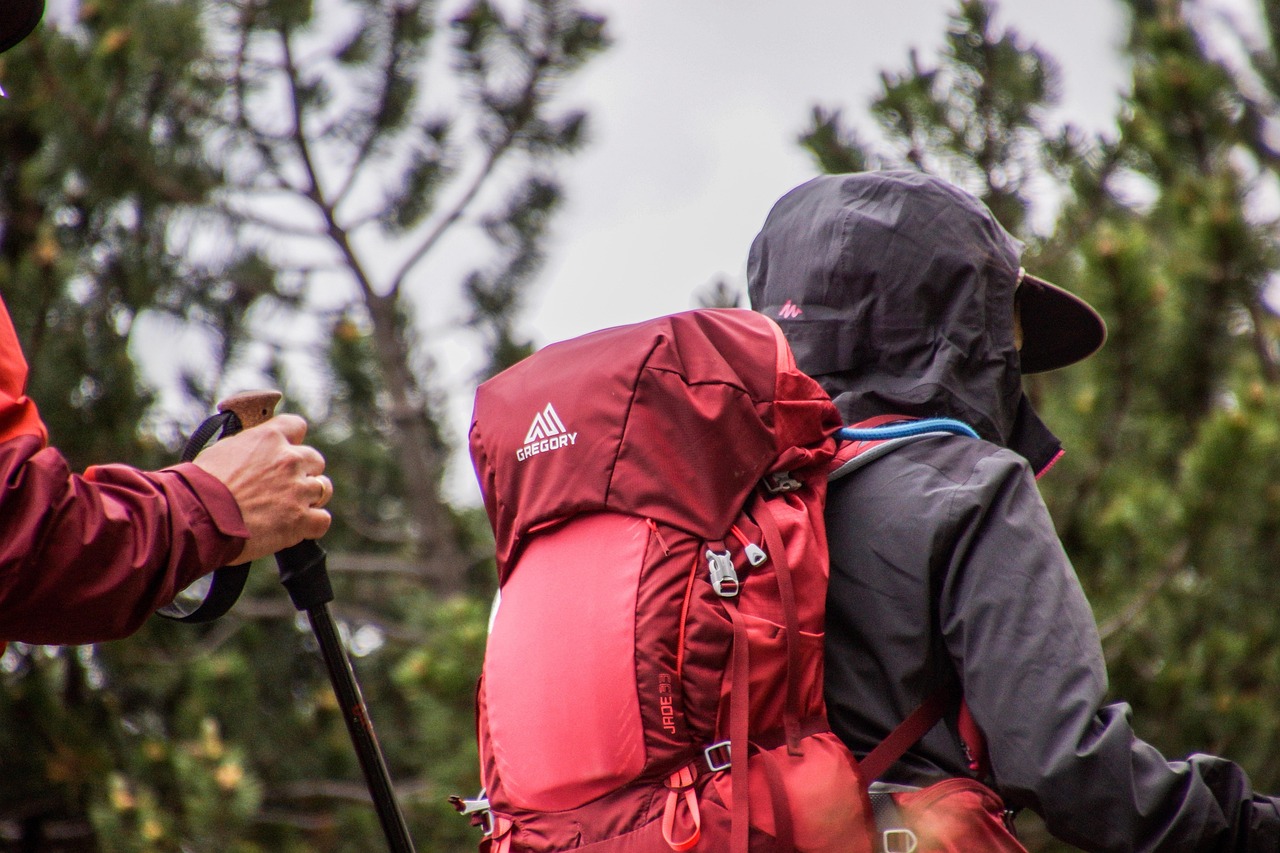
The landscape of long-distance hiking in the United States has undergone a radical transformation over the last decade. Gone are the days when a 50-pound pack was considered a badge of honor on the Appalachian Trail or the Pacific Crest Trail. As we move into the 2026 hiking season, the philosophy of ‘less is more’ has evolved from a niche subculture into the industry standard. For those looking to assemble a comprehensive ultralight backpacking gear list 2026, the backpack itself remains the most critical decision. It is the vessel that carries your entire life on your back, and in the modern era, achieving a 9 pound base weight is no longer a feat reserved for elite athletes. With advancements in textile technology and ergonomic design, the current generation of packs offers an unprecedented balance of durability, comfort, and feather-light weight.
The surge in popularity of ultralight thru hiking is driven by a simple realization: the lighter the load, the more miles one can cover with less strain on the body. This guide explores the pinnacle of pack design for 2026, focusing on models from industry leaders like Hyperlite Mountain Gear, Zpacks, and Gossamer Gear—all of which weigh in at under 2 pounds. Whether you are preparing for a weekend in the White Mountains or a five-month journey on the Continental Divide Trail, understanding the nuances of these technical carriers is essential. We will dive deep into material science, load-carrying capabilities, and the best ultralight gear 2026 has to offer to ensure your next adventure is defined by the views, not the aches in your shoulders.
Understanding Base Weight and Ultralight Principles
Before selecting a pack, it is vital to understand the concept of base weight. Base weight refers to the total weight of your gear, excluding ‘consumables’ like food, water, and fuel. In the ultralight community, a base weight under 10 pounds is the gold standard, often referred to as a 9 pound base weight. Achieving this requires a holistic approach to your ultralight backpacking gear list 2026. Every ounce must be scrutinized, and the backpack is often the ‘Big 3’ item where the most significant weight savings can be found without sacrificing safety.
The transition to ultralight gear requires a shift in mindset. Instead of looking for a pack with dozens of zippers and heavy internal frames, ultralight hikers prioritize simplicity. Modern packs utilize high-tech fabrics like Ultra 200, Challenge Sailcloth, and Dyneema Composite Fabric (DCF) to provide water resistance and high tensile strength at a fraction of the weight of traditional nylon. When planning for PCT gear or AT gear, remember that your pack should be the last thing you buy. Your pack must be sized to fit your gear, not the other way around. If your sleep system and shelter are already streamlined, a sub-2-pound pack becomes the perfect finishing touch.
[Image Suggestion: A high-resolution close-up of a modern ultralight backpack featuring Ultra 200 fabric, showing the texture and waterproof seams. Alt text: ultralight backpacking gear list 2026 featuring high-tech waterproof fabrics]
The Big 3: Pack, Shelter, and Sleep System Synergy
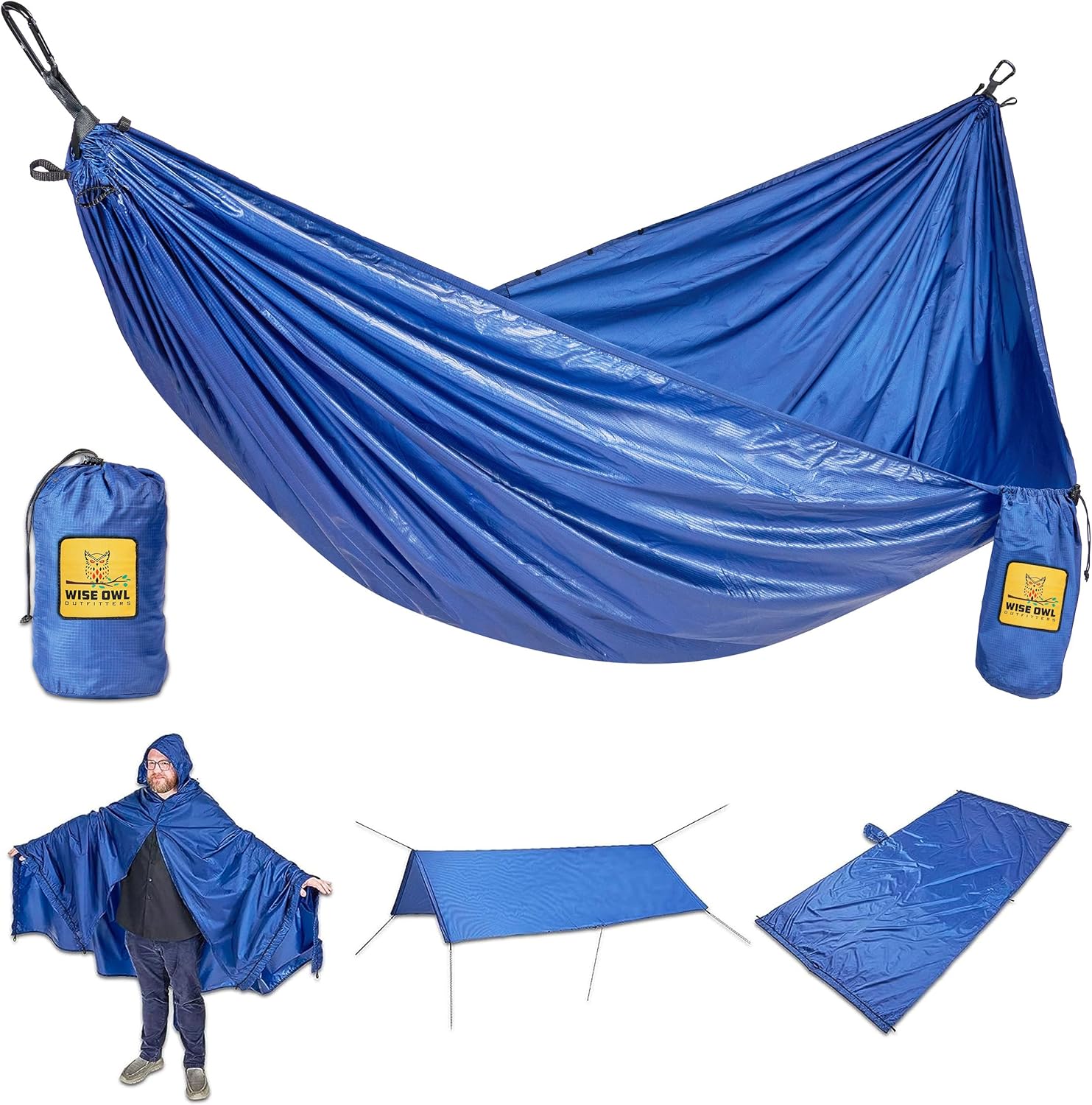
The ‘Big 3’ consists of your backpack, your shelter (tent or tarp), and your sleep system (quilt/sleeping bag and pad). These three items typically account for the majority of a hiker’s base weight. In 2026, the synergy between these components is more important than ever. If you are using a frameless pack like the Zpacks Nero or the Gossamer Gear Murmur, your sleep system—specifically a folding closed-cell foam pad—often doubles as the pack’s internal structure.
When selecting best ultralight gear 2026, consider how your shelter fits into your pack. Many modern packs feature large external mesh pockets designed specifically to house a wet tent, keeping the moisture away from your dry down quilt inside the main compartment. This modularity is a hallmark of ultralight thru hiking. By choosing a pack under 2 lbs, such as the Hyperlite Unbound or the Durston Kakwa 55, you allow yourself more ‘weight budget’ for a comfortable sleep system, which is crucial for recovery on long-distance routes like the JMT or Colorado Trail.
Top Ultralight Packs Under 2 lbs for 2026
The market for sub-2-pound packs is more competitive than ever. Below is a detailed look at the industry leaders that are dominating the trails this year. These brands have refined their designs based on thousands of miles of feedback from the thru-hiking community.
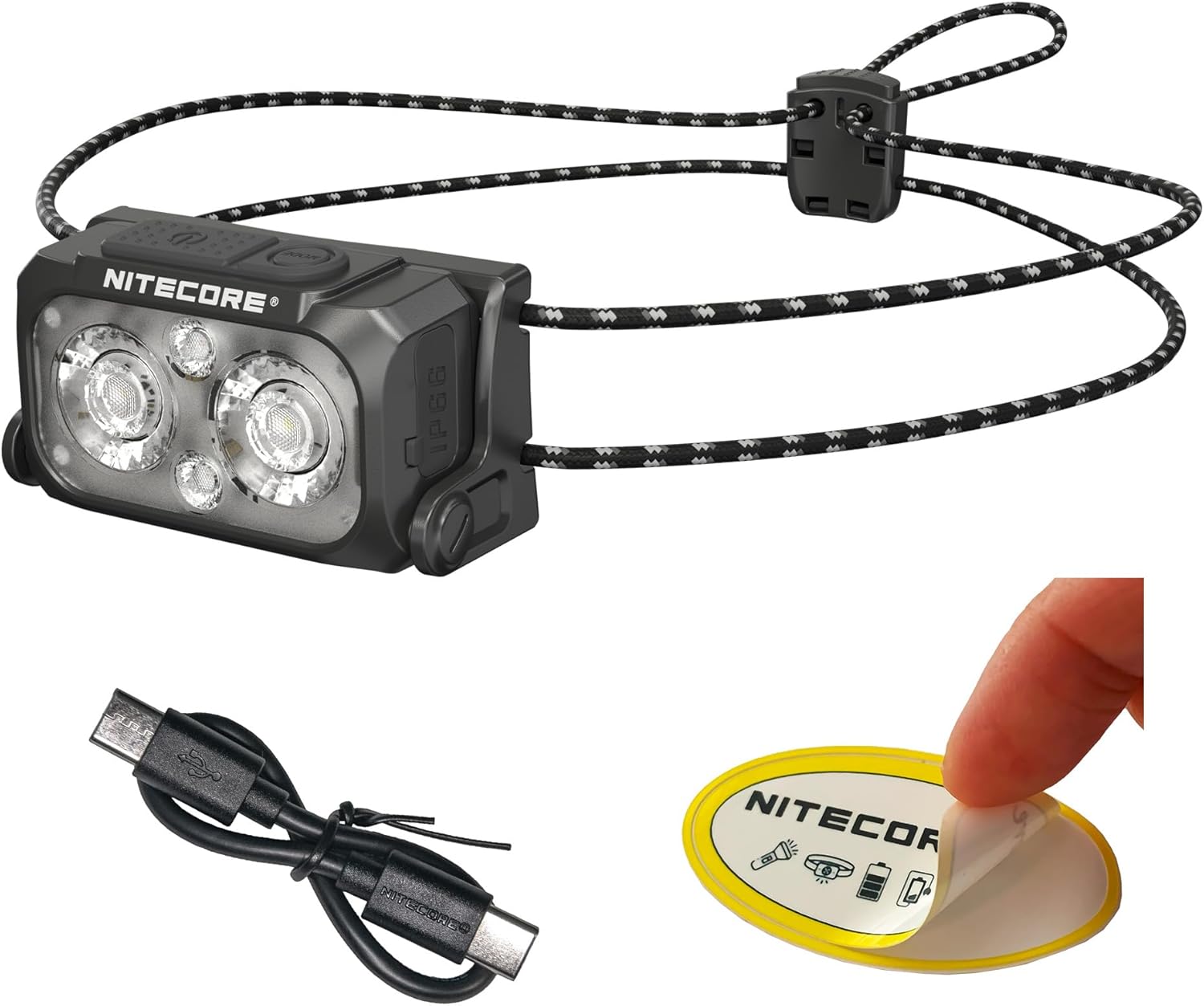
Hyperlite Mountain Gear: The Unbound Series
Hyperlite has long been a staple on the PCT and AT. The Unbound series represents their most ‘thru-hiker centric’ design. Constructed primarily from Dyneema Composite Fabric, these packs are nearly waterproof and incredibly abrasion-resistant. The Unbound 40 and 55 models feature a streamlined shape, large side pockets for water bottles, and a bottom ‘trash pocket’ that has become a favorite among high-mileage hikers. Weighing roughly 28–32 ounces depending on size, they offer a rigid internal stay that handles loads up to 35 pounds comfortably.
Zpacks: The Arc Haul Ultra
Zpacks continues to push the boundaries of weight with the Arc Haul Ultra. Utilizing the ‘Arc’ frame system, this pack creates a gap between the hiker’s back and the pack, allowing for maximum ventilation—a godsend on humid East Coast trails. Using the new Ultra fabric, which is significantly more durable than traditional DCF, the Arc Haul Ultra 60L comes in at approximately 20 ounces. It is one of the lightest framed packs on the market, making it a top choice for those chasing a 9 pound base weight.
Gossamer Gear: The Mariposa 60 and Gorilla 50
Gossamer Gear is known for ‘the best carry in the business.’ Their packs, like the Mariposa 60, use a lightweight internal aluminum stay and a signature SitLight pad that doubles as a back cushion. While the fabric (Robic nylon) is more traditional than Ultra or DCF, it is exceptionally soft and durable. The Mariposa is a favorite for beginners transitioning to ultralight gear because it offers more organizational features and comfort than many ‘stripped-down’ minimalist packs, yet it still weighs in under 32 ounces.
Durston Gear: The Kakwa 55
Dan Durston has disrupted the market with the Kakwa 55. This pack uses Ultra 200 fabric and a load-bearing frame that punches well above its weight class. It is specifically designed to carry weight more efficiently by placing the load closer to the back. At roughly 30 ounces, it has become a staple for those needing to carry heavy food or water loads on sections of the CDT or the desert portions of the PCT.
[Image Suggestion: A side-by-side comparison of three ultralight packs (Hyperlite, Zpacks, and Gossamer Gear) leaning against a wooden trail sign. Alt text: best ultralight gear 2026 backpacks comparison on the Pacific Crest Trail]
Sample Complete Gear List (2026 Edition)
To visualize how a sub-2-pound pack fits into a total system, here is a sample ultralight backpacking gear list 2026 aimed at achieving a 9 pound base weight for a typical summer thru-hike.
| Item Category | Model/Brand Examples | Weight (oz) | Approx. Price | Key Features / Notes |
|---|---|---|---|---|
| Backpack | Zpacks Arc Haul Ultra 60 | 20.1 | $399 | Ventilated frame, Ultra fabric |
| Shelter | Durston X-Mid Pro 1 | 16.4 | $599 | DCF, trekking pole supported |
| Sleep System | Enlightened Equipment Revelation 20° | 22.5 | $350 | 850-950 fill power down quilt |
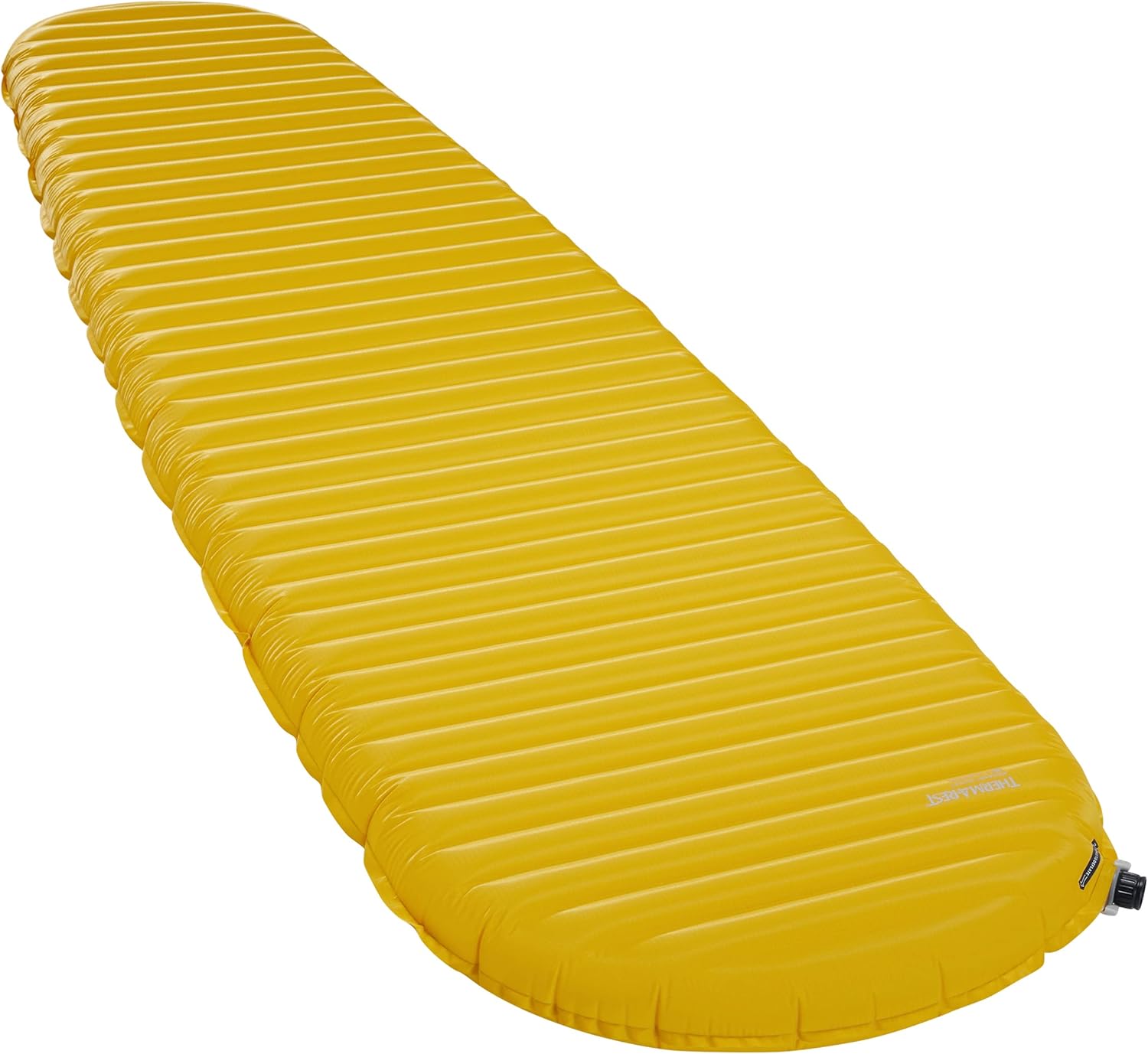
| Sleeping Pad | Therm-a-Rest NeoAir XLite NXT | 13.0 | $200 | 4.5 R-value, highly packable |
| Cooking System | BRS-3000T + TOAKS 750ml Pot | 4.2 | $60 | Titanium, ultralight minimalist |
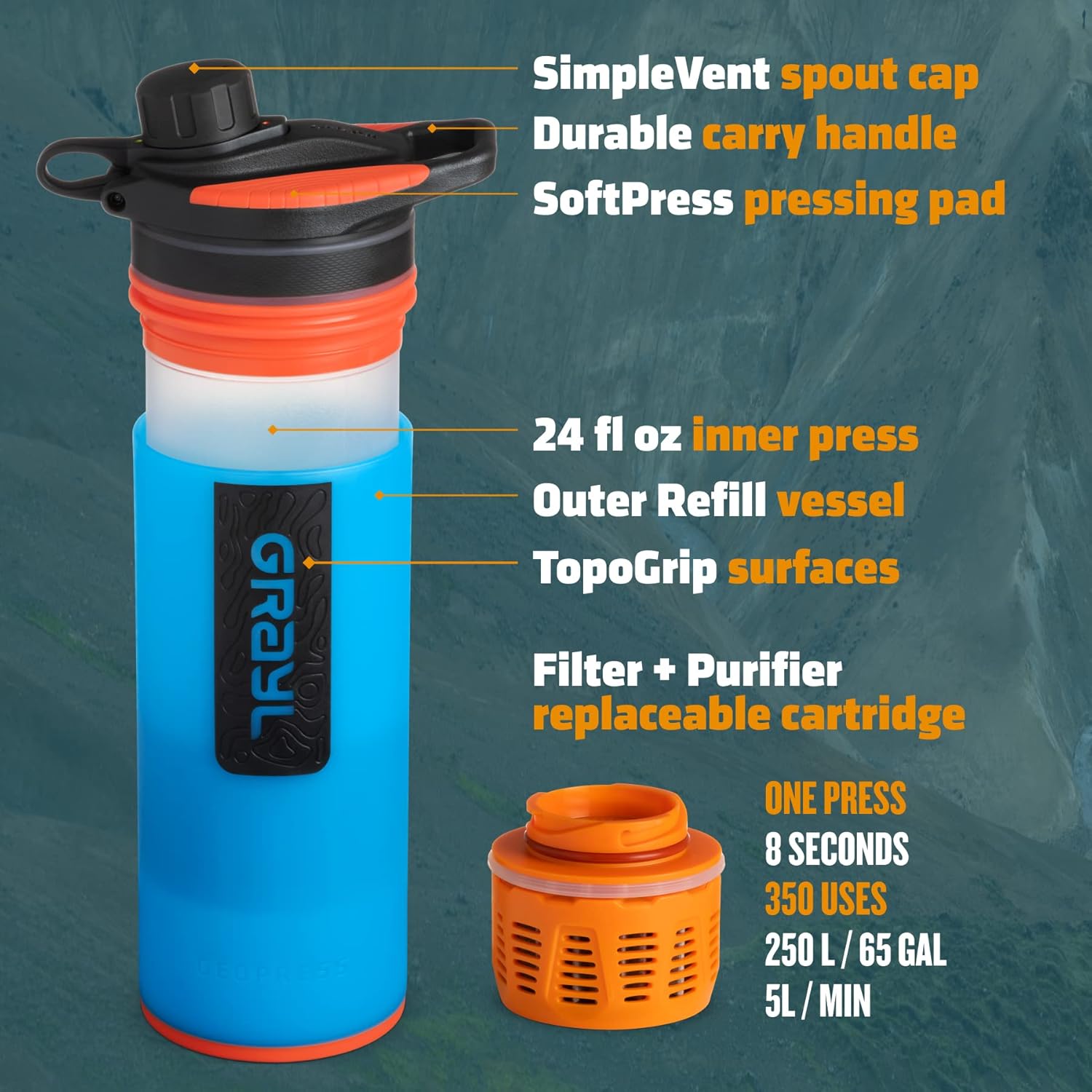
| Water Filtration | Sawyer Squeeze + CNOC Vecto | 5.0 | $65 | Standard for thru-hiking |
| Insulation Layer | Enlightened Equipment Torrid Jacket | 8.0 | $180 | Synthetic, works well when damp |
| Rain Gear | Zpacks Vertice Rain Jacket | 6.2 | $299 | Breathable, extremely light |
| Total Base Weight | — | ~95.4 oz (5.9 lbs) | — | Excludes electronics/misc |
Framed vs. Frameless: Which is Right for You?
One of the most debated topics in ultralight thru hiking is the choice between a framed and a frameless pack. For 2026, the lines are blurring as materials become stiffer and more supportive. However, the distinction still matters based on your total pack weight (including food and water).
Frameless Packs: These are the ultimate in weight savings, often weighing between 8 and 15 ounces (e.g., Mountain Laurel Designs Burn or Zpacks Nero). They rely on the hiker’s ability to pack their gear strategically to create a ‘virtual frame.’ These are recommended only for those who have a consistent base weight under 8 pounds and a total load that rarely exceeds 20–22 pounds. If you are a seasoned hiker on the AT where town stops are frequent, a frameless pack can be a liberating choice.
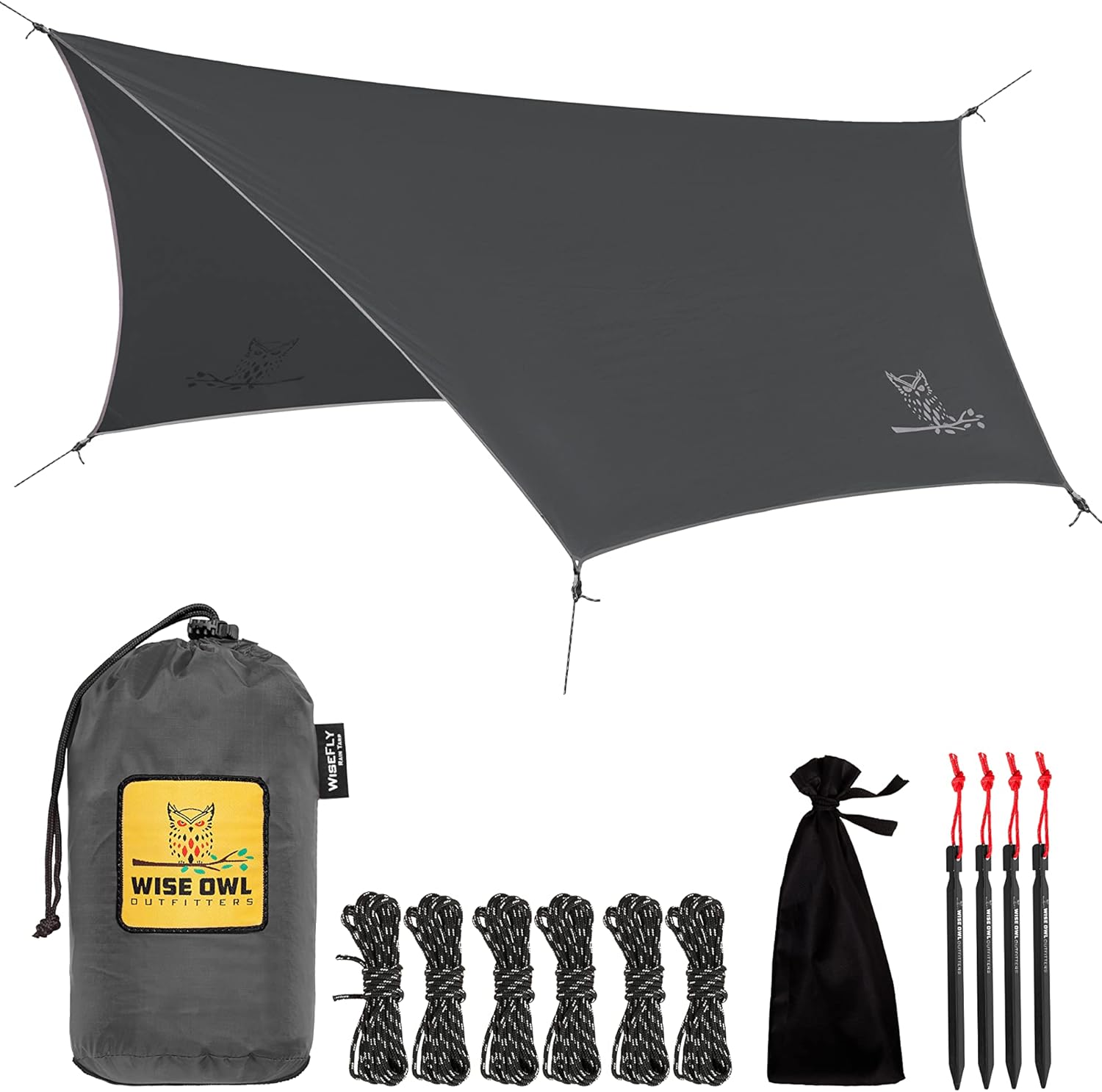
Framed Packs: Modern ultralight framed packs use carbon fiber or aluminum stays to transfer weight to the hips. Models like the Hyperlite Unbound or the Six Moon Designs Swift V are designed to handle 30–35 pounds comfortably. If you are hiking the PCT or CDT, where 5-7 day food carries and long water hauls are common, a framed pack under 2 lbs is almost always the superior choice. The slight weight penalty (usually 10–15 ounces more than frameless) is well worth the increased comfort during the first few days after a resupply.
[Image Suggestion: A hiker demonstrating how to use a foam sleeping pad as a backrest in a frameless pack. Alt text: packing techniques for ultralight thru hiking with a frameless pack]
Packing and Weight Distribution Tips
Even the best ultralight gear 2026 can feel uncomfortable if it is packed incorrectly. Because ultralight packs often have less internal structure, how you distribute the weight is paramount. Follow these principles to ensure a stable carry:
- The Bottom Layer: Place your light, bulky items at the bottom. This usually includes your sleeping bag or quilt (in a dry bag) and your extra clothing. This provides a soft base for the pack to sit on.
- The Center (Close to Back): Your heaviest items—food bag and water bladder—should be placed in the middle of the pack, as close to your spine as possible. This keeps the center of gravity near your body, preventing the pack from pulling you backward.
- The Outer Layer: Place your shelter and electronics near the top or in the external pockets. This allows for quick access during a rainstorm or at camp.
- External Pockets: Use the large mesh ‘front’ pocket for items you need throughout the day: rain jacket, water filter, and trowel. Side pockets are reserved for water bottles, which should be reachable while wearing the pack.
[Image Suggestion: An exploded view of a backpack showing the internal layers of gear. Alt text: weight distribution diagram for best ultralight gear 2026]
Common Mistakes to Avoid in 2026
As the ultralight trend grows, many hikers fall into traps that can lead to injury or gear failure. Avoid these common pitfalls:
- Overloading the Pack: Just because a pack is 60 liters doesn’t mean it can carry 40 pounds. Most sub-2-pound packs have a comfort limit. Exceeding it can cause the shoulder straps to dig in or the frame to fail.
- Ignoring Torso Size: Ultralight packs are often less adjustable than traditional ones. Take the time to measure your torso accurately before ordering from brands like Zpacks or Gossamer Gear. A pack that is too short will put all the weight on your shoulders.
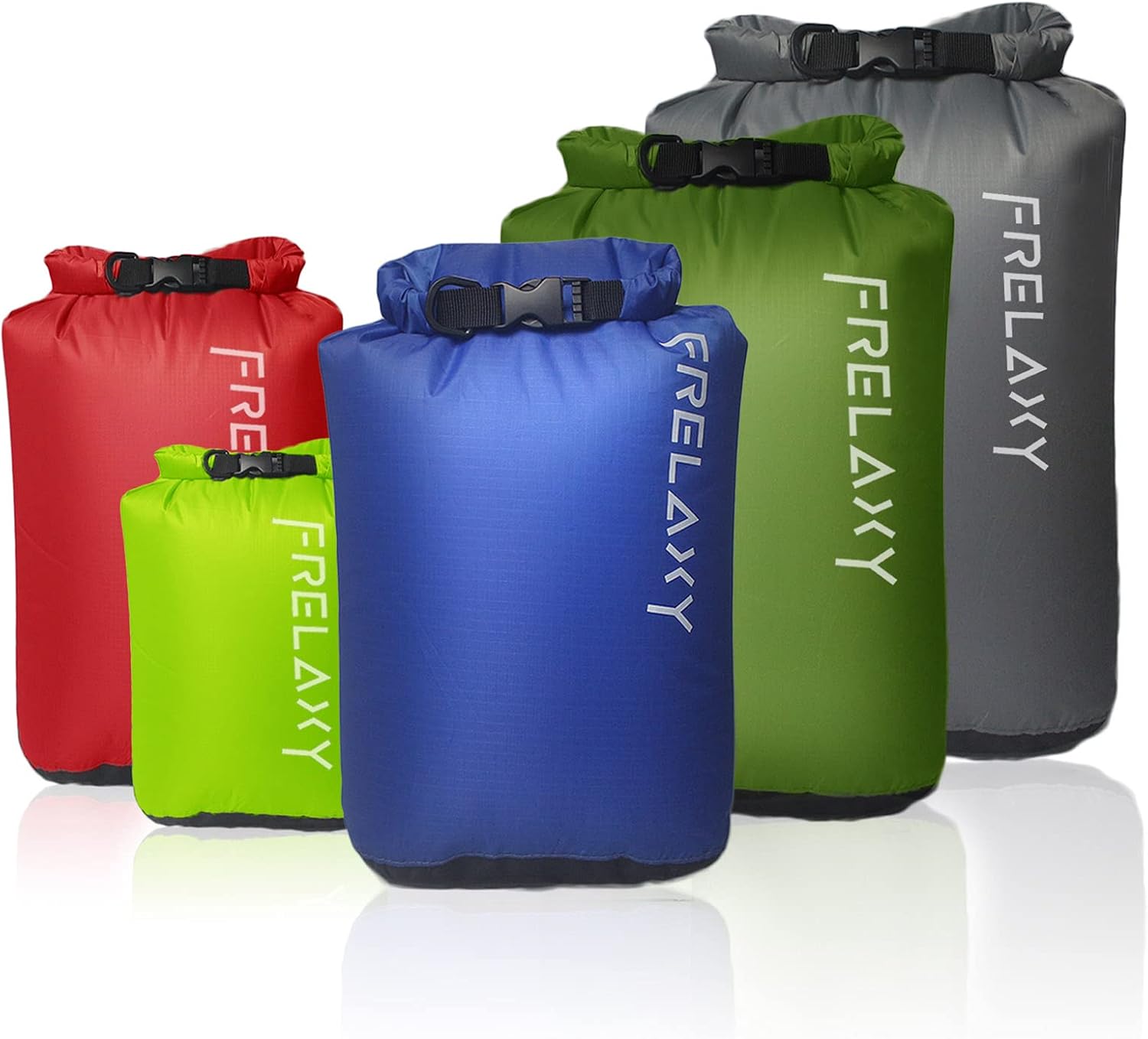
- Neglecting Waterproofing: While fabrics like DCF and Ultra are waterproof, the seams and zippers may not be. Always use a lightweight pack liner (like a Nylofume bag) to protect your quilt and dry clothes.
- Chasing Weight at the Expense of Function: If a frameless pack makes your back ache every day, the 10 ounces you saved aren’t worth it. Comfort is a vital component of trail longevity.
FAQ: Ultralight Backpacking Gear 2026
Q: Is Dyneema (DCF) still the best material for packs in 2026?
A: While DCF is excellent, many manufacturers are shifting toward ‘Ultra’ fabrics (UHMWPE). Ultra offers similar weight and waterproof properties but with significantly better abrasion resistance, making it the current gold standard for durability.
Q: Can a beginner start with an ultralight pack?
A: Yes, but only if they have already downsized their other gear. Putting a heavy, traditional tent and sleeping bag into an ultralight pack is a recipe for discomfort and potential gear damage.
Q: How long do these lightweight packs last?
A: A high-quality ultralight pack from a brand like Hyperlite should easily last a full 2,600-mile thru-hike. However, they require more care than heavy cordura packs. Avoid dragging them on rocks or overstuffing them.
Q: Are ultralight packs waterproof?
A: Most are highly water-resistant. Fabrics like Ultra and DCF don’t absorb water, but moisture can seep through needle holes in the seams over time. Using a pack liner is always recommended.
Q: Why are these packs more expensive than those at big-box retailers?
A: The materials (Ultra, DCF) are incredibly expensive to produce, and many of these brands (Zpacks, Hyperlite) manufacture their gear in the USA with high labor standards and meticulous quality control.
Conclusion
Embracing the ultralight philosophy is about more than just numbers on a scale; it is about the freedom to move effortlessly through the wilderness. By selecting a pack from the best ultralight gear 2026 list—whether it’s the rugged Hyperlite Unbound, the airy Zpacks Arc Haul, or the comfortable Gossamer Gear Mariposa—you are investing in your physical well-being and your enjoyment of the trail. Reducing your load to a 9 pound base weight opens up new possibilities for high-mileage days and deeper exploration of the stunning landscapes found on the PCT, AT, and beyond.
As you refine your ultralight backpacking gear list 2026, remember that the best pack is the one that disappears on your back, allowing you to focus on the horizon rather than the burden. The technology has never been better, and the community has never been more supportive. It’s time to lighten the load and see where the trail takes you.
Which piece of gear are you most excited to try this season? Are you sticking with a frame, or are you making the jump to frameless? Share your thoughts in the comments below!
