
When preparing for a long-distance trek, the weight of your gear is often the first thing on your mind. You spend hours researching the lightest tents, quilts, and packs, yet many hikers are surprised by the sheer mass of their food bag on day one of a trip. For many, **ultralight backpacking food** is the final frontier of weight reduction. While your base weight might be under ten pounds, a five-day food carry can easily add another ten to twelve pounds to your back, effectively doubling the strain on your body. Understanding how to manage this consumable weight is essential for anyone looking to increase their mileage and decrease their physical fatigue on the trail.
As we move into the 2026 hiking season, the philosophy surrounding trail nutrition has evolved. It is no longer just about carrying the fewest ounces possible; it is about maximizing the nutritional density and recovery potential of every gram you carry. This guide will provide a comprehensive roadmap for **ultralight food planning**, covering everything from calorie-per-ounce ratios and cold-soaking techniques to advanced resupply strategies for the PCT, AT, and CDT. By the end of this article, you will have a clear framework for fueling your body efficiently while maintaining a truly lightweight pack.
The transition to **ultralight backpacking 2026** standards requires a shift in perspective. Instead of viewing food as a series of meals, ultralight hikers view it as fuel units. This doesn’t mean the food has to be bland or unappealing. On the contrary, the best lightweight systems prioritize variety and palatability to ensure that hikers actually consume the calories they carry. We will explore the core principles of high-calorie, low-weight nutrition, the mechanics of no-cook systems, and how to structure a resupply that keeps you moving fast without hitting the dreaded “bonk.”
Why Food is the Second Biggest Weight Category After the Big 3
In the world of ultralight hiking, the “Big 3” (pack, shelter, and sleep system) usually receive the most attention. However, food is often the second heaviest category in a hiker’s total pack weight, especially during long stretches between town stops. Unlike your tent or sleeping bag, food weight is dynamic. It starts at its heaviest leaving town and diminishes daily. However, the cumulative stress of carrying an inefficiently packed food bag can lead to injury and exhaustion.
Effective **food weight reduction** is about more than just eating less. It is about choosing items that offer the highest caloric return for their weight. A common mistake is carrying “wet” foods or items with heavy packaging. By focusing on **ultralight backpacking food** principles, a hiker can often shave three to five pounds off their starting pack weight without sacrificing a single calorie. This weight savings translates directly into better joint health and faster recovery times over the course of a multi-month thru-hike.
Core Principles of Ultralight Food Planning
Successful **ultralight food planning** rests on three pillars: caloric density, ease of preparation, and nutritional balance. The goal is to sustain a high level of physical output for 8 to 12 hours a day. To do this, one must look beyond the simple “calories per day” metric and look at the weight-to-energy ratio. In 2026, the standard for ultralight hikers is to aim for a minimum of 120 to 150 calories per ounce of food carried.
Another principle is the reduction of “dead weight.” This includes heavy plastic jars, cardboard boxes, and excess moisture. Every ounce of water contained within a food item is an ounce you have to carry. Dehydrated and freeze-dried options are the gold standard because they allow the hiker to use water sourced from the environment rather than carrying it from the trailhead. Simplicity is also key; the more complex a meal is to prepare, the more fuel and equipment you must carry to cook it.
Calorie Dense Backpacking Food: The Key Metric
To achieve a truly lightweight kit, one must become obsessed with **calorie dense backpacking food**. Fat is the most efficient fuel source for long-distance movement, providing 9 calories per gram, compared to the 4 calories per gram provided by carbohydrates and protein. This is why nuts, seeds, oils, and nut butters are staples in the ultralight community. By incorporating healthy fats into every meal, hikers can maintain their energy levels while keeping their food bag small.
Below is a comparison of common food categories and their average caloric density. Aiming for the higher end of this spectrum is the fastest way to reduce pack weight.
| Food Category | Calories Per Ounce (Approx) | Ultralight Rating |
|---|---|---|
| Olive Oil / Coconut Oil | 240 | Elite |
| Macadamia Nuts / Pecans | 200 | Excellent |
| Nut Butters (Peanut, Almond) | 160-180 | Excellent |
| Hard Cheeses / Salami | 110-130 | Good |
| Dried Fruit / Beef Jerky | 70-90 | Low (Moderation) |
| Fresh Fruit / Vegetables | 15-25 | Poor (Avoid) |
[Image Suggestion: A close-up, high-detail photo of high-calorie snacks like macadamia nuts, olive oil packets, and almond butter pouches arranged on a lightweight sit-pad. Alt-text: Calorie dense backpacking food examples for 2026 ultralight hiking.]
No-Cook & Cold-Soak Meals: Pros, Cons, and Best Practices
One of the most significant trends in **ultralight backpacking 2026** is the continued rise of the no-cook or cold-soak method. By eliminating the stove, fuel, and pot, a hiker can save anywhere from 8 to 16 ounces of base weight. **No cook ultralight meals** are not just about eating bars and trail mix; they involve rehydrating meals in a lightweight, leak-proof container using ambient temperature water.
**Cold soak backpacking food** typically consists of items that rehydrate quickly, such as couscous, instant beans, ramen, or dehydrated potatoes. The process involves adding water to the container 30 to 60 minutes before you plan to eat. While this saves weight and time (no waiting for water to boil or cleaning a charred pot), it does have trade-offs. In cold weather, a warm meal can be a vital morale booster and a way to raise core body temperature. Hikers must weigh the psychological benefit of a hot meal against the physical benefit of a lighter pack.
Stove-Based Cooking Options That Stay Ultralight
For those who prefer hot **lightweight meals on trail**, the goal is to minimize the weight of the cook system. In 2026, titanium remains the material of choice for pots, often weighing less than 3 ounces. Modern canister stoves have become incredibly efficient, with some weighing under an ounce. To keep a stove system ultralight, hikers should focus on “boil-only” cooking. This means only using the stove to heat water, which is then poured into a freezer bag or a specialized cozy containing the food.
This method, often called “freezer bag cooking,” prevents the need to scrub the pot, saving both water and time. It also allows the hiker to eat directly from the bag. Alcohol stoves and Esbit (solid fuel) tablets are alternative options for those who want to avoid the weight of a metal canister, though they require more patience and are subject to fire restrictions in many Western US states like California or Oregon.
Food Selection & Packaging: Cutting Ounces Without Cutting Calories
Packaging is a hidden weight trap. Store-bought meals often come in heavy, multi-layered plastic pouches designed for long shelf life. For **ultralight backpacking food**, it is standard practice to “re-package” everything. Transferring cereal, pasta, or freeze-dried meals into thin, lightweight zip-top bags can save several ounces over a week-long carry. Furthermore, removing air from these bags allows the food to pack down smaller, improving the center of gravity in your backpack.
When selecting foods, look for items that are naturally compact. Tortillas are favored over bread because they don’t crush and have a higher caloric density per volume. Instant coffee, powdered milk, and electrolyte powders should be removed from their original containers and placed into small, labeled baggies. These small adjustments are the hallmark of a disciplined **ultralight food planning** strategy.
Developing an Ultralight Resupply Strategy for Long Trails
An **ultralight resupply strategy** is essential for maintaining momentum on trails like the Appalachian Trail or the Continental Divide Trail. There are three main methods: buying as you go in trail towns, sending mail drops to post offices or hostels, and using hiker boxes for supplemental items. In 2026, the most successful thru-hikers use a hybrid approach.
Buying in town allows for more flexibility and cravings-based choices, but town selections can be limited to gas stations or small general stores which may lack **high calorie low weight food** options. Sending mail drops ensures you have high-quality, lightweight nutrition, but it locks you into a specific schedule. For those with dietary restrictions (vegan, gluten-free, etc.), mail drops are often mandatory to maintain an ultralight weight profile while staying healthy.
[Image Suggestion: A organized spread of resupply boxes filled with vacuum-sealed bags of nuts, grains, and powders. Alt-text: Ultralight resupply strategy 2026 showing organized mail drop boxes for a thru-hike.]
Lightweight Backpacking Nutrition: Balancing Macros
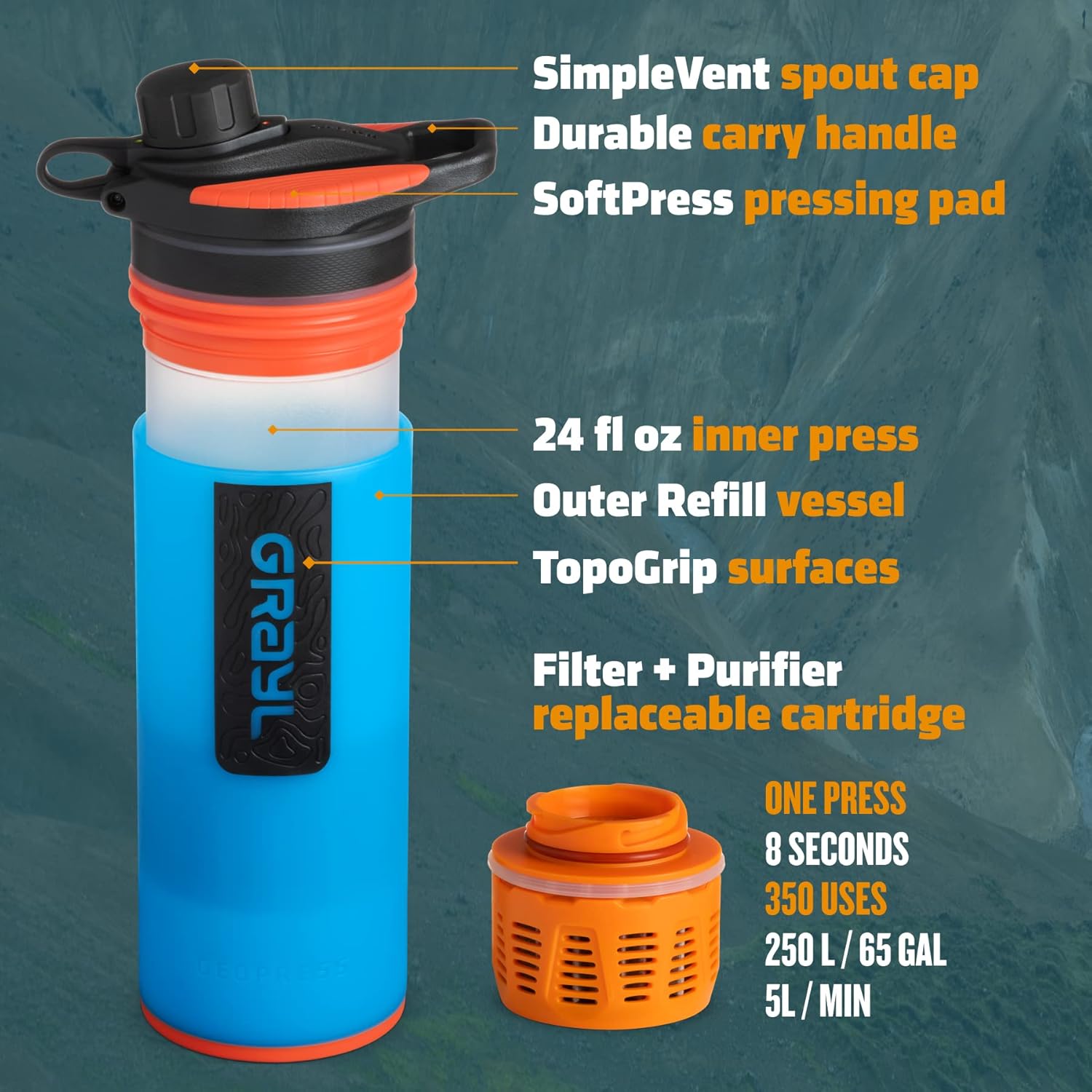
While calories are the primary focus for weight reduction, **lightweight backpacking nutrition** requires a balance of macronutrients to prevent muscle breakdown and maintain cognitive function. On a long-distance hike, your body undergoes constant repair. Protein is essential for muscle recovery, but carrying heavy protein sources like canned tuna is inefficient. Instead, look for foil pouches or dried protein powders that can be mixed into meals.
Carbohydrates provide the immediate energy needed for steep climbs, while fats provide the slow-burning fuel for long, flat sections. Electrolytes (sodium, potassium, magnesium, and calcium) are also critical. Sweat loss on the trail can lead to cramping and fatigue. Incorporating electrolyte powders into your water is a weight-efficient way to ensure your nervous system and muscles function correctly over hundreds of miles.
Dealing with Appetite Changes and Food Fatigue
One of the most difficult aspects of **ultralight thru hiking food** is “food fatigue.” After three weeks of eating the same peanut butter tortillas, many hikers find they can no longer stomach them. This leads to under-eating, which causes a rapid decline in energy and morale. To combat this, variety is essential. Rotate your flavor profiles—salty, sweet, spicy, and savory.
Additionally, “hiker hunger” usually kicks in after the first 10 to 14 days. This is a physiological shift where the body’s metabolism ramps up significantly. During this phase, your daily caloric needs may jump from 3,000 to over 5,000 calories. Planning for this increase is vital. If you don’t adjust your **ultralight food planning** to account for this surge, you will find yourself running out of food before the next town, leading to dangerous energy deficits.
Realistic Daily Food Weight Targets
A common question for those starting their **ultralight backpacking 2026** journey is: “How much should my food weigh per day?” While this varies based on body size and exertion levels, most ultralight hikers aim for 1.5 to 2.0 pounds of food per day. If your food bag for a 4-day trip weighs 12 pounds, you are likely carrying too much water-weight or low-calorie items.
Below is a sample comparison of two different daily menus to illustrate the weight-to-calorie efficiency.
| Menu Type | Sample Items | Total Weight | Total Calories |
|---|---|---|---|
| Standard Hiker | Oatmeal, Tuna Pouch, Bagel, Trail Mix, Mountain House Meal | 2.4 lbs | 3,100 |
| Ultralight Hiker | Granola w/ Nido, Tortilla w/ Nut Butter, Macadamia Nuts, Cold-Soak Beans w/ Oil | 1.6 lbs | 3,800 |
[Image Suggestion: A digital scale showing a small bag of food weighing exactly 1.5 lbs, next to a day’s worth of high-density snacks. Alt-text: Measuring daily food weight for ultralight backpacking food efficiency.]
Common Mistakes in Ultralight Backpacking Food
The most frequent mistake is overpacking. Fear of hunger leads hikers to carry “just in case” food. In reality, most people can comfortably finish a hike with zero food left in their bag. Another mistake is relying too heavily on sugar. While candy provides a quick burst, it leads to energy crashes. **Ultralight backpacking food** should focus on complex carbohydrates and fats for sustained power.
Finally, many hikers forget to test their meals at home. A meal that sounds good in your kitchen might be unpalatable after a 20-mile day in the rain. Testing **no cook ultralight meals** or cold-soak recipes before you hit the trail ensures that you will actually enjoy your food, which is just as important as the weight for long-term success.
Frequently Asked Questions
What is the best no cook ultralight meals for 2026?
The best options include instant couscous mixed with sun-dried tomatoes and olive oil, or dehydrated refried beans with taco seasoning and Fritos. These provide a high calorie-to-weight ratio and rehydrate in under 15 minutes.
How can I increase the calories in my trail meals without adding much weight?
The most effective way is to add fats. Carrying a small plastic dropper bottle of olive oil or packets of coconut oil can add 120 calories per tablespoon to any meal for negligible weight.
Is cold-soaking safe?
Yes, as long as you use clean, filtered water and clean your soaking container regularly. Avoid leaving food to soak in the sun for extended periods, as this can encourage bacterial growth.
How much protein do I really need on a thru-hike?
While fats and carbs are for energy, you should aim for 15-20% of your calories from protein to aid in muscle repair. Soy curls, protein powders, and nut butters are excellent lightweight sources.
What are the best lightweight meals on trail for cold weather?
In cold weather, a stove is often worth the weight. Look for quick-cook grains like instant rice or angel hair pasta, which require very little fuel to reach a boil and then can finish cooking in a pot cozy.
How do I prevent food from getting crushed in my pack?
Avoid fragile items like crackers or bread. Use tortillas, pita, or sturdy wraps. If you carry chips or crackers for calories, crush them beforehand into a powder to save space—they taste the same!
Can I maintain a vegan or keto diet while ultralight backpacking?
Absolutely. In fact, a keto diet is naturally aligned with **ultralight backpacking food** principles because it prioritizes high-fat, calorie-dense foods like nuts and oils. Vegan hikers can rely on nuts, seeds, and dehydrated legumes.
What is the “125-calorie rule”?
It is a guideline suggesting that every item in your food bag should have at least 125 calories per ounce. If an item is lower than this, it should be balanced out by something higher, like pure fat.
[Image Suggestion: A hiker sitting on a rock, pouring water into a cold-soak jar with a beautiful mountain vista in the background. Alt-text: Hikers enjoying no cook ultralight meals on the Pacific Crest Trail.]
Conclusion
Mastering **ultralight backpacking food** is a journey of refinement. It requires moving away from traditional camping habits and embracing a more calculated, data-driven approach to trail nutrition. By focusing on caloric density, minimizing packaging, and choosing the right preparation method for your hiking style, you can significantly reduce your pack weight and improve your overall experience on the trail. Whether you are attempting a weekend loop in the High Sierras or a 2,000-mile thru-hike, the principles of **food weight reduction** remain the same: simplify, densify, and enjoy.
In 2026, the options for lightweight nutrition are better than ever. From advanced freeze-drying techniques that preserve more nutrients to a wider availability of healthy, high-fat snacks, there is no reason to suffer through a heavy food bag or poor energy levels. Remember that the best food system is the one that you will actually use. If you hate cold-soaking, don’t force it just to save 10 ounces. Find the balance that allows you to feel strong, stay healthy, and keep your focus on the stunning landscapes around you rather than the weight on your shoulders.
As you plan your next adventure, take a hard look at your food bag. Could you swap that heavy jar for a lightweight pouch? Could you add a splash of olive oil to your dinner for an extra 200 calories? These small decisions are what separate a struggling hiker from one who glides effortlessly over the mountain passes. What’s your go-to lightweight meal on trail? Share your favorite ultralight food hack in the comments below!
[Image Suggestion: A flat-lay of a complete 3-day ultralight food carry, showing breakfast, lunch, dinner, and snacks neatly organized. Alt-text: Complete 3-day ultralight backpacking food layout for a 2026 section hike.]
