

There is a specific, bone-deep chill that only occurs when the temperature hovers just above freezing and a relentless, misty drizzle begins to saturate everything in sight. For many hikers on the Appalachian Trail or the Washington sections of the PCT, this is the ultimate test of gear and resolve. The misery of waking up to a damp quilt and the realization that every piece of clothing is slightly tacky with moisture can break even the most seasoned trekker. However, ultralight backpacking in rain and cold does not have to be a survival exercise in suffering. With the right systems and a deep understanding of moisture management, it is entirely possible to maintain safety and comfort while keeping a base weight under ten pounds.
The challenge of ultralight backpacking in rain and cold lies in the narrow margin for error. When the mercury drops and the humidity rises, the traditional ultralight approach of “bringing less” must evolve into “bringing smarter.” In 2026, the community has moved beyond simply shedding ounces; the focus is now on integrated systems where every piece of gear serves multiple purposes and manages moisture actively rather than passively. This article will provide a comprehensive roadmap for navigating wet and freezing conditions, covering everything from advanced shelter pitches and layering physics to the psychological shifts required to thrive in a temperate rainforest or a late-season mountain storm.
As we explore the nuances of ultralight backpacking 2026, we will examine why traditional waterproof strategies often fail and how modern materials have changed the way we approach lightweight rain protection. We will dive deep into ultralight layering systems, the physics of managing condensation ultralight shelters, and the specific cold weather ultralight setup adjustments needed to ensure a warm night’s sleep even when the ground is a saturated sponge. By the end of this guide, the prospect of a five-day forecast filled with rain icons will no longer be a reason to cancel a trip, but an opportunity to test a refined, high-performance system.
Why Rain and Cold are the Biggest Enemies of Ultralight Hikers
In dry conditions, an ultralight hiker can get away with many gear compromises. If a sleep system is slightly too thin, the sun will warm them the next morning. If they sweat through a shirt, it dries in thirty minutes on a pack. However, ultralight backpacking in rain and cold removes these safety nets. Water is approximately 25 times more thermally conductive than air. This means that once clothing or insulation becomes wet, it pulls heat away from the body at an alarming rate, leading quickly to the early stages of hypothermia.
The primary enemy is not just the rain falling from the sky, but the moisture generated from within. High-output activities like climbing a mountain pass generate significant metabolic heat and sweat. In cold, wet environments, the atmospheric pressure and high humidity prevent this sweat from evaporating. This creates a “wet-out” effect where the hiker becomes just as wet from their own perspiration as they would have been from the rain. Balancing this internal and external moisture is the core difficulty of ultralight wet weather hiking.
Furthermore, cold air holds less moisture than warm air. When warm, moist air inside a shelter hits a cold tent wall cooled by rain, it reaches its dew point instantly. This results in internal rain, or condensation, which can soak an ultralight down quilt in hours. Because down loses its loft when wet, the very gear meant to keep a hiker alive becomes a heavy, useless mass of feathers. Understanding these physical laws is the first step toward mastering the cold weather ultralight setup.
[Image Suggestion: A wide-angle shot of a misty, coniferous forest in the Pacific Northwest with a lone hiker visible in the distance under a grey sky. Alt-text: Ultralight backpacking in rain and cold conditions in a misty evergreen forest 2026.]
Core Principles of Ultralight Backpacking in Wet and Cold Conditions
The first principle of staying dry ultralight is the separation of active and static layers. One must accept that while hiking in the rain, they will likely be damp. The goal is not necessarily to stay perfectly dry—which is nearly impossible during high exertion—but to stay warm while damp and to ensure that a “dry sanctuary” is maintained for sleep. This requires a disciplined approach to gear management where “hiking clothes” and “sleeping clothes” never mix.
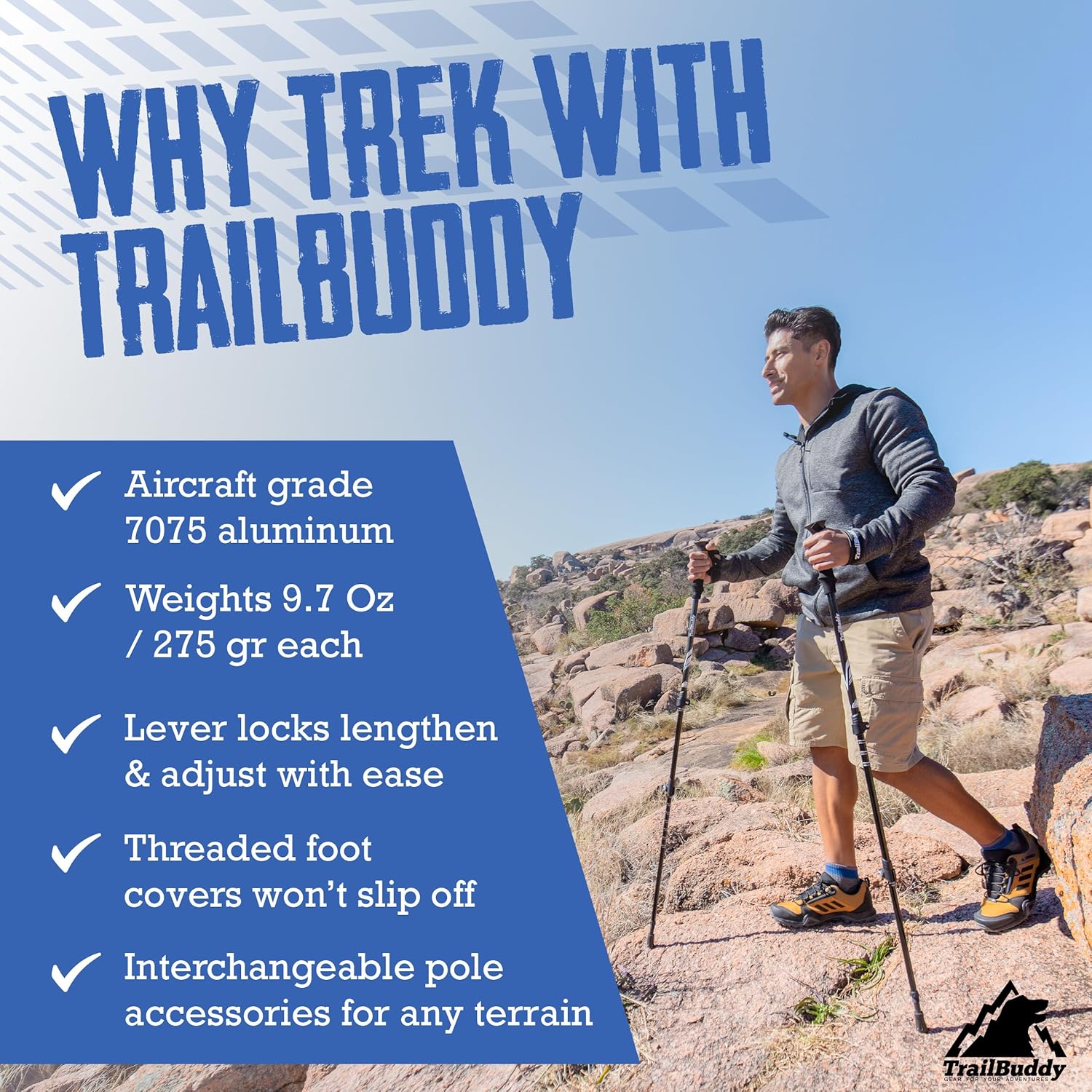
The second principle involves the mastery of site selection. In 2026, ultralight hikers are increasingly moving away from established, compacted campsites which often act as pools for rainwater. Instead, seeking out soft duff under thick tree canopies provides a natural umbrella, reducing the amount of water hitting the shelter and increasing the ambient temperature by a few degrees. This is a crucial part of ultralight shelter in rain management.
Finally, the principle of “dry efficiency” dictates that every transition—from hiking to camping—must be performed with minimal exposure. This means practicing pitch-first setups where the inner tent or living space stays dry while the outer shell is erected. It also means organizing the pack so that the rain gear ultralight users rely on is accessible without opening the main compartment of the pack, preventing the rest of the gear from getting splashed.
Shelter Strategies – Choosing and Using Ultralight Tents and Tarps
When ultralight backpacking in rain and cold, the shelter is the most critical piece of equipment for recovery. In 2026, the debate between single-wall and double-wall shelters remains, but the technology has shifted. Modern non-breathable composite fabrics have become the standard for their weight savings and lack of “sag” when wet, but they require expert pitch techniques to manage the inevitable condensation.
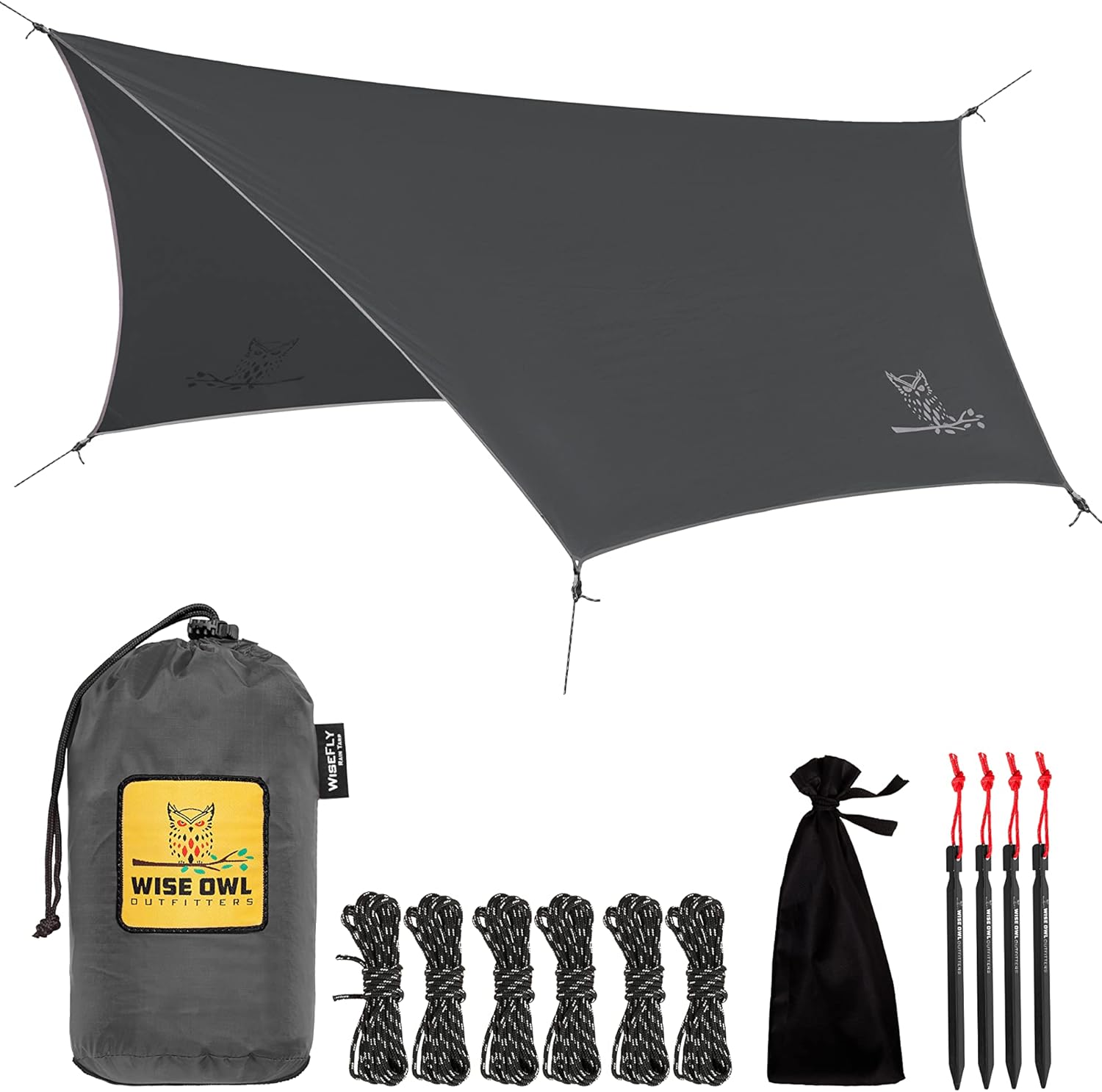
A flat tarp offers the most ventilation, which is the best defense against managing condensation ultralight. However, in cold, driving rain, a tarp requires a high level of skill to pitch in a “storm mode” that protects against splash-back. Many 2026 thru-hikers opt for mid-style shelters or “propped” pyramids that offer 360-degree protection while maintaining a gap at the bottom for airflow. The key is to ensure the shelter is pitched with the foot-end toward the wind to prevent rain from being driven into the living space.
Shelter Comparison for Wet and Cold Environments
| Shelter Type | Pros in Rain/Cold | Cons in Rain/Cold | Ideal Use Case |
|---|---|---|---|
| Double-Wall Tent | Separates hiker from condensation; warmer. | Heavier; outer fly stays wet and adds weight. | High humidity, low wind, beginners. |
| Single-Wall (Composite) | Extremely light; does not absorb water/sag. | Prone to condensation; can feel colder. | Experienced hikers; fast-and-light missions. |
| Flat Tarp + Bivy | Maximum airflow; modular. | Requires advanced pitch skills; less splash protection. | Variable conditions; forest hiking. |
[Image Suggestion: A close-up of a taut, translucent composite fiber tent with raindrops beading on the surface. Alt-text: High-tech ultralight shelter in rain showing water-shedding properties 2026.]
Managing Condensation and Staying Dry Inside Your Shelter
Condensation is often mistaken for a leaking tent. In ultralight backpacking 2026, the most successful hikers treat condensation as an environmental factor to be managed rather than a defect to be fixed. The primary cause of condensation is the temperature differential between the inside and outside of the fabric, combined with the moisture from the hiker’s breath and skin.
To mitigate this, always maximize ventilation. Even in the cold, keeping a vestibule door partially open or the peak vents fully deployed is essential. If the wind is not too severe, pitching the shelter slightly higher off the ground allows a cross-breeze to sweep away the moist air before it can cling to the ceiling. Additionally, carrying a small, highly absorbent synthetic cloth to wipe down the interior walls before bed and upon waking can prevent “internal rain” from dripping onto the sleep system.
Another 2026 trend is the use of a “top bag” or a lightweight synthetic over-quilt. Placing a very thin synthetic layer over a down quilt shifts the dew point (the location where moisture condenses) from inside the down into the synthetic layer. Since synthetic insulation maintains its loft when damp, this protects the expensive down from losing its warmth throughout the night, a vital tactic for staying warm lightweight.
Ultralight Layering Systems that Work in Cold and Wet Weather
The ultralight layering system for 2026 focuses on “moisture moving” rather than just “moisture blocking.” The goal is to create a gradient that pushes sweat away from the skin and toward the environment. This is typically achieved through a three-part system: a synthetic or wool-blend base layer, an active insulation mid-layer, and a high-performance shell.
- Base Layer: Avoid pure cotton at all costs. Modern 2026 fabrics often use bi-component knits that have a hydrophilic (water-loving) interior to pull sweat off the skin and a hydrophobic (water-fearing) exterior to spread it out for quick evaporation.
- Active Insulation: This is a layer designed to be worn while moving. It must be highly breathable. High-loft fleece or “active” synthetics are preferred over down for this role because they do not collapse when damp.
- The Shell: This is the lightweight rain protection layer. In 2026, many hikers choose between a mechanical venter (like a poncho) or a high-breathability membrane jacket. The key is that the shell must have pit zips or other physical ventilation to allow heat to escape.
When ultralight backpacking in rain and cold, the “static” layer—the heavy puffy jacket—must remain in the dry bag until the hiker is under the shelter. Putting a puffy on over damp hiking clothes while still in the rain is a recipe for a wet, cold night. The discipline to stay slightly chilly while moving to keep the insulation dry is a hallmark of an expert hiker.
[Image Suggestion: A diagram showing the three layers of an ultralight system: base, active mid-layer, and shell jacket. Alt-text: Ultralight layering system for cold weather hiking diagram.]
Rain Gear Choices – Ponchos, Jackets, and Umbrellas
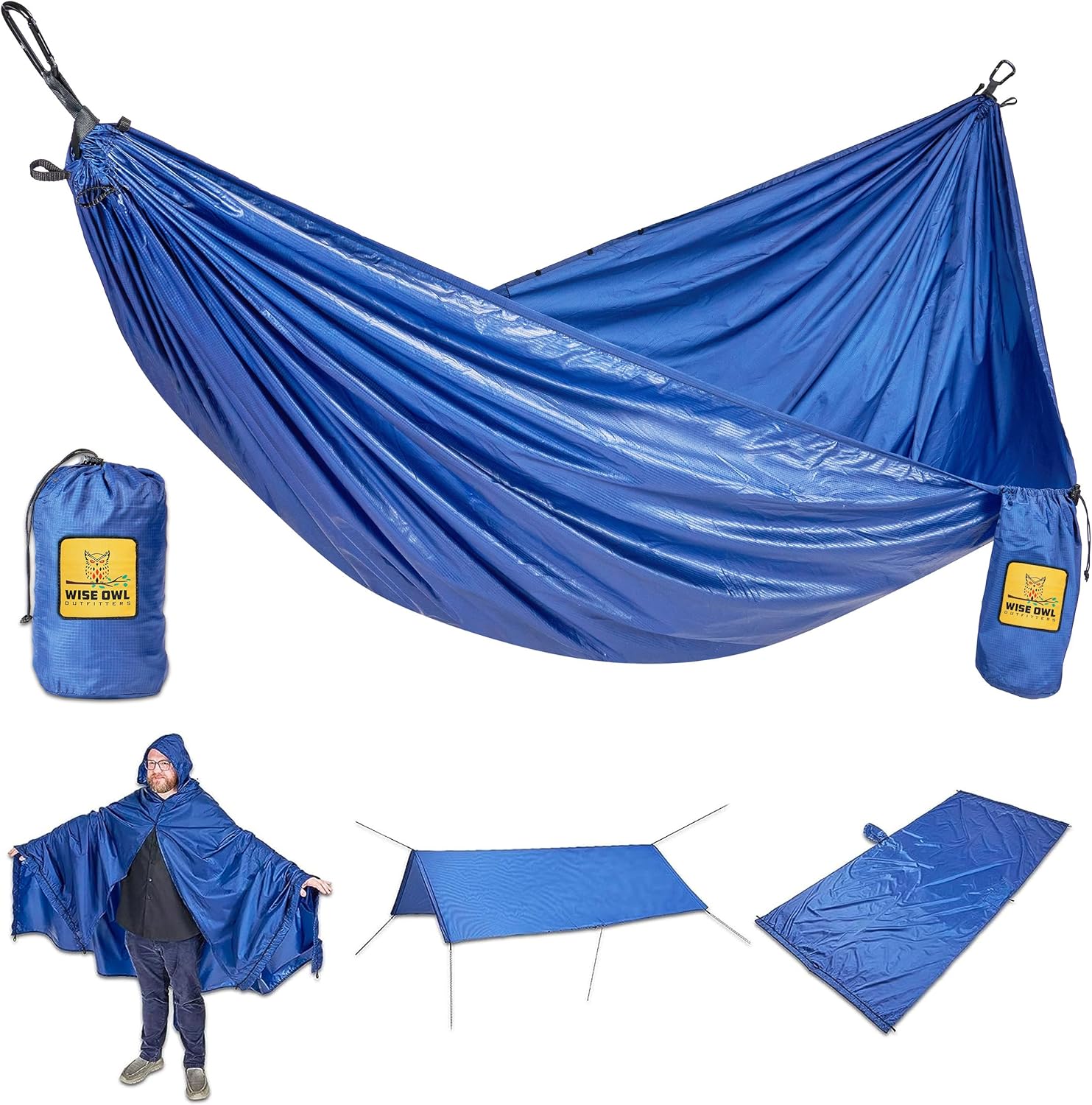
Choosing the right rain gear ultralight setup depends heavily on the environment. In the dense forests of the Appalachian Trail, a poncho can be a superior choice. It provides unmatched ventilation, covering both the hiker and the pack, which prevents the “chimney effect” of sweat rising up into a jacket. However, in the high-wind environments of the PCT or the Colorado Trail, a poncho becomes a sail, making it dangerous and ineffective.
Rain jackets in 2026 have improved significantly in terms of durability-to-weight ratios. The most effective ultralight wet weather hiking jackets now feature “permanent beading” surfaces that do not require a DWR (Durable Water Repellent) coating, which eventually wears off and causes the fabric to “wet out.” These jackets are slightly heavier but offer consistent performance in multi-day storms.
The ultralight umbrella is a polarizing but highly effective tool. For staying dry ultralight in vertical rain with low wind, an umbrella allows the hiker to keep their shell jacket open, drastically reducing sweat buildup. It also makes tasks like map reading or eating a snack much more pleasant in a downpour. However, it is a specialized tool that requires a hand to hold or a complex shoulder-strap attachment system.
Rain Gear Trade-offs
| Gear Item | Weight | Best For | Biggest Weakness |
|---|---|---|---|
| Technical Rain Jacket | 5–8 oz | High wind, alpine terrain. | Poor ventilation; sweat buildup. |
| Ultralight Poncho | 4–7 oz | Humid, forested trails (AT). | Useless in high winds; snag-prone. |
| Trekking Umbrella | 6–8 oz | Low wind, heavy rain, heat. | Difficult to use in brush or wind. |
[Image Suggestion: A hiker using an ultralight umbrella and a lightweight shell jacket while hiking on a mountain ridge. Alt-text: Hiker using an umbrella for lightweight rain protection on trail.]
Sleep System Adjustments – Quilts, Pads, and Liners
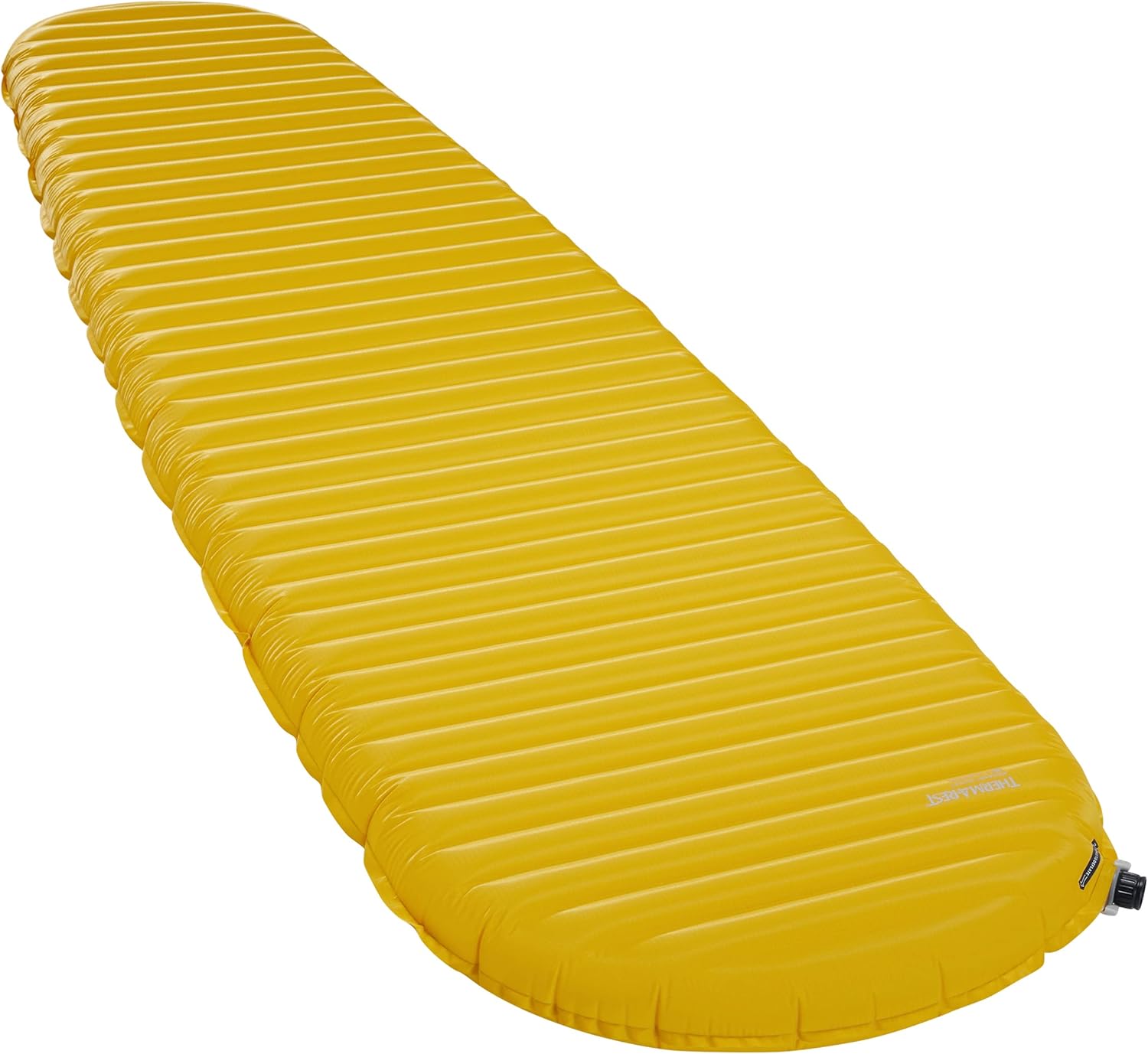
The sleep system is the final line of defense in a cold weather ultralight setup. When the ground is cold and wet, the R-value of the sleeping pad becomes more important than the weight of the quilt. Conductive heat loss to the frozen or saturated ground will drain body heat faster than the air will. In 2026, hikers should look for pads with an R-value of at least 4.0 for three-season wet/cold use.
Quilts are the preferred choice for stay warm lightweight strategies, but they require care in damp weather. A quilt with a water-resistant shell fabric can help protect the insulation from condensation. If using down, ensure it is treated with a hydrophobic coating, which allows the clusters to maintain loft longer when exposed to moisture. However, for consistently rainy environments like the Pacific Northwest, a synthetic quilt is often the safer, albeit slightly heavier, choice.
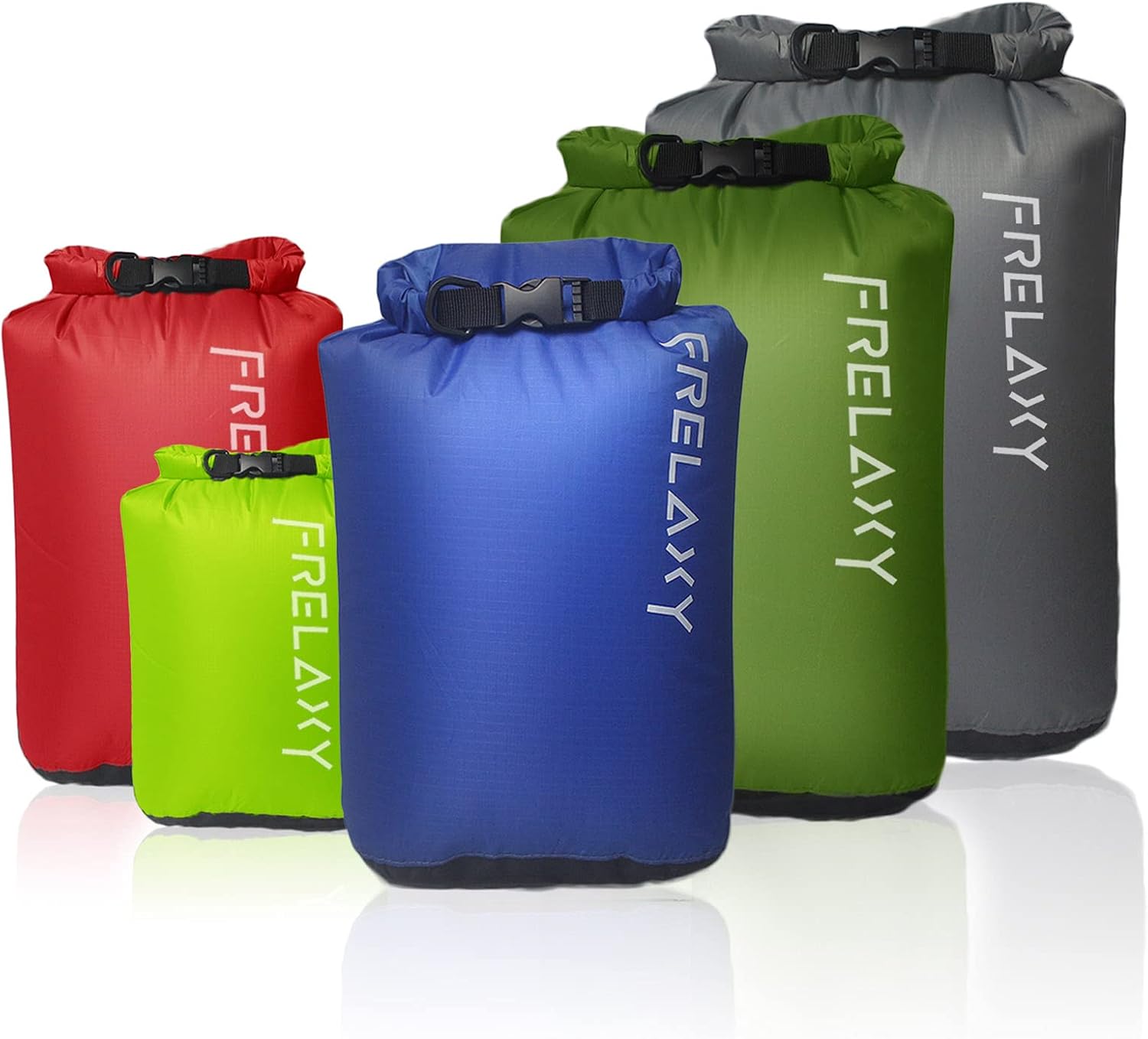
A silk or lightweight synthetic liner can add a few degrees of warmth and, more importantly, keep body oils and trail grime off the quilt. In a stay dry ultralight strategy, the liner also acts as a final barrier, absorbing any residual skin moisture before it can reach the main insulation. Always keep the sleep system in a dedicated, waterproof dry bag—never rely solely on a pack liner.
Footwear, Socks, and Foot Care in Constant Rain
The 2026 consensus on ultralight backpacking in rain and cold footwear has shifted away from waterproof boots. While a waterproof membrane (like a boot liner) keeps water out for the first hour, once water inevitably enters through the large hole where the leg goes, the membrane keeps the water *in*. This leads to “maceration,” where the skin becomes soft, white, and prone to painful blisters and infections.
Instead, most ultralight hikers use highly breathable trail runners that drain and dry quickly. To stay warm lightweight, they pair these with thin wool socks and, in near-freezing conditions, waterproof socks or neoprene liners. This “wet suit” approach for the feet allows the skin to stay warm even when the shoes are saturated. The key is to have a dedicated pair of dry “camp socks” that never leave the shelter.
Foot care is non-negotiable in wet weather. Applying a thick layer of wax-based balm or petroleum jelly to the feet every morning creates a hydrophobic barrier on the skin, significantly reducing the risk of maceration. During long breaks, removing shoes and socks to let the skin air out—even if it’s just for ten minutes—can prevent a trip-ending injury.
[Image Suggestion: A close-up of a hiker’s feet in trail runners crossing a shallow, wet stream in the rain. Alt-text: Trail runners for ultralight wet weather hiking 2026.]
Common Mistakes and How Experienced Hikers Avoid Them
One of the most frequent mistakes in ultralight backpacking in rain and cold is “hunkering down” too early without enough calories. Digestion creates internal heat. Experienced hikers know that when the weather turns, they must increase their caloric intake, specifically fats and complex carbohydrates, to keep their internal furnace burning. Eating a large snack before bed is a key tactic for staying warm lightweight.
Another mistake is the “fear packing” of extra dry clothes. Instead of carrying three spare shirts, an expert hiker carries one high-quality set of sleep clothes and focuses on the *technique* of keeping them dry. Carrying extra weight only slows the hiker down, increasing the time spent in the elements and leading to greater fatigue, which is a precursor to poor decision-making and hypothermia.
Finally, many hikers fail to manage their “microclimate.” They wait too long to put on a rain shell or forget to take it off when the sun makes a brief appearance. Constantly adjusting layers—venting zips, removing hats, or putting on gloves—is the only way to prevent the sweat-soaked state that makes ultralight cold weather hiking so dangerous. The “be bold, start cold” mantra is essential; if one is warm at the trailhead, they will be sweating within ten minutes.
Realistic Ultralight Setups for Three-Season Wet/Cold Hiking
A successful ultralight backpacking 2026 setup for rain and cold is a symphony of gear. It starts with a frameless or lightweight framed pack lined with a heavy-duty waterproof bag. Inside, a 20-degree down or synthetic quilt is compressed at the bottom. The shelter is stored in an external pocket so it can be accessed and pitched without opening the main pack, keeping the interior dry.
For clothing, the hiker wears a synthetic sun hoody (which works surprisingly well as a base layer) and running shorts or wind pants. A high-quality rain jacket is kept in the pack’s outer mesh. This setup allows for rapid adaptation. If a storm hits, the jacket goes on. if the temperature drops, a fleece is added. This modularity is the essence of lightweight rain protection.
In 2026, we also see more hikers utilizing “active” vapor barriers in extremely cold and wet conditions. While advanced, wearing a non-breathable layer close to the skin prevents insensible perspiration from migrating into the insulation. While this can feel clammy, it is a highly effective way of managing condensation ultralight hikers use when survival is the priority over total comfort.
[Image Suggestion: An organized gear layout (flat lay) showing a 2026 ultralight kit specifically for rain: composite tent, quilt in dry bag, rain shell, and wool socks. Alt-text: 2026 ultralight backpacking gear layout for rain and cold.]
Frequently Asked Questions
What is the best rain gear ultralight for 2026?
The best gear depends on the wind. For high-wind alpine environments, a technical shell with a permanent beading surface is best. For low-wind, high-humidity forests, a lightweight poncho offers superior ventilation to prevent sweating.
How do I keep my down quilt dry in 100% humidity?
Use a combination of site selection (under trees), maximum shelter ventilation, and a thin synthetic over-quilt to move the dew point outside of your down insulation.
Are waterproof boots better than trail runners for rain and cold?
Generally, no. Trail runners drain and dry faster. In cold rain, pair them with waterproof or neoprene socks to keep the skin warm while allowing the shoe to breathe.
How can I stay warm lightweight when I stop moving?
Immediately put on your dry “static” insulation (puffy jacket) and get inside your shelter. Eat high-calorie foods to jumpstart your metabolic heat production.
What is the most common cause of condensation in ultralight shelters?
Lack of airflow. When warm breath hits a cold tent wall, it liquefies. Keep your vents open and your vestibules unzipped whenever possible.
Is it worth carrying an umbrella for ultralight backpacking?
Yes, in low-wind environments. It allows you to vent your rain jacket and keeps your face and gear dry during tasks like map reading or eating.
How do I manage wet clothes in a small ultralight tent?
Store wet rain gear in the vestibule. Never bring dripping clothes into the main sleeping area. Use a small absorbent towel to wipe down any moisture that enters.
What R-value do I need for cold weather ultralight setup?
Aim for an R-value of 4.0 or higher. Cold, wet ground will strip your body heat much faster than the air will.
Conclusion
Mastering ultralight backpacking in rain and cold is a transition from being a passenger of the weather to being a participant in the environment. It requires a move away from the “waterproof” mindset—which is often a fallacy—and toward a “moisture management” mindset. By understanding the physics of heat loss, the behavior of modern materials, and the discipline of keeping a dry sanctuary, hikers can navigate the most challenging conditions the United States’ long trails have to offer.
The 2026 approach to ultralight backpacking 2026 is not about suffering; it is about using intelligence and refined systems to maintain comfort. It is about knowing that even if your shoes are soaked and the mist is thick, your quilt is dry, your stove is ready, and your layering system is working exactly as designed. This confidence allows you to see the beauty in a storm-lashed ridge or a rain-soaked forest, rather than just the discomfort.
As you plan your next shoulder-season trek or prepare for the unpredictable weather of the high Sierras or the Cascades, remember that your gear is only as good as your knowledge of how to use it. Practice your pitches, refine your layering, and embrace the damp. What’s your biggest challenge with rain and cold on trail? Share your tips and experiences in the comments below to help the community grow even stronger in 2026.
