
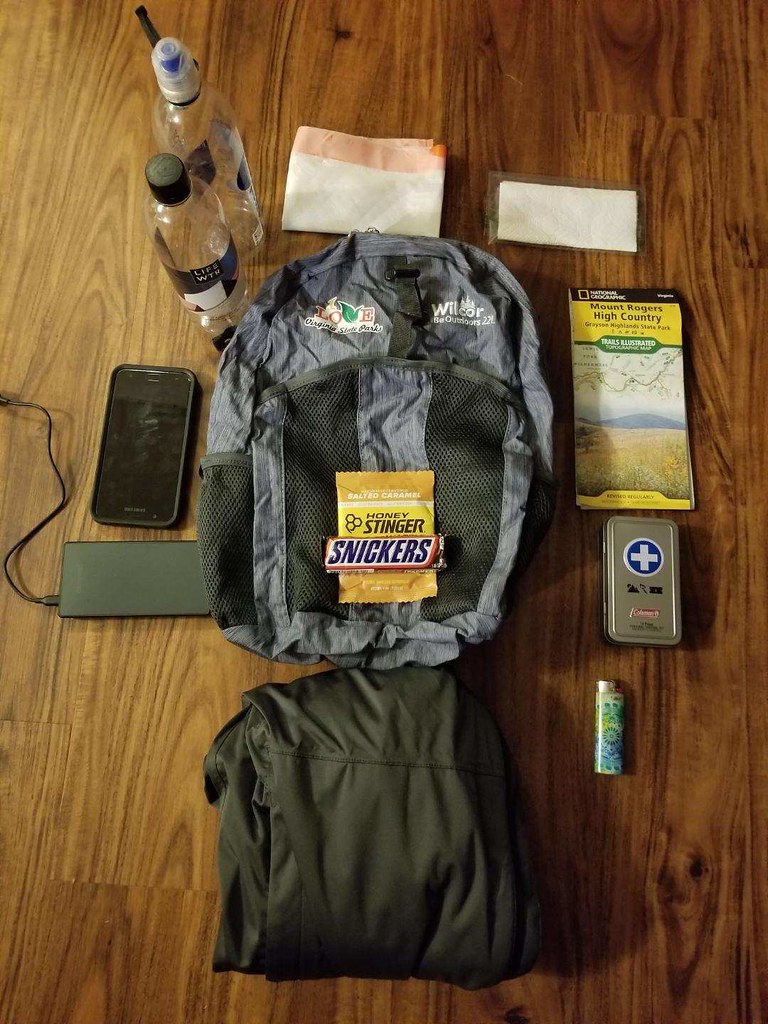
The dread of a low-battery notification while navigating a remote section of the High Sierra or the deep woods of the Appalachian Trail is a modern hiker’s unique form of anxiety. As we move into 2026, the reliance on digital tools for navigation, communication, and safety has reached an all-time high. However, the weight of these devices often contradicts the fundamental philosophy of moving light and fast. Mastering ultralight electronics is no longer just about carrying fewer items; it is about optimizing a cohesive system where every gram serves a multi-functional purpose. In the current landscape of long-distance trekking, the goal is to eliminate the ‘brick’ in the backpack—that heavy, oversized power bank or the tangle of unnecessary cables—and replace it with a streamlined, efficient power ecosystem. This guide explores the cutting-edge strategies for maintaining power on the trail without compromising the lightweight integrity of a thru-hiking kit.

The evolution of backpacking technology has brought us to a point where a single smartphone can replace a dedicated GPS, a camera, a library of books, and a personal locator beacon. Yet, this consolidation creates a single point of failure and a significant power drain. Understanding how to manage ultralight electronics requires a balance between energy density, charging speed, and environmental factors like temperature and sun exposure. Whether planning a 2,600-mile journey on the PCT or a weekend loop in the White Mountains, the principles of weight reduction remain the same. By the end of this analysis, hikers will have a roadmap for building a 2026-ready electronics suite that weighs less than a pound while providing enough energy for week-long stretches between town resupplies. We will dive into the nuances of battery chemistry, the efficiency of modern lighting, and the reality of solar power in various trail environments.
Why Electronics Weight Adds Up Fast
It is rarely the primary device that weighs down a hiker; rather, it is the ‘accessory creep.’ A smartphone might weigh 7 ounces, but when paired with a heavy-duty protective case, a 20,000 mAh power bank, a wall plug with multiple ports, and three different proprietary cables, the total weight can easily exceed two pounds. In the world of ultralight electronics, every component must be scrutinized. By 2026, the standardization of USB-C across almost all platforms has helped, but many hikers still carry ‘just in case’ items that never leave the bottom of their electronics dry bag.
Consider the cumulative weight of redundant items. Two different headlamps, an extra set of wired earbuds, and a backup battery for a camera can add up to the weight of a lightweight shelter. The key to a thru hike electronics list is integration. If a device does not serve at least two purposes—or if its function can be performed by another device already in the kit—it should be reconsidered. The goal is to reach a state of ‘functional minimalism’ where the hiker has exactly what is needed for safety and documentation, and not a gram more.
Core Principles of Ultralight Electronics
The foundation of a modern ultralight electronics setup rests on three pillars: integration, efficiency, and weight-to-capacity ratio. Integration means choosing devices that work together seamlessly, such as a headlamp that charges via the same cable as the phone. Efficiency refers to how well a device retains and uses its charge. For example, using battery efficient navigation techniques can extend a phone’s life from 24 hours to four days without needing a recharge.
Weight-to-capacity ratio is the most critical metric for the ultralight hiker. In 2026, we see power banks utilizing carbon fiber shells and high-density lithium-polymer cells that offer significantly more milliamp-hours (mAh) per ounce than the aluminum-clad bricks of five years ago. A top-tier setup focuses on the ‘Big Three’ of trail tech: the primary interface (phone), the energy storage (power bank), and the illumination (headlamp). By optimizing these three, a hiker can eliminate 40-60% of traditional electronics weight.
Phone as Primary Device: Battery Efficient Navigation
The smartphone is the heart of the 2026 trail experience. With integrated satellite messaging now standard in most flagship models, the need for separate satellite communicators has diminished for many. However, using a phone for battery efficient navigation is an art form. The primary drain on a phone isn’t the GPS itself, but the screen brightness and the background search for cellular signals.
To master an offline phone setup, hikers must download all necessary maps, town guides, and permit documents before leaving trailheads. Once on trail, the phone should remain in Airplane Mode 100% of the time, with Bluetooth and Wi-Fi disabled. Modern GPS chips do not require cellular data to function. By keeping the screen timeout short and the brightness low, and only checking the map at key junctions rather than keeping it open while walking, a hiker can achieve minimal phone charging on trail. This discipline allows for smaller, lighter power banks to be carried, as the daily ‘burn rate’ of energy is drastically reduced.
[Image: A hiker holding a smartphone displaying a detailed topographic map in a forest setting – Alt Text: ultralight electronics and battery efficient navigation on trail 2026]
Power Banks and Strategies for Ultralight Power Bank Hiking
When it comes to ultralight power bank hiking, the 10,000 mAh capacity remains the ‘sweet spot’ for most thru-hikers. This capacity generally provides 1.5 to 2.5 full charges for a modern smartphone, which is sufficient for 4-6 days on trail under disciplined use. In 2026, the best power banks feature ‘Pass-Through’ charging and Power Delivery (PD) protocols, allowing both the bank and the phone to charge at maximum speeds when a hiker finally reaches a town outlet.
Weight management in this category involves looking at the shell material. Carbon fiber reinforced polymers have replaced heavy plastics, bringing a 10,000 mAh bank down to approximately 5.3 ounces. For longer stretches like the 100-Mile Wilderness or the CDT, some may opt for a 20,000 mAh unit, but it is often lighter to carry a single 10,000 mAh bank and supplement it with better ultralight battery management. Always choose a bank with a single USB-C port that acts as both input and output to save the weight of extra circuitry and ports.
Table 1: Electronics Weight vs. Function Comparison
| Category | Standard Setup (Weight) | Ultralight Setup (Weight) | Weight Saved |
|---|---|---|---|
| Power Bank (10k) | 9.5 oz (Plastic/Alum) | 5.3 oz (Carbon Fiber) | 4.2 oz |
| Headlamp | 3.5 oz (AAA Batteries) | 1.1 oz (Rechargeable) | 2.4 oz |
| Wall Charger | 4.0 oz (Multi-port) | 1.2 oz (GaN Single/Dual) | 2.8 oz |
| Cables | 2.5 oz (Long/Multiple) | 0.6 oz (Short/Universal) | 1.9 oz |
| Total | 19.5 oz | 8.2 oz | 11.3 oz |
Lighting: Lightweight Headlamp and Area Illumination
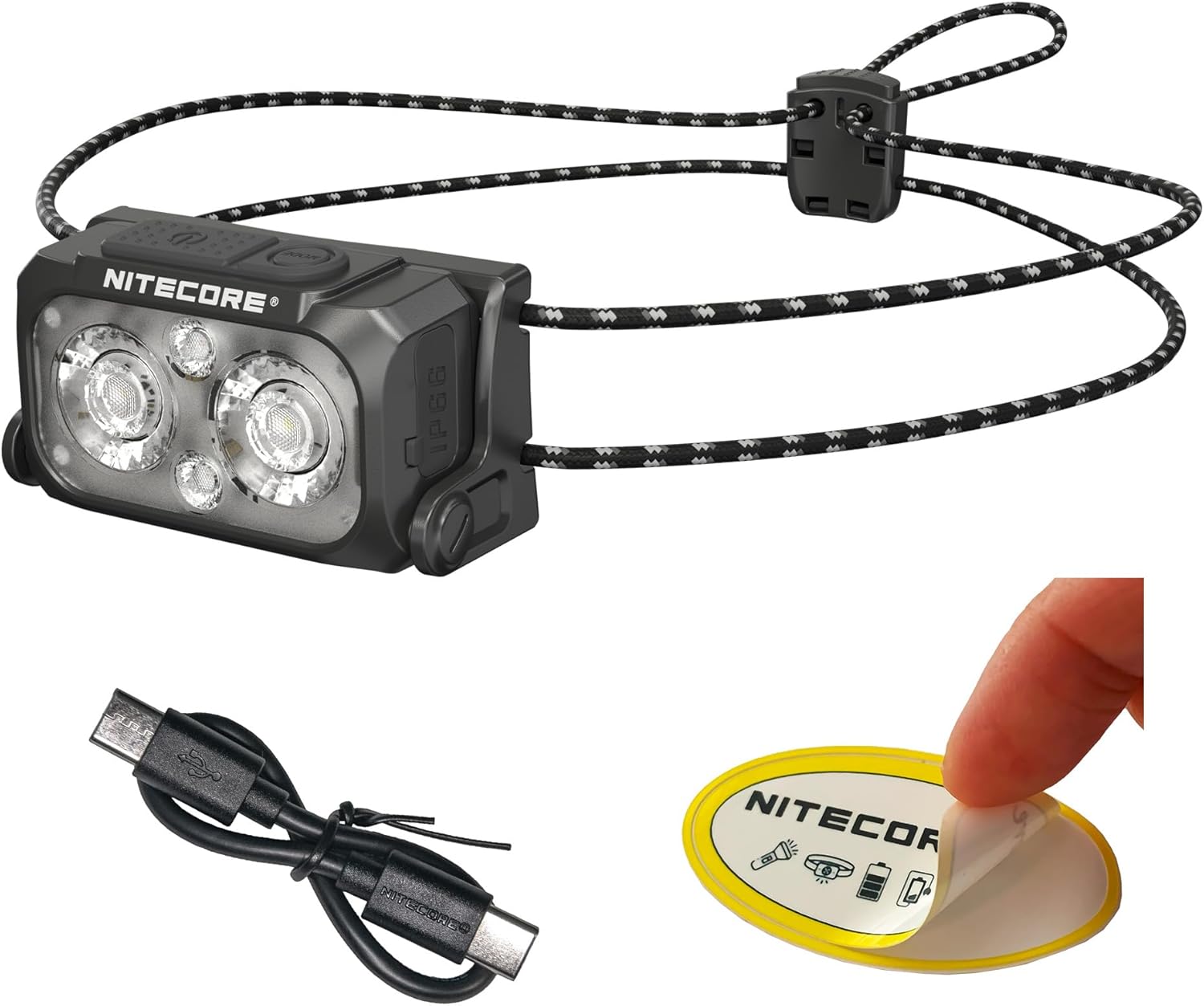
The transition from alkaline batteries to integrated lithium-ion cells has revolutionized lightweight lighting hiking. A modern lightweight headlamp in 2026 should weigh no more than 1.5 ounces including the headband. These units are often rechargeable via USB-C, eliminating the need to carry spare AAA batteries—a significant weight win.
For most hikers, a headlamp with a maximum output of 200-300 lumens is plenty, provided it has a functional ‘low’ or ‘eco’ mode of 5-10 lumens for around-camp tasks. Red light modes are essential for preserving night vision and saving battery. Some ultralight enthusiasts have even moved toward tiny ‘bivy lights’ or clip-on lights that weigh less than half an ounce, though a dedicated headlamp remains a safety requirement for night hiking or emergency navigation. The key is to avoid ‘lumen chasing’; 1000 lumens is unnecessary for trail use and drains batteries at an unsustainable rate.
[Image: A small, sleek rechargeable headlamp resting on a piece of lightweight gear – Alt Text: lightweight headlamp for ultralight electronics setup 2026]
Solar Charging: Realistic Performance in 2026
The ultralight solar charger has seen incremental improvements in efficiency, but its utility remains highly dependent on geography. On the PCT through the desert or the high-exposure ridges of the CDT, a 5-watt to 10-watt flexible solar panel can be a viable part of an ultralight electronics strategy. However, in the ‘Green Tunnel’ of the AT, solar is often dead weight due to the dense canopy.
In 2026, the most effective solar setups are ‘non-integrated.’ This means the solar panel is a separate, thin sheet that clips to the top of the pack, charging a small buffer battery or the main power bank throughout the day. Integrated solar power banks (where the panel is glued to the battery) are generally inefficient and prone to overheating. If choosing solar, look for monocrystalline panels with high conversion rates (22%+) and avoid any setup that requires direct phone-to-panel connection, as fluctuating current can damage phone batteries.
Ultralight Battery Management and Maintenance
Effective ultralight battery management is as much about behavior as it is about gear. Temperature is the greatest enemy of lithium batteries. In 2026, hikers are encouraged to sleep with their electronics in their sleeping bags when temperatures drop below 40°F. Cold temperatures cause internal resistance to rise, leading to rapid (and sometimes permanent) capacity loss. Keeping a power bank close to the body during the day also ensures it stays at an optimal operating temperature.
Another aspect of management is ‘shallow cycling.’ Lithium-ion batteries prefer to stay between 20% and 80% charge. While not always possible on trail, avoiding complete drains and avoiding leaving a device at 100% on a charger for hours can extend the lifespan of your expensive ultralight electronics. Furthermore, using short, high-quality cables reduces resistance and ensures that the maximum amount of energy reaches the device rather than being lost as heat.
Table 2: Battery-Saving Checklist for Offline Phone Setup
| Action Item | Impact on Battery Life | Priority |
|---|---|---|
| Airplane Mode (Always On) | Very High | Critical |
| Lower Screen Brightness (<25%) | High | Critical |
| Close Background Apps | Medium | High |
| Disable ‘Raise to Wake’ | Low | Medium |
| Use Dark Mode (OLED screens) | Medium | High |
| Download Offline Maps | High (prevents data search) | Critical |
Redundancy and Backup: The Safety Margin
In the pursuit of ultralight electronics, one must not sacrifice safety. Redundancy should be logical, not duplicative. For instance, if your phone is your primary map, your ‘backup’ shouldn’t necessarily be a second phone. Instead, a paper map and a tiny button compass provide a zero-battery fail-safe. If your headlamp fails, your phone’s flashlight can get you through a night in camp, but it is not a primary navigation tool.
For communication, the 2026 trend of satellite-enabled smartphones provides a great primary layer. However, for extreme solo thru-hikes, a dedicated, minimalist satellite messenger (weighing ~3.5 oz) provides a separate battery and a more robust antenna. This ‘layered’ approach to redundancy ensures that even if a power bank fails or a cable shorts out, the hiker can still navigate and signal for help. The thru hike electronics list should always include a small, 0.5 oz wall plug as a backup if the main high-speed charger is lost or broken.
[Image: A compact electronics kit organized in a small DCF dry bag – Alt Text: thru hike electronics list and organized power setup 2026]
Common Mistakes in Trail Electronics
One of the most frequent errors is carrying ‘vampire’ cables—long, poor-quality cords that leak energy. Another is the use of high-capacity power banks (30,000+ mAh) which are not only heavy but often exceed TSA limits for those flying to trailheads. Furthermore, many hikers fail to test their offline phone setup before leaving. They assume maps are cached only to find they have no detail once the cell signal vanishes at the trailhead.
Over-reliance on solar is another pitfall. A hiker might carry an ultralight solar charger but find that their pace or the trail’s orientation keeps the panel in the shade for 90% of the day. In 2026, the most successful hikers are those who treat their power bank as their primary reservoir and town outlets as their primary source, using solar only as a supplemental ‘trickle’ in ideal conditions. Finally, ignoring port hygiene is a common cause of failure. Pocket lint in a USB-C port can prevent charging; a simple port cover or regular cleaning is essential ultralight battery management.
Realistic Weight Targets for Different Trips
What constitutes a ‘good’ weight for ultralight electronics? For a weekend warrior, the setup might be as light as 6 ounces (phone + tiny 5k mAh bank + cable). For a thru-hiker on the Continental Divide Trail, where town stops are infrequent, a 12-14 ounce setup is more realistic. This includes a 10k or 20k bank, a dual-port wall charger, and safety devices.
The ‘S-Tier’ of ultralight setups usually lands right around 10 ounces. This includes a carbon-fiber 10,000 mAh bank (5.3 oz), a 30W GaN wall charger (1.2 oz), a minimalist headlamp (1.1 oz), and two 6-inch reinforced cables (0.8 oz), with the remaining weight in a small DCF (Dyneema) dry bag. This setup provides enough power for a 5-day stretch with aggressive battery efficient navigation and documentation.
Table 3: Estimated Battery Needs by Trip Duration
| Trip Duration | Recommended Capacity | Est. Total Electronics Weight |
|---|---|---|
| 1–2 Days | 5,000 mAh | 4–6 oz |
| 3–5 Days | 10,000 mAh | 8–11 oz |
| 6–10 Days | 20,000 mAh (or 10k + Solar) | 14–18 oz |
| Thru-Hike (Varies) | 10,000 mAh (Standard) | 9–12 oz |
Frequently Asked Questions (FAQ)
How do I keep my phone battery alive for 5 days?
To achieve minimal phone charging on trail, use Airplane Mode, keep brightness low, and limit ‘screen-on time.’ Use your phone primarily for quick navigation checks and essential communication. An offline phone setup is mandatory to prevent the battery from draining while searching for a signal.
Is an ultralight solar charger worth the weight in 2026?
Only in high-exposure environments like the desert or high alpine plateaus. For most trails in the Eastern US, the weight of a solar panel is better spent on a higher-capacity power bank. In 2026, solar is a niche tool for specific geographies.
What is the best lightweight headlamp for night hiking?
Look for a lightweight headlamp that offers at least 200 lumens, weighs under 1.5 oz, and features a tilt function. It should have a reliable ‘lock’ mode to prevent it from turning on in your pack and draining the battery.
Why is my power bank charging so slowly in town?
You likely need a GaN (Gallium Nitride) wall charger with a higher wattage output. In 2026, a 30W or 45W charger can refill a 10,000 mAh bank in about 90 minutes, whereas a standard old phone brick might take 5 hours.
Can I use my phone as my only navigation tool?
While battery efficient navigation on a phone is reliable, you should always have a backup. This can be a small dedicated GPS, a second device, or—best of all—paper maps. Electronics can fail due to moisture, drops, or software glitches.
How do cold temperatures affect my ultralight electronics?
Cold increases internal resistance. Always sleep with your power bank and phone inside your sleeping bag to keep them warm. This is a core part of ultralight battery management during shoulder season or high-altitude hikes.
What cables should I include in my thru hike electronics list?
Focus on short (6–12 inch) high-quality USB-C cables. Avoid ‘multi-head’ cables unless they are from a reputable manufacturer, as they often have higher failure rates and slower charging speeds.
Is 10,000 mAh enough for a PCT thru-hike?
For most hikers, yes. With a 2026 offline phone setup, a 10,000 mAh bank provides enough for 4-5 days. If you take a lot of 4K video or use high-drain apps, you may need to bump up to a 20,000 mAh unit or improve your efficiency.
Conclusion
The landscape of ultralight electronics has shifted from simply carrying less to carrying smarter. In 2026, the integration of satellite technology into our primary devices and the advancement of high-density power storage have allowed us to shed significant weight without losing the safety net that modern technology provides. By focusing on a lightweight headlamp, a carbon-fiber power bank, and a disciplined offline phone setup, hikers can navigate the most challenging trails in the USA with confidence.
The key to success is testing. Every hiker’s power needs are different. Some may find that they rarely touch their phone, while others may be documenting their journey for a global audience. Regardless of the category, the principles of ultralight battery management remain constant: protect your gear from the elements, manage your settings to reduce drain, and choose the most energy-dense components available. As you refine your thru hike electronics list, remember that every ounce you remove from your back is an ounce of energy you can put into the miles ahead. The evolution of gear continues, but the goal remains the same: to be present in the wilderness, supported by technology rather than burdened by it.
What’s your minimal electronics setup for 2026? Have you found a way to cut even more weight from your power system? Share your tips and kit lists below!
