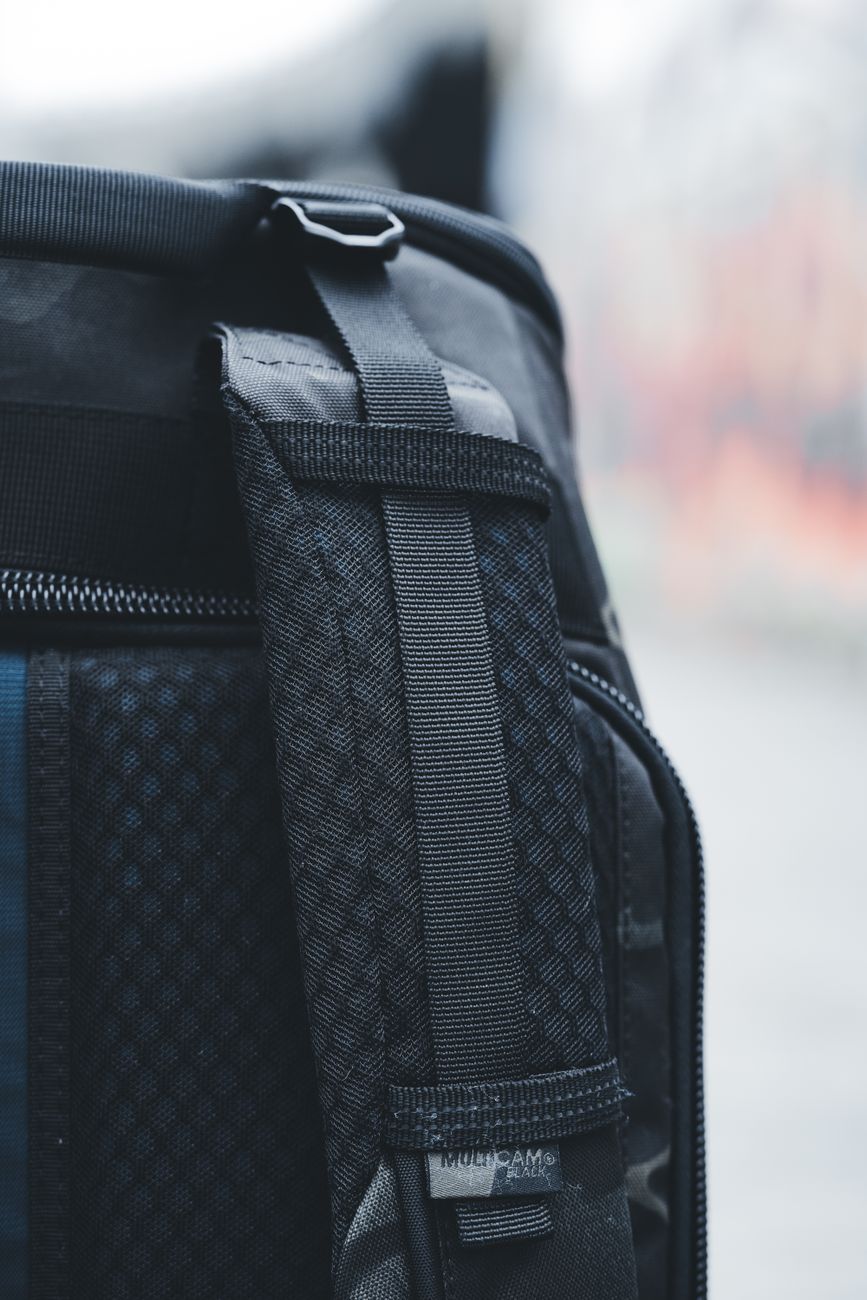
If you have spent more than five minutes in the ultralight backpacking community, you have encountered the word Dyneema. It is spoken of in hushed, reverent tones, usually accompanied by a price tag that makes your wallet ache. The question every hiker eventually asks while staring at a $700 shelter or a $350 backpack is simple: Is Dyneema worth it for backpacking? The short answer is: yes, but only if your specific style of hiking demands the extreme performance-to-weight ratio that only this material can provide. For the average weekend warrior or the budget-conscious traveler, the answer is almost certainly no. This isn’t just about weight; it is about a fundamental shift in how you treat your gear and what you expect from your time on the trail.
The debate often centers on weight savings versus cost, but that is a reductive way to look at it. To truly understand if this space-age fabric belongs in your kit, we have to look past the marketing hype and into the gritty reality of the backcountry. Dyneema is not a magic bullet that makes hiking easier; it is a specialized tool. Like any specialized tool, it excels in a narrow band of conditions and fails spectacularly when used outside of its intended purpose. If you are chasing a sub-10-pound base weight, Dyneema is practically a requirement. If you are looking for a tent that will survive a decade of casual use and rough handling by kids or pets, Dyneema is a waste of money.
What is Dyneema (and Why Does the UL World Obsess Over It)?
To understand the value, you have to understand the material. What we call “Dyneema” in the backpacking world is usually Dyneema Composite Fabric (DCF), formerly known as Cuben Fiber. It was originally developed for high-performance racing sails in the America’s Cup. The material consists of a grid of Ultra-High Molecular Weight Polyethylene (UHMWPE) fibers—Dyneema—laminated between two thin layers of polyester film.
The reason it is a staple in ultralight gear is that UHMWPE fibers are, pound for pound, 15 times stronger than steel. This allows manufacturers to create a fabric that is incredibly thin and light while maintaining a high tensile strength. Unlike traditional woven fabrics like nylon or polyester, DCF is a non-woven laminate. This means it doesn’t stretch, it doesn’t absorb water, and it is inherently waterproof without the need for chemical coatings that eventually peel or wear off. In the context of a 2,000-mile thru-hike, these properties aren’t just luxuries; they are functional advantages that change how you manage your pack and your camp.
The Pros: Why You Might Pay the “Dyneema Tax”
The primary reason anyone buys Dyneema is the weight. A two-person DCF tent can weigh under 20 ounces, whereas a high-end silnylon equivalent will likely hover around 30 to 40 ounces. When you are climbing 3,000 feet in a single push, those 20 ounces feel like a heavy burden lifted from your shoulders. But the benefits go beyond the scale.
Zero Stretch and Easy Pitching
One of the most frustrating aspects of silnylon tents is “mist stretch.” When nylon gets wet, it expands. You set up a perfect pitch at 6:00 PM, a light rain starts at 8:00 PM, and by 10:00 PM, your tent is sagging and flapping in the wind, forcing you to get out and re-tension the lines. Dyneema has zero stretch. Once you pitch it, it stays taut regardless of temperature or humidity. This structural rigidity also helps the shelter shed wind and snow more effectively than a sagging nylon counterpart.
The Waterproof Nature
Traditional fabrics are treated with silicone or polyurethane to make them waterproof. Over time, these coatings can degrade. More importantly, the fabric fibers themselves can still soak up water weight. A silnylon tent can easily gain a pound of water weight just by being packed up wet. DCF is non-absorbent. You can shake it off, give it a quick wipe with a bandana, and it’s essentially dry. This prevents the dreaded “wet-tent-in-the-pack” syndrome that adds unnecessary weight to your load the morning after a storm.
High Tensile Strength
You can’t easily rip DCF. If you try to pull it apart with your hands, it won’t budge. This high tensile strength allows ultralight tents to maintain their integrity even under high wind loads that might snap the threads of a lower-denier nylon tent. It provides a sense of security when you’re camped on an exposed ridgeline and the wind starts to howl.
The Brutal Cons: Where Dyneema Falls Short
If Dyneema were perfect, everyone would use it. It isn’t. The downsides are significant and often ignored by gear junkies who are blinded by the weight savings. If you are considering the switch, you need to be brutally honest about these limitations.
The Prohibitive Cost
Let’s call it what it is: Dyneema is expensive. A DCF backpack can cost $350, and a tent can easily clear $800. You are often paying double the price of high-end nylon gear to save a few ounces. For many hikers, that money would be better spent on more days off work to actually hike, or on higher-quality food for the trail. The “cost per ounce saved” is higher with Dyneema than with almost any other gear upgrade.
Abrasion and Puncture Concerns
While Dyneema has incredible tensile strength (it won’t pull apart), its abrasion resistance is mediocre. The thin polyester films that sandwich the Dyneema fibers can be worn down by constant rubbing. If you drag a DCF pack across sharp granite or push through dense brush (bushwhacking), you will see the fabric start to “fuzz” or develop micro-punctures. It is also susceptible to punctures from sharp sticks or thorns. While it is incredibly easy to repair with DCF tape, the fact remains that it is more fragile in high-friction scenarios than a heavy-duty Cordura or even a decent 20D ripstop nylon.
Bulk and Packability
Dyneema does not compress well. Because of the laminate structure, it is relatively stiff. A silnylon tent can be stuffed into a tiny corner of your pack, filling the voids between other gear. A DCF tent must be rolled carefully to avoid creating permanent creases that can eventually lead to delamination. It takes up significantly more volume in your pack than a nylon tent of the same size. If you have a small-volume pack, switching to a Dyneema tent might actually force you to buy a larger pack just to fit the shelter.
Real Use Cases: Is Dyneema Worth It for You?
The worth of Dyneema is entirely dependent on the user. It is not a universal upgrade. Based on thousands of miles of trail experience, here is who should and shouldn’t invest.
Who SHOULD Buy Dyneema
The Thru-Hiker: When you are living out of your pack for five months on the PCT or AT, gear weight is a matter of physical health. Reducing your base weight with a DCF shelter and pack reduces the strain on your joints and increases your daily mileage. The time saved in not having to re-tension a wet tent or wait for gear to dry is also a massive quality-of-life improvement.
The Sub-10 lb Specialist: If you are an experienced ultralighter who has already optimized your sleep system and kitchen, and you’re looking to shave those final few ounces to hit a target base weight, Dyneema is the logical next step. At this level of gear optimization, you likely have the skills to handle the material with the care it requires.
Who SHOULD NOT Buy Dyneema
The Beginner: If you are just starting out, do not buy Dyneema. You don’t yet know what you like in a gear setup. You are more likely to be rough on your equipment, and a $700 mistake is a hard pill to swallow. Buy mid-range gear, learn how to camp, and see if you even enjoy the hobby before dropping two months’ rent on a tent.
The Budget-Conscious Weekend Warrior: If you only get out three or four times a year for two-night trips, the weight savings of Dyneema will have a negligible impact on your experience. You are better off carrying an extra pound and keeping $400 in your bank account.
The Bushwhacker: If your idea of fun is off-trail navigation through thickets and over rock scrambles, Dyneema is not for you. You will shred a DCF pack in a single season. Stick to high-denier nylon or specialized fabrics like Ultra or heavy-duty polyester.
Comparison: Dyneema vs. Silnylon vs. Polyester
In the current market, the main competitors to Dyneema are Silnylon and Silpoly (Silicone-coated Polyester). Silnylon is the old guard. It is cheap, very durable for its weight, and packs down incredibly small. However, it sags when wet and eventually absorbs water. If you are on a budget, silnylon is still the king of value.
Silpoly has gained massive popularity recently. It offers the non-stretch benefits of Dyneema and doesn’t absorb water as much as nylon, but it is much cheaper than DCF. It is heavier than Dyneema but lighter than many traditional nylons. For many, Silpoly is the “Goldilocks” material—offering 80% of the performance of Dyneema at 40% of the cost.
When comparing a Dyneema backpack to a high-end polyester or nylon pack, the difference is often in the structure. Dyneema packs are almost always frameless or have very minimal frames. If you are carrying more than 25-30 pounds, a traditional pack with a robust suspension system will actually feel lighter on your back than a frameless Dyneema pack, even if the Dyneema pack weighs two pounds less on the scale. Weight savings mean nothing if the carry is uncomfortable.
Is It Worth It? The Final Verdict
Yes, Dyneema is worth it if your primary goal is the absolute lowest base weight possible, you are an experienced hiker who treats gear with care, and you have the disposable income to prioritize ounces over durability and cost. It is a specialized tool for high-mileage days and extreme weight optimization.
No, Dyneema is not worth it if you are looking for a “buy it for life” item, you hike in abrasive environments, you are on a budget, or you are a casual hiker who doesn’t mind an extra pound or two. For most people, the performance gains do not justify the astronomical price increase over modern polyester or nylon alternatives.
Frequently Asked Questions
Does Dyneema last long?
In terms of structural integrity, yes. It won’t rot or degrade chemically. However, in terms of “trail life,” a DCF tent is generally rated for one full thru-hike (about 2,500 miles) before the laminate starts to show significant wear or delamination. A silnylon tent can often last much longer if cared for.
Is Dyneema overhyped?
Slightly. It is an incredible material, but the marketing often makes it sound indestructible. It is “strong” in terms of tension, but “vulnerable” in terms of abrasion. Understanding that distinction is key to avoiding disappointment.
Is it worth it for beginners?
Almost never. Beginners should focus on fitness, skills, and finding the right fit for their gear before investing in premium materials. Start with used gear or mid-range options to learn what features you actually need.
Ultimately, the decision to go with Dyneema comes down to your philosophy of the trail. If you view your gear as a consumable tool meant to facilitate the highest possible mileage with the least amount of physical strain, then Dyneema is the pinnacle of current technology. It allows for a level of freedom and agility that heavier fabrics simply cannot match. But if you value the longevity of your investment and the ability to toss your pack onto a granite slab without a second thought, you will find more value elsewhere. The best gear is the gear that disappears once you start walking, and for some, the peace of mind of a more durable, cheaper fabric is worth more than the few ounces saved by the world’s most expensive plastic. Choose the tool that matches your hike, not the one that matches the trend.
Internal linking suggestions:
- How to transition to an ultralight backpacking kit
- Top 5 ultralight shelters for thru-hiking the PCT
- Silnylon vs Silpoly: Which budget fabric is right for you?