Most backpackers carry too much weight. It’s a hard truth, but if you look at the average weekend warrior on a trailhead in the White Mountains or the Sierras, they are likely lugging 35 to 45 pounds for a simple two-night stay. This overpacking stems from a ‘just in case’ mentality—the fear that a missing gadget or an extra fleece will lead to disaster. In reality, heavy packs lead to sore knees, exhausted lungs, and a focus on the ground rather than the landscape. For a 3-day hike, there is absolutely no reason your base weight (the weight of your gear excluding food, water, and fuel) should exceed 12 pounds. In fact, hitting a 10-pound base weight is the ‘sweet spot’ where comfort meets performance.
This guide provides a definitive ultralight backpacking packing list for a 3-day hike. We aren’t talking about survivalist minimalism or cutting the handle off your toothbrush to save 0.2 grams. We are talking about a calculated, high-performance gear selection that allows you to cover more miles with less fatigue. By following this structure, you will transform your hiking experience from a grueling physical chore into an effortless glide through the wilderness.
The Foundations of Ultralight Hiking
Before we dive into the specific gear, we need to define ‘Base Weight.’ Your base weight includes everything in your pack that doesn’t get consumed. It excludes your water, your trail mix, and your stove fuel. Why focus on base weight? Because consumables fluctuate. Your base weight is the constant burden you carry. A 3-day hike is the perfect testing ground for an ultralight setup because you only need to carry two nights’ worth of food, making your total pack weight (TPW) incredibly manageable—usually under 20 pounds fully loaded.
The Ultralight Backpacking Packing List: Core Categories
To achieve a sub-12-pound base weight, you must address the ‘Big Three’: your pack, your shelter, and your sleep system. These are the heaviest items you own. If you get these right, the rest of the list falls into place easily.
1. The Backpack
In the ultralight world, your pack is the last thing you buy, not the first. You need to know the volume and weight of your gear before choosing the vessel. For a 3-day hike, a volume of 40 to 50 liters is plenty.
- Weight Range: 24–32 oz (1.5–2 lbs).
- Example Type: A roll-top pack made from Robic nylon or Ultra fabric with a minimal frame or a removable foam back panel.
- Why: Traditional internal frame packs often weigh 4–5 pounds on their own. By switching to a streamlined UL pack, you save 3 pounds before you’ve even put a single item inside.
2. The Shelter
Forget the heavy, double-walled freestanding tents sold at big-box retailers. For a 3-day trip, you want something that utilizes the trekking poles you’re already carrying.
- Weight Range: 16–30 oz (1–1.9 lbs).
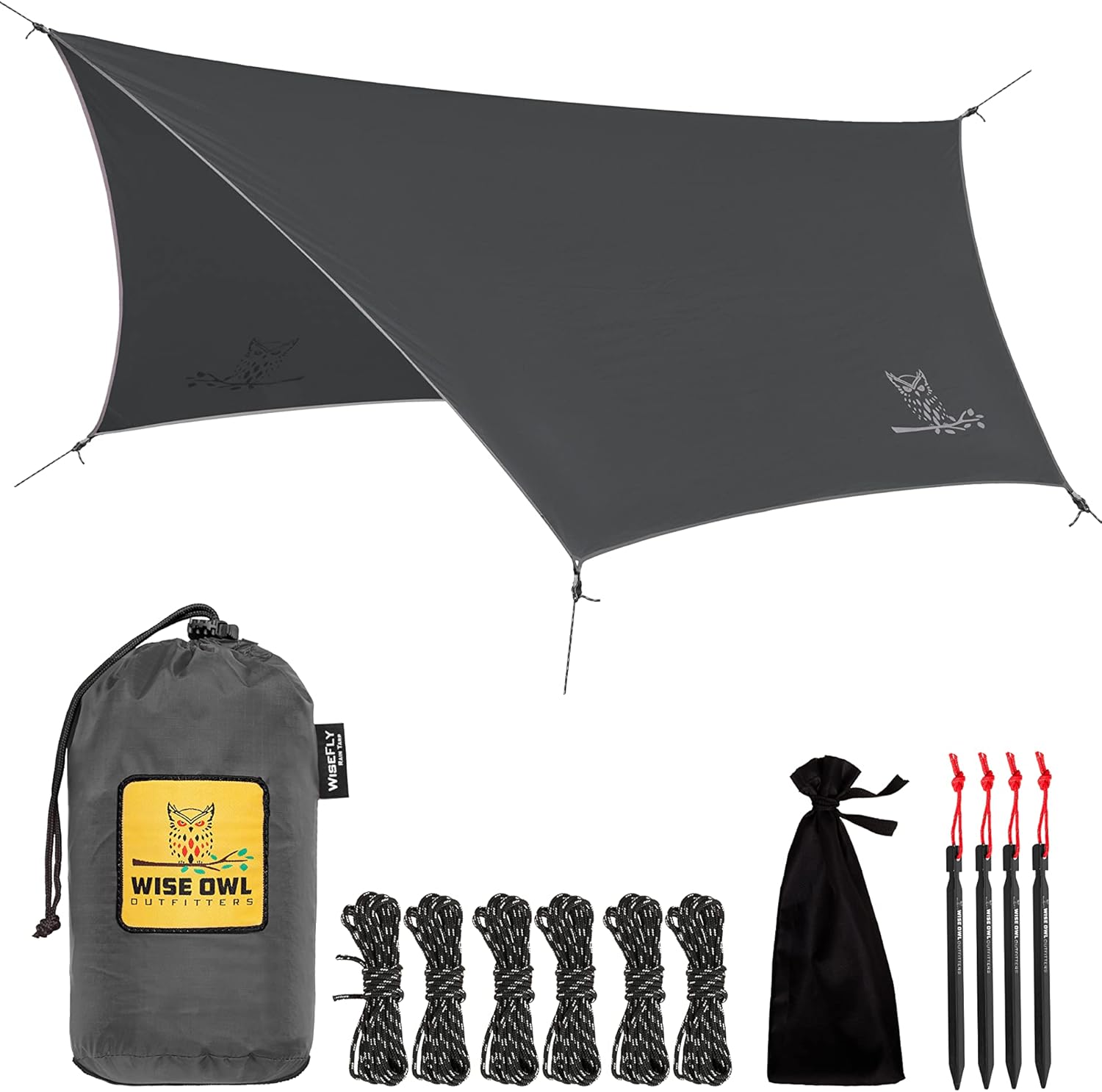
- Example Type: A single-wall trekking pole tent or a modular tarp and bivy system.
- Why: Using your trekking poles as tent poles eliminates the need for heavy fiberglass or aluminum poles. Modern DCF (Dyneema) or Silpoly fabrics are incredibly waterproof and weigh a fraction of traditional materials.
3. The Sleep System
The goal here is warmth-to-weight ratio. The traditional mummy bag is often overkill for 3-season hiking because the insulation you lay on is compressed and becomes useless.
- The Quilt: 20°F or 30°F down quilt (18–24 oz). A quilt saves weight by removing the hood and the back fabric, using your sleeping pad for underside insulation.
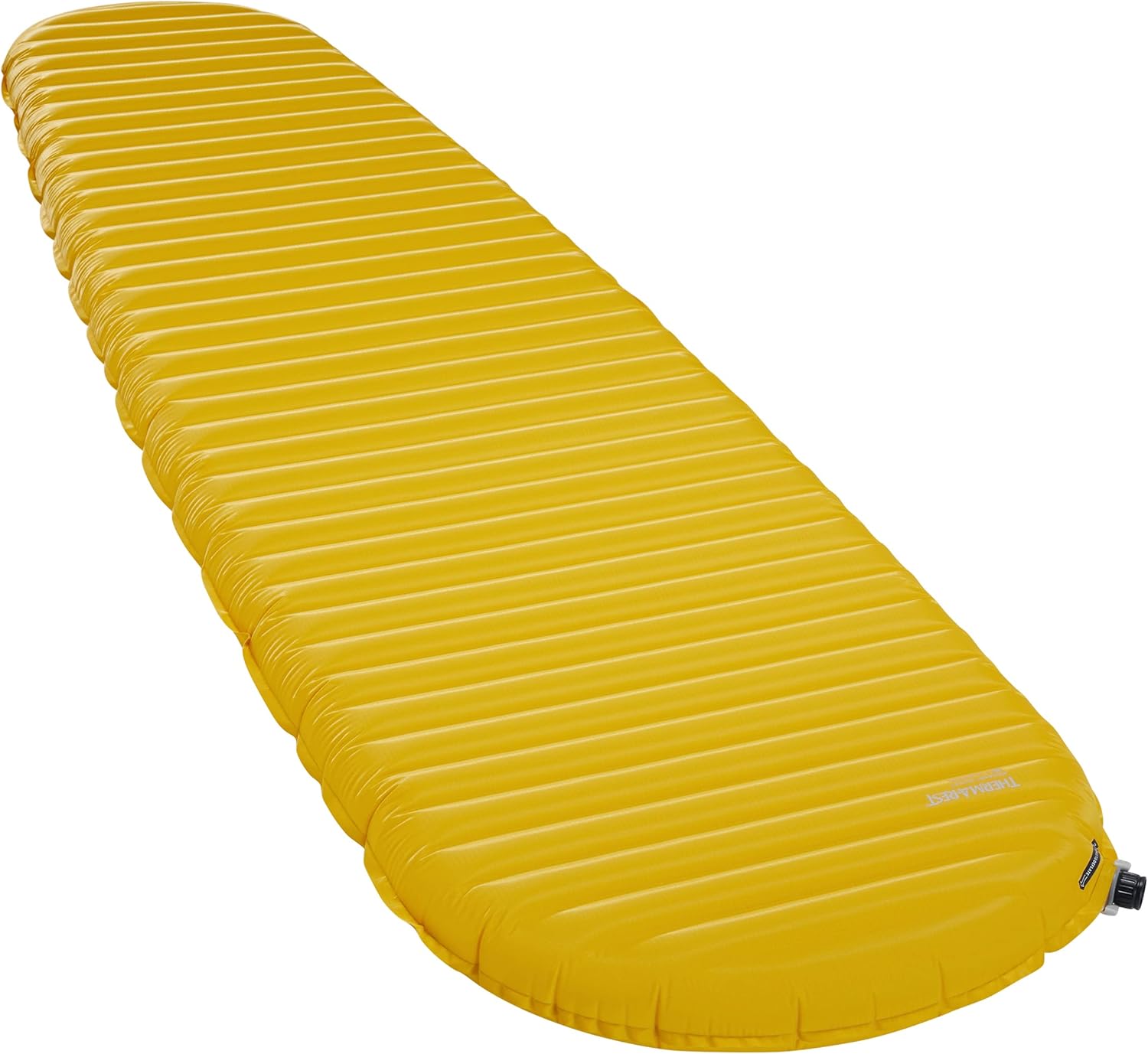
- The Pad: Inflatable insulated pad with an R-value of 3.0 or higher (12–16 oz).
- Why: A quilt provides more freedom of movement and packs down to the size of a large grapefruit.
4. The Clothing System (Layering)
The biggest mistake is bringing ‘camp clothes.’ You only need what you are wearing and a few specific layers for when the sun goes down.
- Worn: Synthetic sun hoody, running shorts with liners, wool socks, and trail runners.
- Insulation: A high-fill power down puffy jacket (8–12 oz). This is your primary warmth layer.
- Rain Shell: A lightweight waterproof-breathable jacket (6–9 oz). This doubles as a windbreaker.
- Sleep Layers: A dedicated pair of lightweight merino wool leggings and a long-sleeve top (used only for sleeping to keep your quilt clean).
- Extra Socks: One spare pair of wool socks for hiking, one pair dedicated to sleeping.
5. Cooking and Water System
If you aren’t a gourmet chef on the trail, keep it simple. Most ultralight hikers only need to boil water for dehydrated meals.
- Stove: Small canister stove (e.g., BRS-3000T) or a small integrated system (2–3 oz).
- Pot: 550ml to 750ml titanium pot with a lid (3–4 oz).
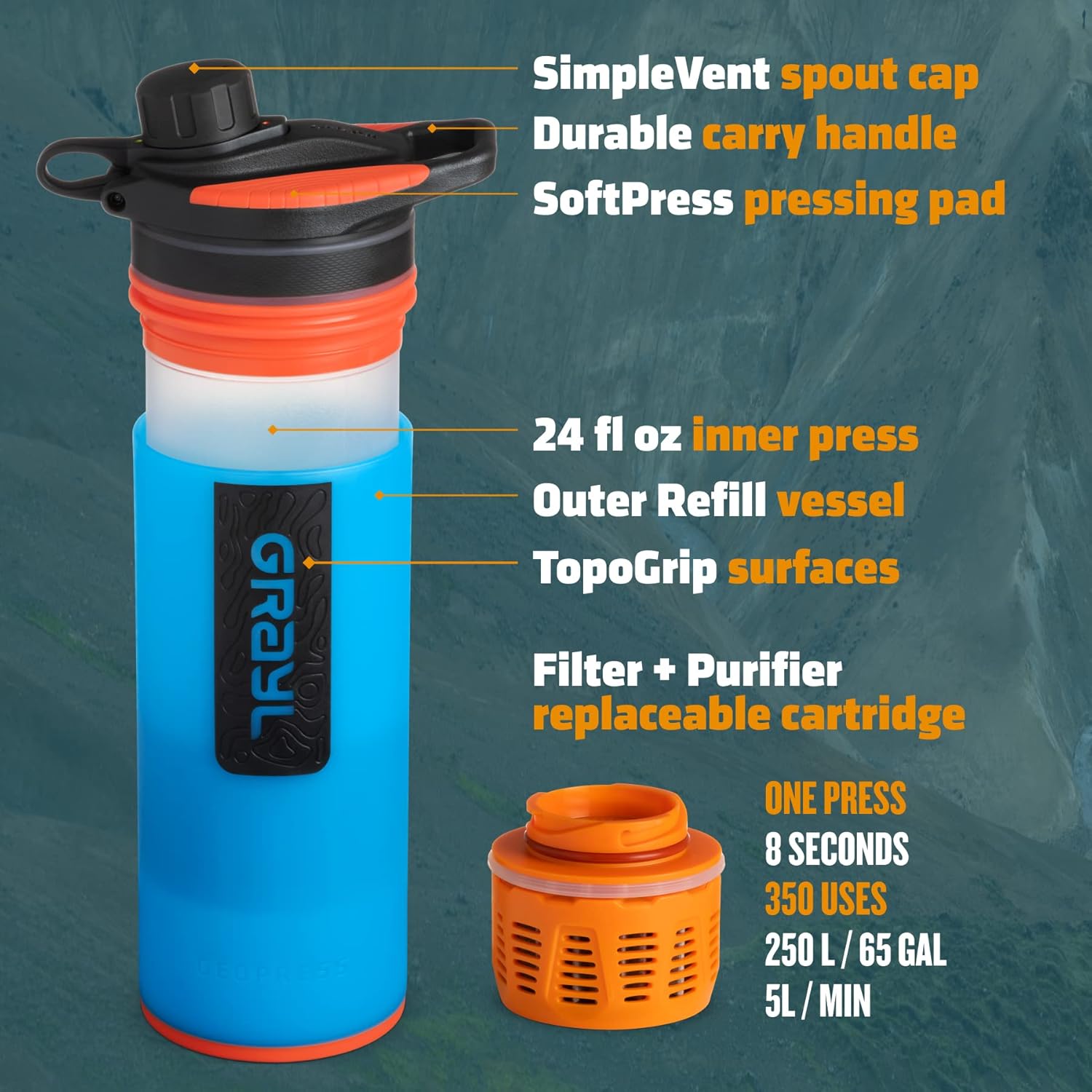
- Water Filtration: A hollow-fiber filter like the Sawyer Squeeze (3 oz) paired with two 1-liter plastic water bottles (SmartWater bottles are the industry standard for their durability and slim profile).
- Why: Titanium is lighter than aluminum and more durable. SmartWater bottles are lighter and more ergonomic than Nalgene bottles.
6. Safety and Emergency Gear
Never compromise safety for weight, but be smart about it. You don’t need a 2-pound first aid kit for a 3-day hike.
- First Aid: Leukotape (for blisters), ibuprofen, a few bandages, and antiseptic wipes (2 oz).
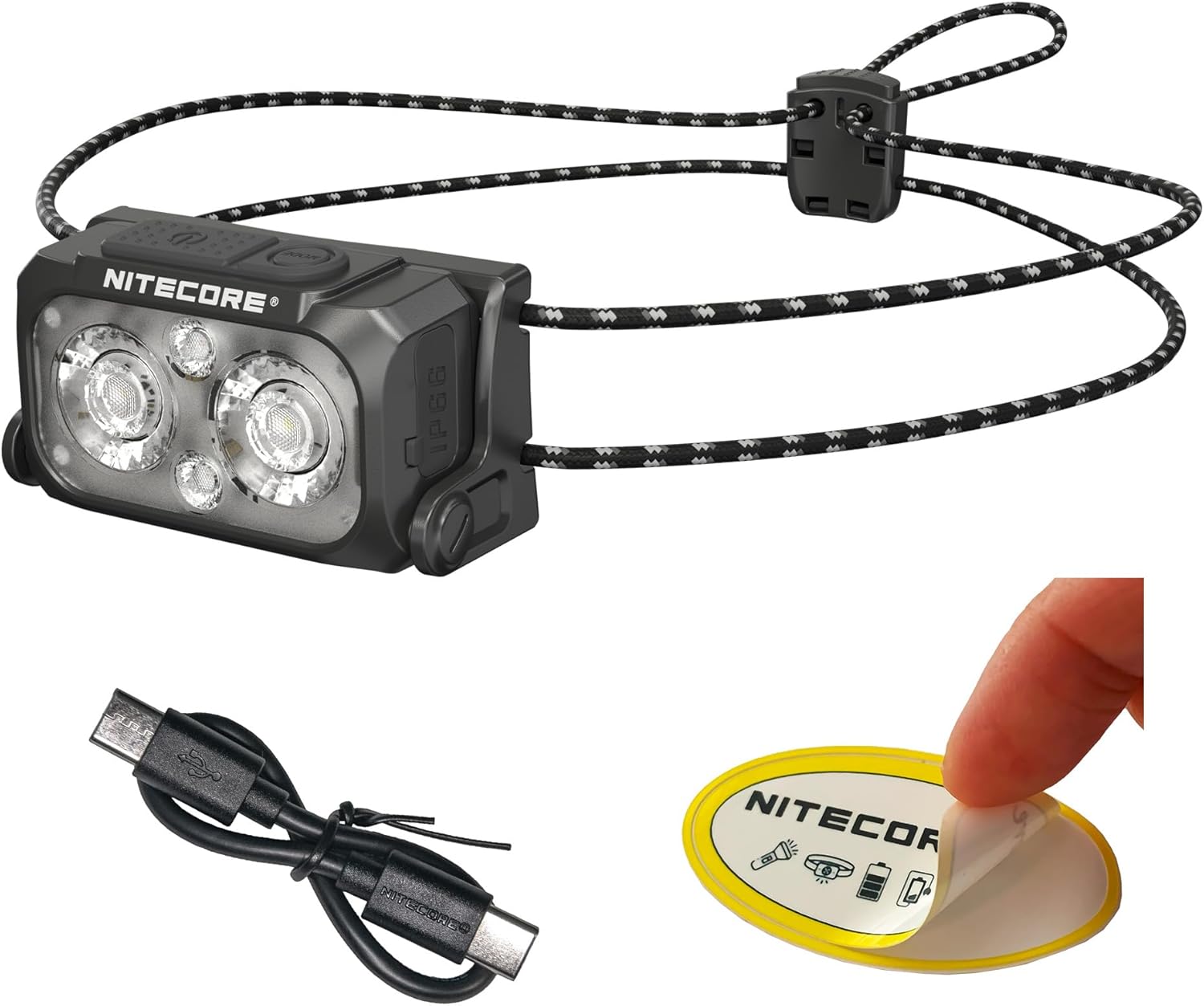
- Electronics: A 10,000 mAh power bank, charging cables, and a headlamp (USB rechargeable).
- Navigation: A satellite messenger (e.g., Garmin inReach Mini) and a smartphone with offline maps (Gaia GPS or FarOut).
Weight Breakdown Table
This table represents a realistic, high-end but attainable 3-day ultralight setup.
| Category | Item | Weight (oz) |
|---|---|---|
| Pack | 45L Frameless Pack | 26 |
| Shelter | 1-Person Trekking Pole Tent | 24 |
| Sleep | 20°F Down Quilt + NeoAir XLite Pad | 35 |
| Clothing (Packed) | Puffy, Rain Shell, Sleep Layers, Socks | 28 |
| Cooking/Water | Ti Pot, Stove, Filter, Bottles | 12 |
| Misc/Safety | Headlamp, First Aid, Power Bank | 15 |
| TOTAL BASE WEIGHT | 140 oz (8.75 lbs) |
Common Mistakes to Avoid
Even with a great list, it’s easy to slip up. Here are three things that will kill your ultralight goals:
1. The ‘Extra’ Clothing Trap: You do not need a fresh shirt for every day. You will smell. Everyone on the trail smells. Carrying three spare cotton t-shirts is dead weight that adds zero value to your safety or comfort.
2. Over-Engineered Cooking: Avoid heavy multi-fuel stoves or fry pans unless you are specifically planning a base-camp style trip. For a 3-day thru-hike, boiling water is all you need.
3. Heavy Footwear: Traditional leather boots can weigh 3-4 pounds per pair. Switching to trail runners is equivalent to removing 10 pounds from your back in terms of energy expenditure. ‘A pound on your feet is like five on your back’ is a cliché because it’s true.
Real-World 3-Day Pack Example: The Weekend Warrior
Imagine you are heading to the Appalachian Trail in Virginia for a 30-mile weekend loop. The weather forecast shows highs of 70°F and lows of 45°F.
- Total Base Weight: 9.2 lbs.
- Consumables: 4 lbs of food (2 lbs per day), 2 liters of water (4.4 lbs), and 4 oz of fuel.
- Total Pack Weight at Trailhead: 17.85 lbs.
With this setup, you can hike until dusk without the shoulder ache that usually sets in by 2:00 PM. You’ll have more energy to enjoy the views and a much faster setup time at camp.
How to Improve This Pack Over Time
Ultralight hiking is a journey, not a single purchase. If you are just starting, don’t feel the need to replace everything at once.
- The Weigh-In: Buy a digital kitchen scale. Weigh every single thing you own. Record it in a spreadsheet (or use LighterPack.com). Seeing the numbers will make it obvious what needs to go.
- The Big Three First: Focus your budget on the pack, shelter, and sleep system. These offer the largest weight savings per dollar spent.
- The ‘Did Not Use’ Pile: After every hike, lay out your gear. Anything you didn’t use (excluding emergency/safety gear) should be considered for removal on the next trip.
Frequently Asked Questions
Can beginners use ultralight packing?
Absolutely. In fact, beginners benefit the most because it reduces the physical barrier to entry. You don’t need to be an elite athlete to hike 12 miles a day if your pack is light.
Is a 10 lb base weight realistic for everyone?
For 3-season use (Spring, Summer, Fall), yes. For winter or alpine conditions, your base weight will naturally rise to 15-18 lbs due to the need for thicker insulation and more robust shelter.
What is the absolute minimum gear needed?
Shelter, sleeping bag/quilt, pad, water filter, and a way to carry it all. Everything else—stoves, electronics, extra clothes—is technically a luxury, though most prefer to keep them for comfort.
Internal linking suggestions:
1. The Best Ultralight Shelters for 3-Season Hiking
2. How to Transition from Sleeping Bags to Backpacking Quilts
3. Ultralight Meal Planning: High-Calorie Foods for the Trail
