Most hikers heading out for a long weekend in the backcountry make the same fundamental mistake: they pack for a 3-day hike as if they are preparing for a two-week siege. Overpacking is the single most common reason for foot pain, knee fatigue, and a general lack of enjoyment on the trail. When your pack weighs 40 pounds for a simple Friday-to-Sunday trip, you aren’t hiking; you’re laboring. The reality is that for a short duration, you need significantly less than you think. By shifting your mindset toward a streamlined ultralight backpacking packing list 3 day hike, you can drop your base weight to between 10 and 12 pounds without sacrificing safety or basic comfort. This guide provides a no-nonsense, gear-specific blueprint to help you move faster and feel better on your next 72-hour adventure.
The Fundamentals: Understanding Base Weight
Before we dive into the specific gear, we must define the metric of success: Base Weight. In the ultralight community, your base weight is the total weight of your pack and everything inside it, excluding ‘consumables’ like food, water, and fuel. Why do we exclude those? Because they change throughout the trip. A 3-day hike is the perfect ‘test lab’ for an ultralight setup. You are never more than 36 hours away from your car or a trailhead, which allows you to push the limits of your gear selection in a relatively low-risk environment. If you find you didn’t need that extra heavy fleece, you’ve only ‘suffered’ for two nights, and you’ll know better for your next week-long trek. The goal for this list is a sub-12 lb base weight, which is the ‘sweet spot’ for most US terrain, from the humid Appalachian Trail to the high Sierras.
Impact-Site-Verification: f9e29cb4-0168-4eff-8027-707e80450a32
The ‘Big Three’: Your Foundation
The fastest way to shed pounds is to address the ‘Big Three’: your pack, your shelter, and your sleep system. These items typically account for 50% or more of your base weight.
1. The Backpack
For a 3-day trip, you do not need a 65-liter behemoth with a heavy internal frame. You should aim for a pack in the 40L to 50L range. Look for a lightweight framed pack or, if your total load (including food/water) is under 25 lbs, a frameless pack. A good ultralight pack should weigh between 1.5 and 2.5 lbs. An example of this style is a durable Robic nylon or DCF (Dyneema) pack with large external mesh pockets for quick-access items. The goal is to have enough structure to transfer weight to your hips without the unnecessary plastic and metal of traditional packs.
2. The Shelter
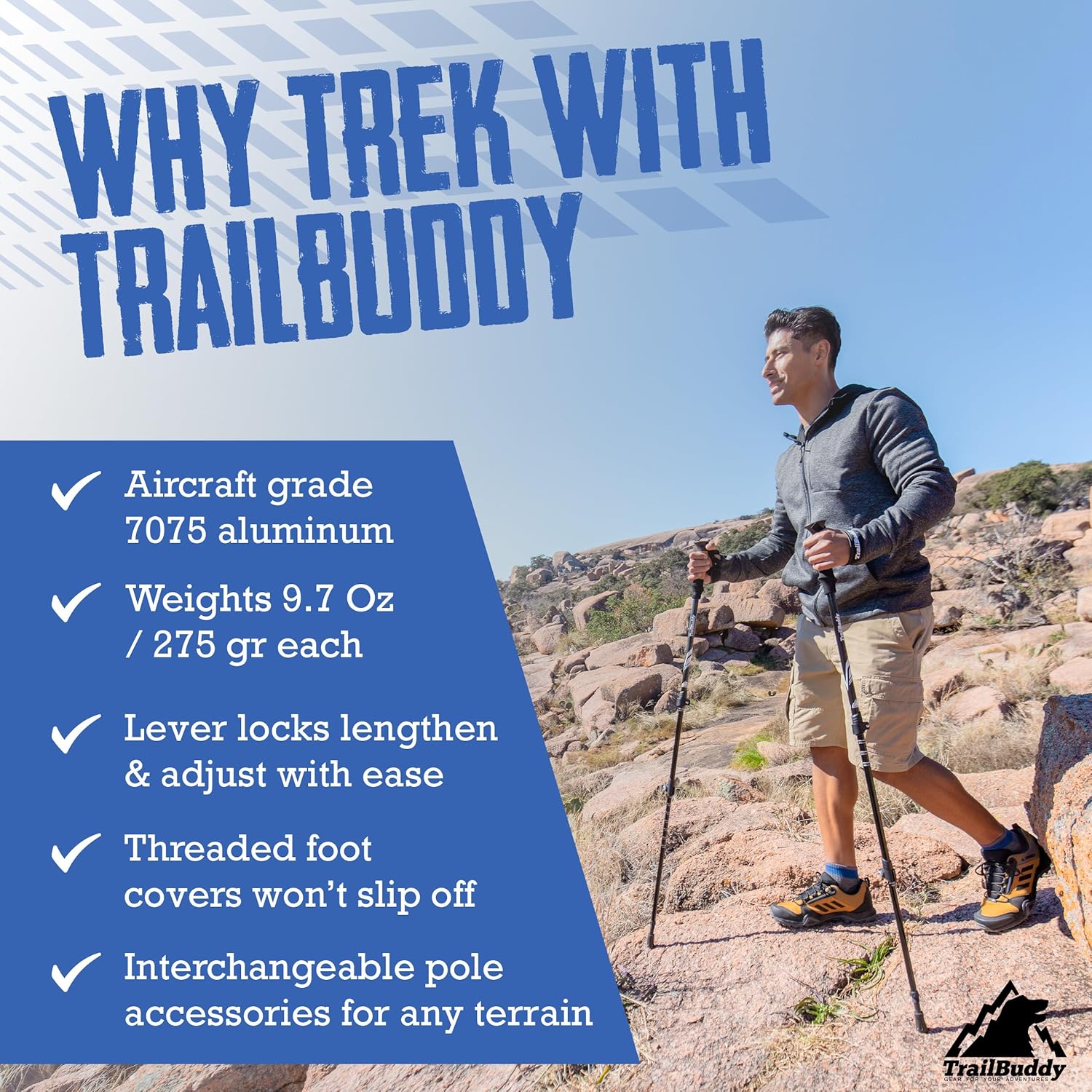
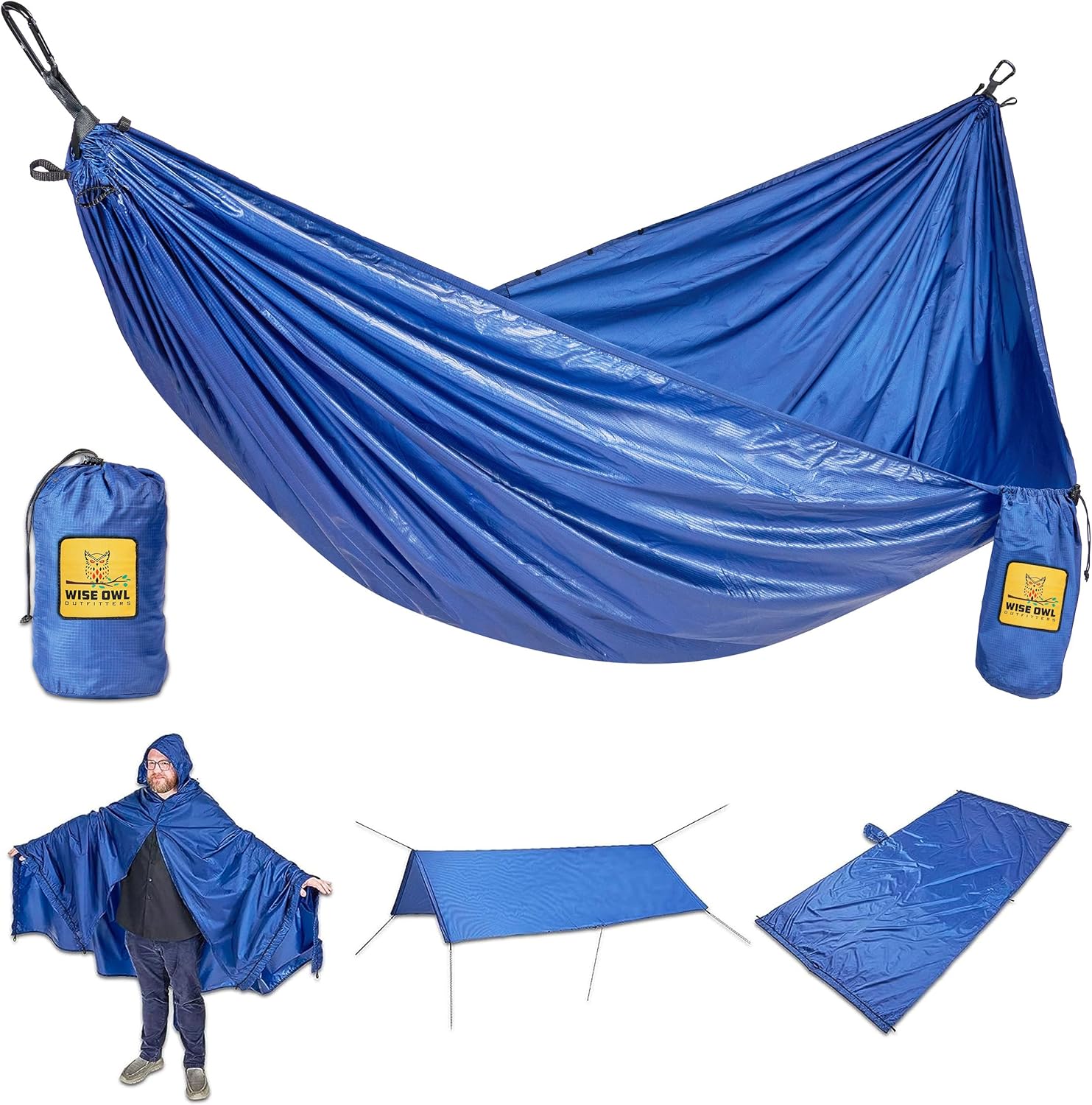
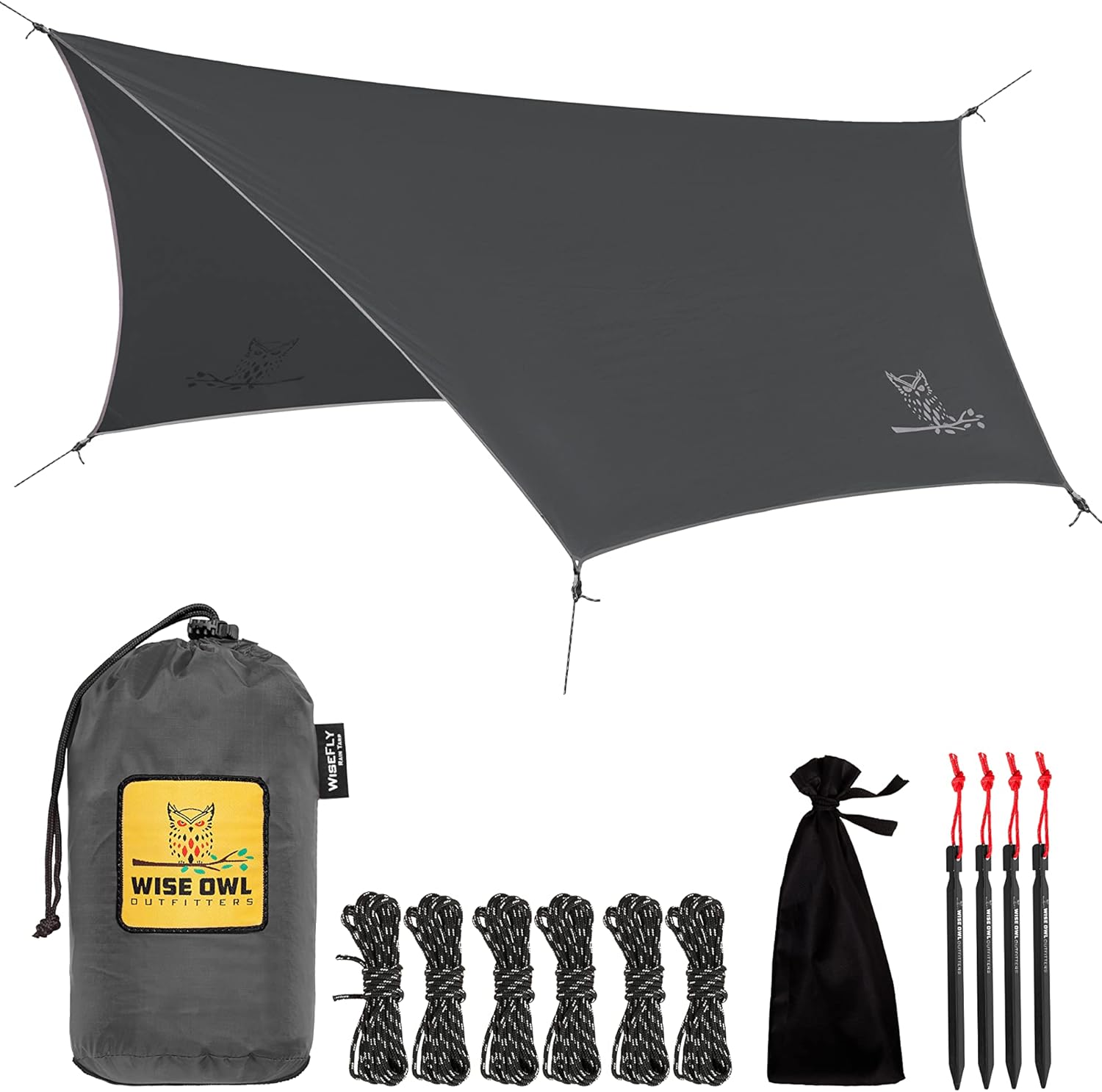
For a 3-day hike, a single-wall tent or a dedicated tarp system is ideal. You want to keep this under 2 lbs. If you are comfortable with trekking poles, a ‘trekking pole tent’ is the most weight-efficient option because it uses the poles you are already carrying as the structure. A high-quality 1-person sil-poly or DCF tent should weigh between 16 and 28 ounces. This provides full weather protection and bug netting while weighing a fraction of a traditional freestanding tent.
3. The Sleep System
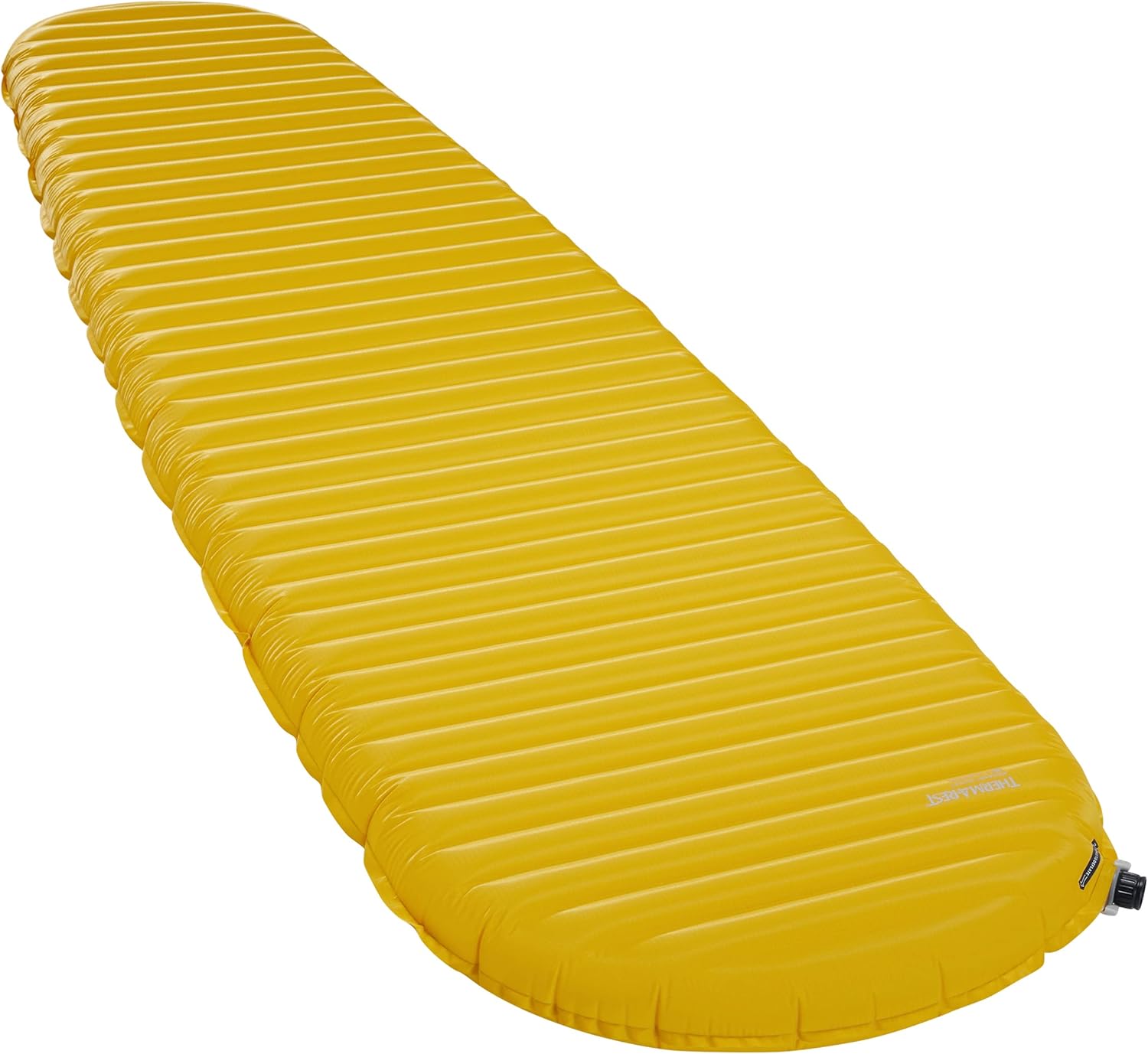
Forget heavy sleeping bags. A down quilt is the gold standard for ultralight hiking. By removing the hood and the insulation that would normally be compressed underneath you, you save significant weight and bulk. A 20-degree (Fahrenheit) down quilt typically weighs between 18 and 24 ounces. Pair this with an inflatable sleeping pad with an R-value of at least 3.0 for 3-season use. A mummy-shaped, tapered inflatable pad will weigh approximately 12 to 15 ounces.
Clothing: The Layering System
The secret to an ultralight backpacking packing list 3 day hike is to never bring ‘spares’ of anything except socks. You wear one outfit and pack the layers necessary for the coldest expected temperature. Avoid cotton entirely.
Worn Clothing: Synthetic or wool t-shirt, lightweight running shorts or hiking pants, wool blend socks, and trail runners (not heavy boots). Trail runners are lighter, dry faster, and reduce the energy required for every step.
Packed Clothing:
- Insulation: A ‘puffy’ jacket (down or high-end synthetic). Weight: 7–12 oz.
- Rain Shell: A minimalist waterproof jacket. Avoid heavy ‘3-layer’ mountaineering shells. Weight: 5–7 oz.
- Active Mid-layer: A lightweight fleece or ‘Alpha Direct’ hoodie for hiking in cool mornings. Weight: 4–8 oz.
- Sleep Layers: A dedicated pair of lightweight merino wool leggings and a long-sleeve top. These stay dry in your pack and are only for sleeping. Weight: 8–10 oz.
- Socks: Two pairs total—one to wear, one spare. Plus one very thin pair dedicated only to sleeping.
The Kitchen and Water System
Many hikers carry heavy multi-piece cooksets. For 3 days, you only need to boil water for dehydrated meals. A minimalist titanium pot (550ml to 750ml) and a small canister stove (like a BRS-3000T or a PocketRocket) are all you need. This entire setup, including a long-handle spoon, should weigh less than 10 ounces.
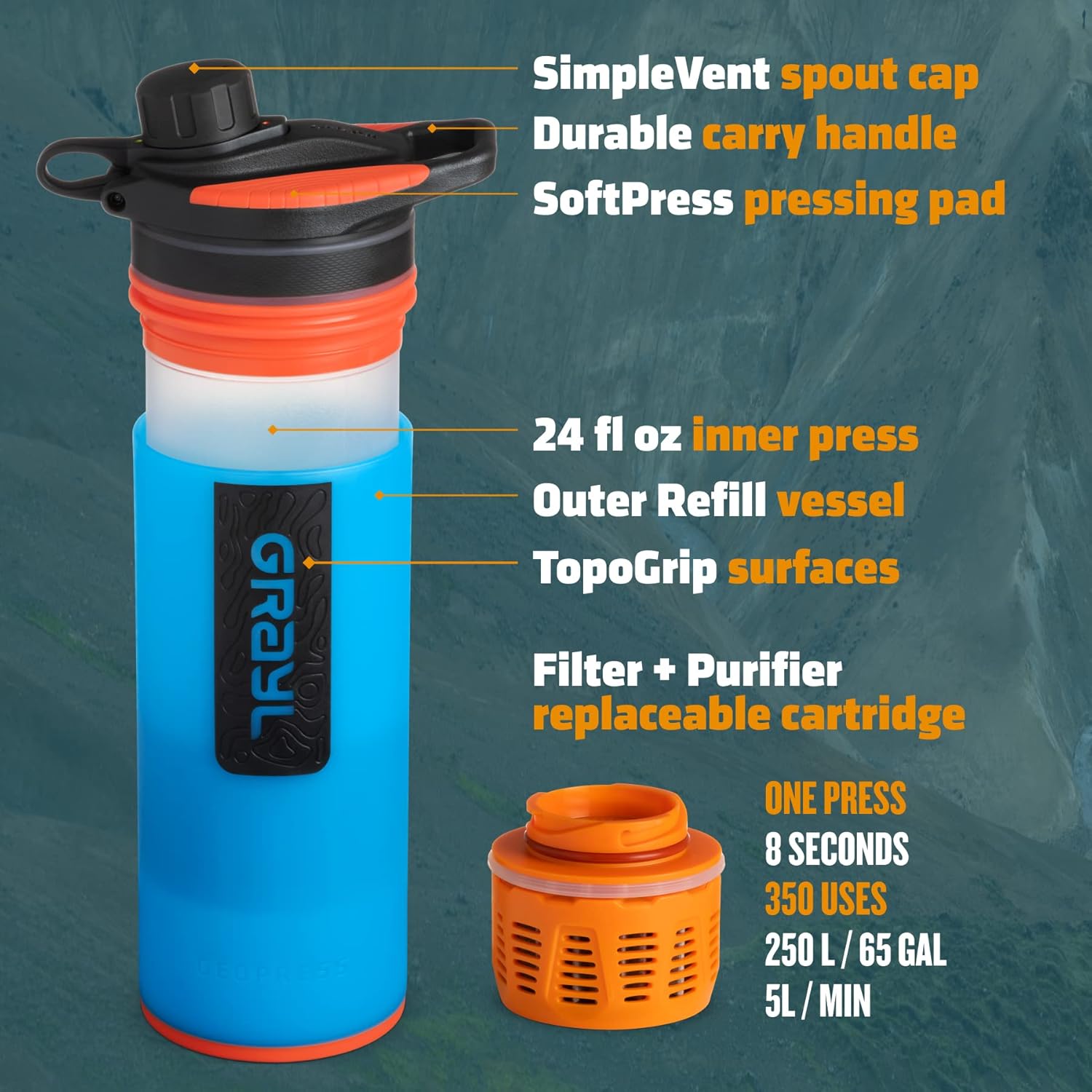
For water, skip the heavy reservoirs (bladders) which are hard to fill and prone to leaking. Use two 1-liter SmartWater bottles. They are lighter, more durable, and fit perfectly in side pockets. For filtration, a hollow-fiber filter (like the Sawyer Squeeze) that screws directly onto your bottles is the most efficient and reliable method available. Total water system weight (empty): 4–5 oz.
Safety, Electronics, and Tools
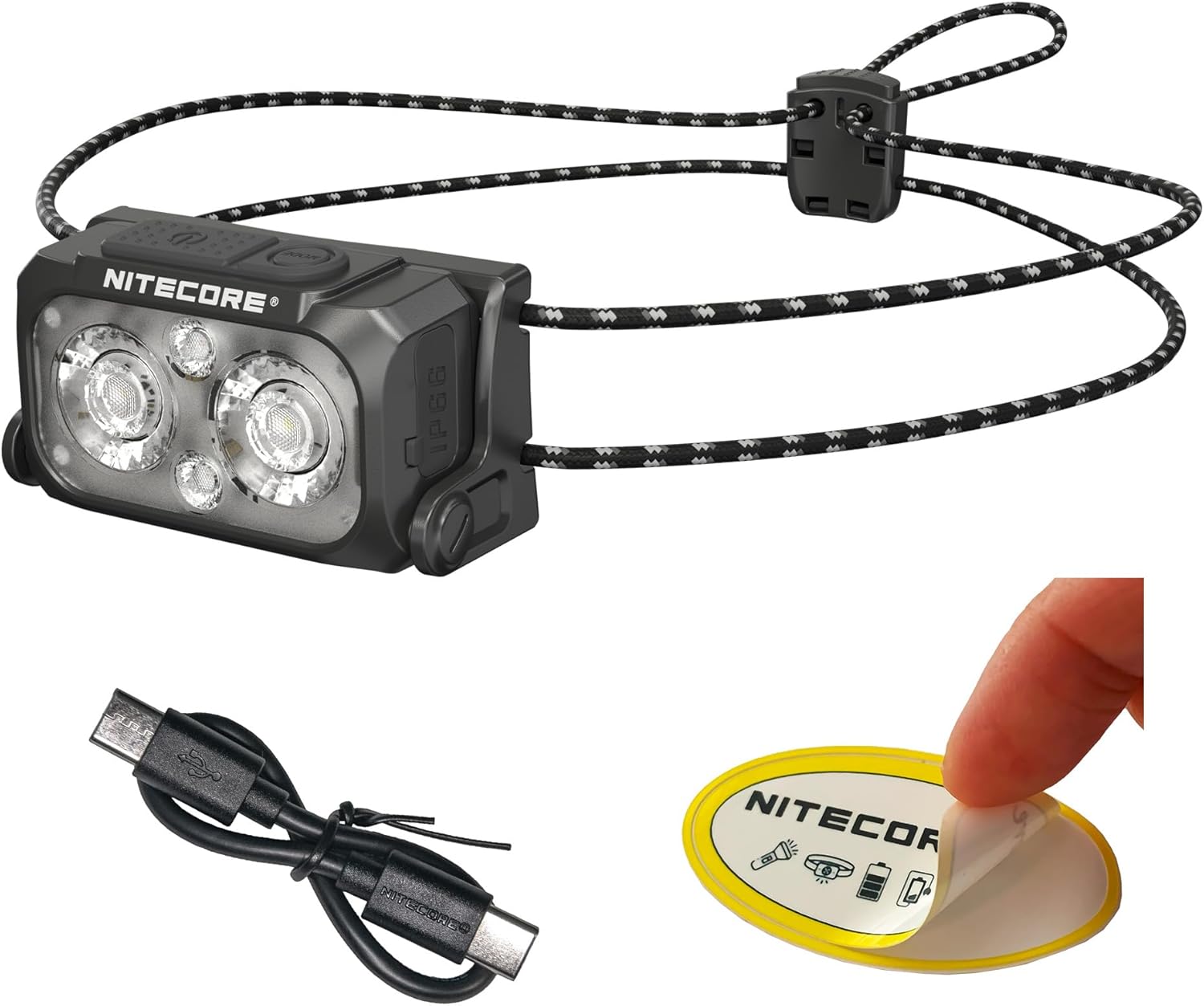
This is where ‘weight creep’ happens. Be disciplined. You need a small first aid kit (Leukotape, a few bandages, ibuprofen, and antihistamines), a small knife or multitool (under 2 oz), and a headlamp (rechargeable, under 3 oz). For navigation and safety, a smartphone with offline maps and a small satellite messenger (like a Garmin inReach Mini) are standard. A small 10,000 mAh power bank is sufficient to keep your phone and headlamp charged for a 3-day duration.
Estimated Weight Breakdown Table
| Category | Item Example | Weight (lbs) |
|---|---|---|
| The Big Three | 40L Pack, 1P Tent, 20° Quilt, Pad | 5.5 |
| Clothing (Packed) | Puffy, Shell, Fleece, Sleep Layers, Socks | 2.2 |
| Kitchen & Water | Ti Pot, Stove, Filter, Bottles, Spoon | 1.0 |
| Electronics & Misc | Headlamp, Power Bank, First Aid, Hygiene | 1.3 |
| Total Base Weight | — | 10.0 lbs |
| Consumables (Est) | 4.5 lbs Food, 2.2 lbs Water, 0.2 lbs Fuel | 6.9 |
| Total Pack Weight | Fully Loaded (Start of Trip) | 16.9 lbs |
Common Mistakes to Avoid
The most frequent error is the ‘Just in Case’ mentality. People pack an extra set of clothes ‘just in case’ they get wet, or a massive survival knife ‘just in case’ they need to build a log cabin. On a 3-day hike, if you get wet, you keep hiking until you reach camp, then put on your dry sleep clothes. If it’s truly dangerous, you bail. You do not need a backup for your backup. Another mistake is ignoring the weight of the small things. Ten ‘1-ounce’ items equal nearly three-quarters of a pound. Weigh everything on a digital kitchen scale; the numbers don’t lie.
Real-World 3-Day Scenario: The Weekend Warrior
Imagine a Friday afternoon to Sunday evening loop in the White Mountains or the High Desert. With a 10 lb base weight and 7 lbs of food and water, your pack starts at 17 lbs. By Sunday morning, your pack weight will be closer to 13 lbs as you consume your food. At this weight, you don’t need to take your pack off every time you stop for water. You can maintain a 2.5 to 3.0 mph pace easily, allowing you to see more scenery with less physical toll. This is the ‘Ultralight Advantage’—it’s not about the gear; it’s about the freedom that the gear provides.
How to Improve This Pack Over Time
Don’t feel the need to buy everything at once. Start by weighing your current gear. The easiest ‘free’ weight savings come from simply leaving things at home. Next, replace your heaviest item—usually the tent or the pack. When you do buy new gear, prioritize items that serve multiple purposes. A quilt can be used as a blanket at home; a puffy jacket is your pillow at night. Strategic upgrades, rather than impulsive buying, will lead to a more cohesive and lighter system over time.
Frequently Asked Questions
Can beginners use ultralight packing?
Absolutely. In fact, beginners benefit the most because they are often less conditioned for heavy loads. The only caveat is that beginners must spend more time learning how to properly set up minimalist shelters before they hit the trail.
Is a 10 lb base weight realistic?
Yes, it is the standard for modern ultralight hiking. With the availability of high-tech fabrics and specialized small-batch manufacturers, hitting 10 lbs no longer requires extreme ‘survivalist’ sacrifices.
What is the absolute minimum gear needed?
At its core, you need a way to stay dry (shelter/shell), a way to stay warm (quilt/puffy), a way to hydrate (filter/bottles), and a way to carry it. Everything else is a luxury. For a 3-day hike, you can even skip the stove and ‘cold soak’ your meals to save another pound.
Internal linking suggestions:
1. The Best Ultralight Tents for 3-Season Backpacking
2. How to Transition from Traditional to Ultralight Gear
3. Mastering the Art of Backcountry Meal Planning