

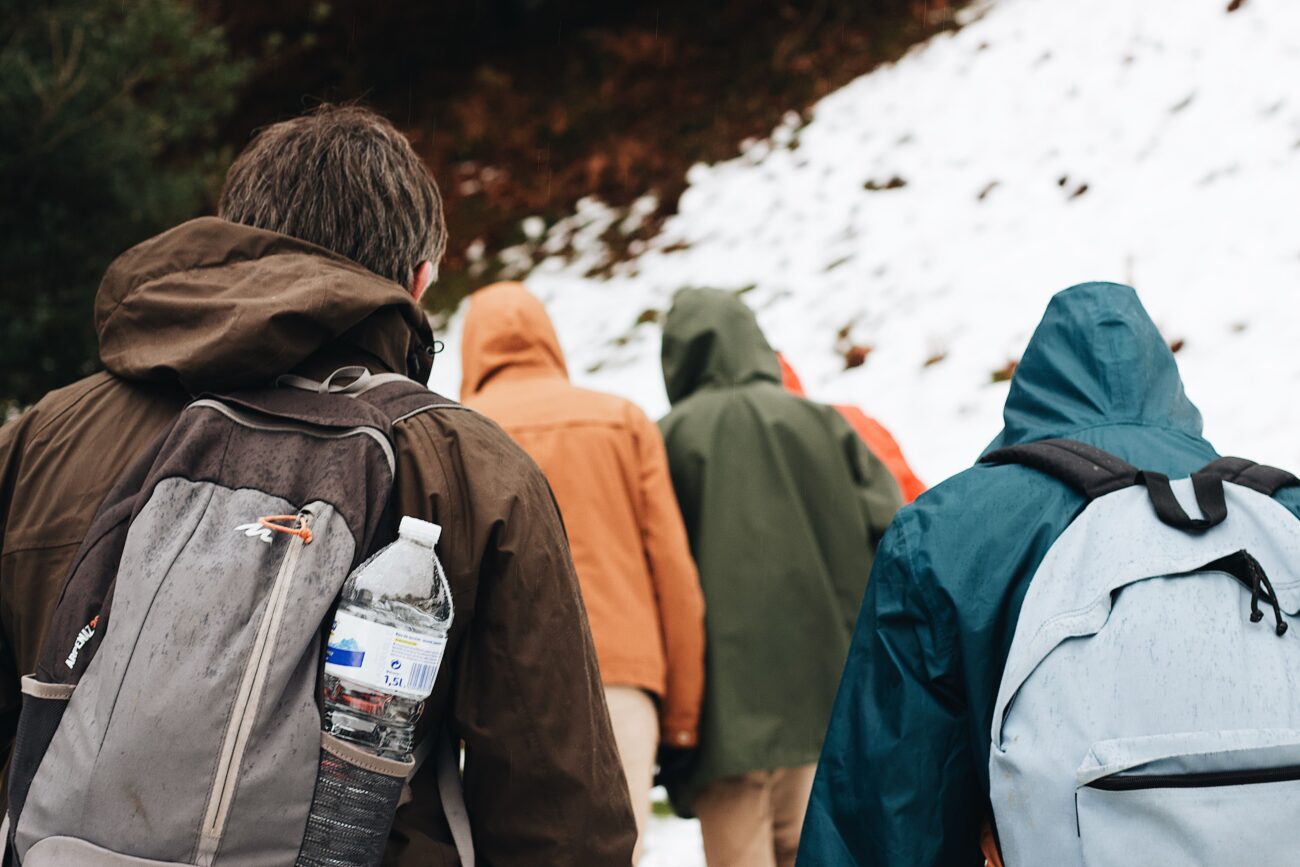
A three-day winter backpacking trip carries a different kind of risk than the same trip in July. In summer, a packing mistake usually means you’re a little cold or a little hungry. In winter, the margin for error is thinner: a soaked sleeping bag, a dead headlamp, or a frozen water filter can turn an overnight into an emergency. The good news is that a winter-specific gear list doesn’t have to mean a heavier pack. It means swapping a handful of three-season items for cold-weather versions and adding a few things summer trips never need.
This list builds on the logic of a standard 3-day packing list but reworks the sleep system, water strategy, and layering for sub-freezing nights. If you’ve already dialed in a 3-season packing list for a 3-day hike, think of this as that list’s cold-weather sibling rather than a replacement.
How a Winter List Differs From a 3-Season List
The core categories don’t change: shelter, sleep system, water, food, clothing, and the ten essentials. What changes is the spec inside each category. A 20°F quilt that’s perfectly comfortable in October becomes a liability at 10°F. A squeeze filter that rides in a side pocket all summer needs to sleep in your bag with you in winter. Base weight creeps up no matter how disciplined you are, and that’s fine. The goal on a winter trip isn’t the lowest possible number on a scale, it’s getting through three cold nights safely and still wanting to do it again next month.
Expect your winter base weight to land 2 to 4 pounds heavier than your 3-season setup. Nearly all of that increase comes from three places: a warmer sleep system, a warmer insulated layer, and traction or snow-specific shelter gear.
Shelter and Sleep System
Shelter
- Trekking pole tent or DCF shelter rated for four-season use, or a strong three-season shelter pitched low and tight against wind. Single-wall Dyneema and DCF tents hold up well in wind but need deliberate venting to manage condensation in cold, humid air, a topic worth reading up on separately before your trip.
- Wide or snow-specific stakes, or the willingness to bury regular stakes as deadman anchors in soft snow. Standard skewer stakes pull straight out of powder.
- Full guyline set, since winter wind loads are higher than a calm summer evening.
Sleep System
- Sleeping bag or quilt rated at least 10 to 15°F below the coldest temperature you expect. Comfort ratings are optimistic for most sleepers; buying to the limit rating of your expected low leaves no margin.
- Sleeping pad with a combined R-value of 5 to 6 or higher. Many winter backpackers stack a closed-cell foam pad under an inflatable pad rather than buying one expensive high-R pad, since the two R-values add together and the foam pad is cheap insurance if the inflatable fails. See our sub-20°F sleeping pad system breakdown for specific pairings.
- Vapor barrier liner for multi-day trips where your bag can’t fully dry out between nights. A vapor barrier liner keeps body moisture from migrating into your insulation, at the cost of some clamminess, and it’s one of those pieces of gear that’s either essential or pointless depending entirely on trip length and temperature.
- Insulated sit pad or extra foam scrap for breaks. Sitting directly on snow for ten minutes will chill you faster than an hour of hiking.
If your sleep system is otherwise solid but you’re still waking up cold, the gear list usually isn’t the problem; technique is. Our rundown of how to stay warm in a tent covers the habits that matter more than any single piece of gear.
Water: The System That Actually Needs to Change
Water management is where winter trips fail most often, and it’s the category most 3-season packing lists simply don’t address.
- Insulated bottle or bottle parka instead of a hydration bladder. Bladder hoses freeze solid within a few hours below freezing; wide-mouth bottles carried upside down (ice forms at the surface, so an inverted bottle freezes from the bottom up) are far more reliable.
- Water filter stored in your sleep system at night, inside a dry bag inside your sleeping bag or jacket, never in an outer pocket. A frozen hollow-fiber filter like a Sawyer Squeeze can rupture internally with no visible damage, then fail completely, and often silently, the next time you use it.
- Backup chemical treatment or a filter you know tolerates freezing, as insurance against exactly that failure.
- Insulated bottle pouch for electronics and batteries, or simply sleep with your phone, battery pack, and headlamp batteries in your sleeping bag. Lithium batteries lose a large share of their usable capacity in the cold and some recover once warmed.
- Stove and fuel rated for cold starts. Canister stoves lose pressure and struggle below roughly 20°F unless you keep the canister warm in a pocket or inverted; liquid-fuel stoves are more reliable in deep cold but add weight and complexity.
Clothing and Layering for Three Cold Days
- Base layer, top and bottom, ideally merino or a synthetic that doesn’t hold odor over multiple wears, since you likely won’t wash anything mid-trip.
- Active insulation mid layer, such as a grid fleece or Alpha Direct piece, worn while hiking to manage sweat without overheating.
- Static puffy jacket, down or synthetic, reserved for camp and breaks, not for hiking in. Putting it on the moment you stop moving, and taking it off again before you start, is the single habit that prevents the sweat-then-freeze cycle that ruins winter trips.
- Wind or rain shell, shell pants included, since wind chill does as much damage as actual temperature on exposed ridgelines.
- Insulated or down booties for camp, letting your hiking footwear dry out overnight instead of sleeping in cold, damp boots.
- Liner gloves plus insulated mittens, worn in combination or separately depending on task. Mittens run warmer than gloves at the same weight because fingers share heat, but you’ll want liners underneath for any task that needs dexterity.
- Insulated or waterproof socks, or simply trail runners you accept will be wet, depending on your approach to winter footwear; there isn’t one correct answer here, only tradeoffs.
- Buff or balaclava and a warm hat that covers your ears, not just a beanie that rides above them.
- Gaiters if there’s any snow depth at all, to keep powder out of your boot tops.
Navigation, Light, and the Ten Essentials in Winter
- Headlamp with fresh or lithium batteries, plus a spare set kept warm. Winter days are short, and you will almost certainly be hiking or setting up camp in the dark.
- Offline map and a backup compass, since touchscreens get unreliable with gloved or cold fingers and snow cover erases trail markers.
- Traction device appropriate to conditions, whether that’s microspikes for icy trail, snowshoes for deep unconsolidated snow, or nothing at all for a dry, packed trail. Carrying the wrong one is nearly as bad as carrying none.
- Emergency bivy or extra insulating layer beyond what you’d carry in summer, since the consequences of an unplanned night out scale up fast in the cold.
- Full battery pack, sized larger than your summer trips, since cold weather alone drains device batteries faster even before you add GPS or photo use.
Frequently Asked Questions
Do I need a four-season tent for a 3-day winter trip?
Not necessarily. A sturdy three-season trekking pole tent, pitched low and staked well, handles most winter conditions that aren’t full-on alpine storms. A true four-season tent earns its extra weight above treeline or in consistently high wind, not on a typical forested three-day route.
How much heavier will my pack be compared to summer?
Plan on 2 to 4 pounds more base weight for a 3-day trip, concentrated in your sleep system, insulation, and water strategy. Food weight also rises because your body burns more calories staying warm.
Can I use my regular 3-season packing list and just add a warmer bag?
You can start there, but swapping only the sleeping bag misses the water filter freezing, the battery drain, and the stove performance issues that actually cause winter trip failures. Treat it as a different list with significant overlap, not a one-item upgrade.
What’s the single item people forget most often?
An insulated or wide-mouth bottle setup. Hydration bladders are the most common winter casualty, and a frozen hose with no backup bottle is a genuinely dangerous problem three miles from the trailhead.
Keep Your Winter List Honest
The hardest part of winter packing isn’t knowing what to bring, it’s actually weighing it and checking it against your sleep system’s real limit rating before you leave the house. I’ve found it helpful to photograph each piece of gear as I set it out, one item at a time, and let FeatherPack log the weight automatically instead of digging through old spec sheets. Building out a dedicated winter gear list inside the app, separate from your 3-season setup, makes it easy to see exactly how much heavier your cold-weather pack really is before you’re standing at the trailhead wondering if you forgot something.
Have a winter packing habit or a piece of cold-weather gear you’d never leave behind? Drop it in the comments, it’s exactly the kind of field-tested detail that helps the next person planning a cold three-day trip.
