

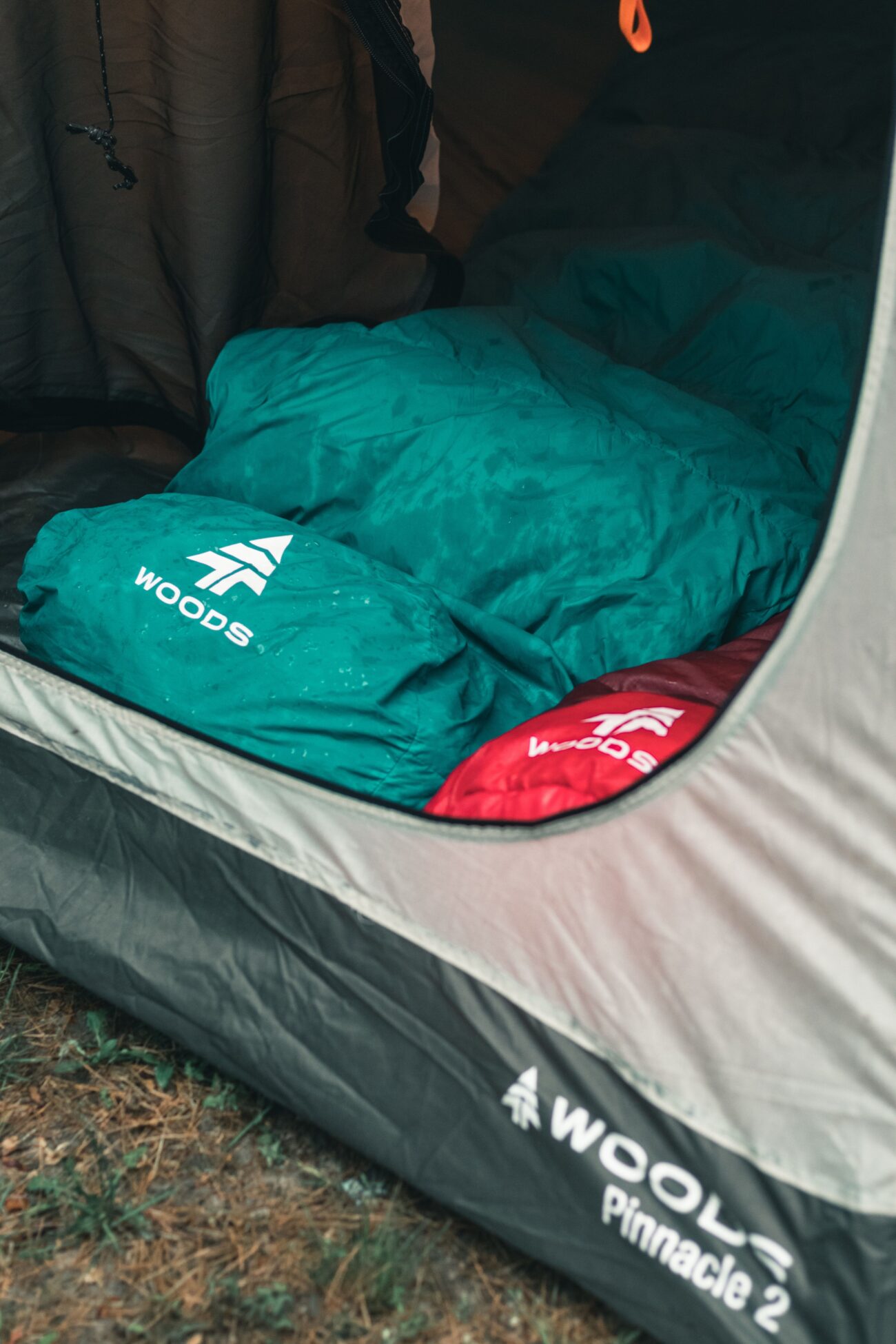
A sleeping bag tag that says “20°F” looks like a simple promise, but it almost never means what buyers assume it means. The number usually comes from a lab test called EN 13537 (now folded into the newer ISO 23537 standard), and that test produces three different figures, not one. If you sleep in an ultralight quilt instead of a traditional mummy bag, the problem gets worse, because most quilt makers don’t even run the same test. Here’s what the comfort and limit ratings actually measure, why a quilt’s “20°F” rarely means the same thing as a bag’s “20°F,” and how to pick a number that will actually keep you warm on your next trip.
What EN 13537 Actually Measures
EN 13537 is a European lab standard that puts a heated manikin wearing a thin base layer inside a sleeping bag, on top of a 1 inch foam pad, inside a climate chamber. Sensors track how much heat the manikin has to generate to stay at a stable skin temperature as the chamber cools. The result is converted into three ratings that get printed on the hangtag.
It’s a genuinely useful standard because it lets you compare two bags from two different brands on roughly equal footing, which was impossible before it existed. But it has real limits. Testing labs use manikins of different sizes with different sensor counts, so results between labs can drift by several degrees. The standard itself admits it gets less reliable below about 10°F, which is exactly the range serious winter hikers care about most. And because enforcement is essentially nonexistent, a brand can publish whatever number it wants and call it EN-tested.
Comfort, Limit, and Extreme: What Each Number Means
Once you understand what each rating represents, the tag stops being confusing and starts being genuinely useful.
- Comfort rating: The temperature at which an average woman, sleeping on her back in a relaxed position, stays thermally neutral all night. This is the number cold sleepers of any sex should pay attention to.
- Lower limit rating: The temperature at which an average man, curled in a slightly more compact position, can sleep for eight hours without waking up cold. This is almost always the bigger, more marketable number on the tag, which is exactly why it’s the one most buyers remember.
- Extreme rating: The temperature at which a sleeper avoids hypothermia for six hours. This is a survival threshold, not a comfort threshold, and it should never be used to plan a trip.
The practical takeaway: if you run cold, shop by the comfort number. If you run warm and don’t mind curling up, the lower limit is a reasonable target. Ignore the extreme rating entirely when deciding what to pack.
Why Your Quilt’s Rating Doesn’t Work the Same Way
EN 13537 was written for enclosed sleeping bags with hoods and full-length zippers. An ultralight quilt has no hood, often has an open back or a snap-together footbox, and is held in place over the body rather than fully encircling it. That means the test procedure doesn’t map cleanly onto how a quilt actually performs, and most cottage and mainstream quilt makers don’t send their products through EN testing at all.
How Quilt Brands Actually Set Their Numbers
Instead, most quilt companies set ratings using a mix of informal internal testing, customer feedback, and comparison to bags that have been EN tested. Several well-known ultralight quilt brands have said publicly that their published rating is meant to land somewhere between a comparable bag’s comfort and lower limit figures, deliberately erring conservative because quilts are more draft-prone than bags. The upshot is that a quilt rated “20°F” is not directly comparable to a bag rated “20°F.” Treat a quilt’s number as closer to a bag’s comfort rating than its lower limit, and expect some meaningful variation between brands since there’s no shared test behind it.
This is also why comparing quilts to other quilts, rather than quilts to bags, gives you a more honest read. If you’re shopping specifically within that category, our roundup of ultralight quilts at 20°F and 30°F compares several popular options against each other rather than against a lab standard they were never tested to.
What Temperature Rating Do You Actually Need?
The rating on the tag is only one input. The real number you need depends on several things working together.
- Sleeping pad R-value: A bag or quilt rating assumes a specific pad underneath it, and a mismatched pad can undo everything the insulation above you is doing. Ground conduction, not air temperature, is usually what wakes cold sleepers up at 2am.
- How cold or warm you sleep: This varies by individual far more than by sex, but on average, women’s metabolisms run cooler at rest, which is part of why the comfort rating in EN testing is based on a female model. If you consistently run cold on trips, buy 10 to 15 degrees warmer than you think you need.
- Sleepwear and layering: Both the EN test and most quilt ratings assume a thin base layer, not street clothes or your puffy jacket. Climbing in fully dressed changes the math in your favor, but it’s not what the rating assumes.
- Drafts and fit: A quilt that isn’t cinched or strapped properly to your pad will leak heat along the sides no matter what the tag says. This is the single biggest reason new quilt users report sleeping colder than expected.
- Humidity and wind: Neither factor is part of the lab test, but both matter enormously in the field. A damp sleeping bag or a breezy, open camp will sleep noticeably colder than the rating suggests. If moisture inside your sleep system is a recurring problem on multi-day winter trips, it’s worth reading about when a vapor barrier liner actually helps rather than fighting it with more insulation alone.
Practical Rules for Picking a Bag or Quilt Rating
A few rules of thumb cut through most of the confusion. First, always buy warmer than the coldest temperature you expect to encounter, not the average. Weather forecasts for exposed camps are frequently off by several degrees, and a cold night you weren’t prepared for is far more miserable than carrying a few extra ounces of insulation. Second, if you’re choosing between two EN-rated bags, compare their comfort ratings to each other, not their lower limit ratings, since that’s the number most people actually need. Third, if you’re choosing a quilt, read it as roughly equivalent to a bag’s comfort rating for that temperature, and size up if the brand doesn’t publish any testing methodology at all. Finally, pair whatever rating you land on with an adequate pad. Insulation above you and insulation below you are not interchangeable, and a $400 quilt over a $20 foam pad in freezing temperatures will sleep far colder than the tag implies. If you’re still dialing in the pad side of that equation for sub-20°F trips, our guide to ultralight sleeping pad systems for sub-20°F nights walks through R-value stacking in more detail.
Frequently Asked Questions
Is the comfort rating or the lower limit rating more accurate?
Neither is more “accurate,” they measure different people under the same lab conditions. The comfort rating reflects an average woman sleeping in a relaxed position, and the lower limit reflects an average man in a more compact position. Pick based on how cold you personally sleep, not based on which number sounds more impressive on the hangtag.
Why do quilts feel colder than their rating suggests?
Most quilt ratings aren’t backed by the same lab test as sleeping bags, and quilts are inherently more prone to drafts since they don’t fully enclose the body. A poorly cinched quilt, or one paired with too thin a pad, will underperform its rating regardless of how the number was set.
Does the extreme rating tell me anything useful?
Not for trip planning. It represents the threshold for avoiding hypothermia over six hours, not a temperature you’d want to actually sleep through. Some retailers mistakenly list it as the comfort or limit figure, so it’s worth double-checking which number you’re actually looking at before you buy.
Should I buy a 20°F bag or quilt for a trip that might hit 20°F?
No. Buy for a margin below the coldest temperature you realistically expect, factor in your own cold tolerance, and make sure your pad’s R-value matches the season. A rating printed on a tag assumes near-ideal conditions that rarely show up on an actual winter camp.
Figuring out exactly which pieces of your sleep system you already own, and whether they actually add up to a warm enough setup for a given trip, is one of the more tedious parts of gear planning. That’s part of why I built FeatherPack, an iOS app where you photograph one piece of gear at a time and it automatically logs the item and its weight into your gear library, so you can pull your quilt, pad, and liner into a trip-specific pack list and see the real total before you head out. If you’ve second-guessed a temperature rating before a cold trip, I’d love to hear how you settled on the gear you brought, drop a comment below.
