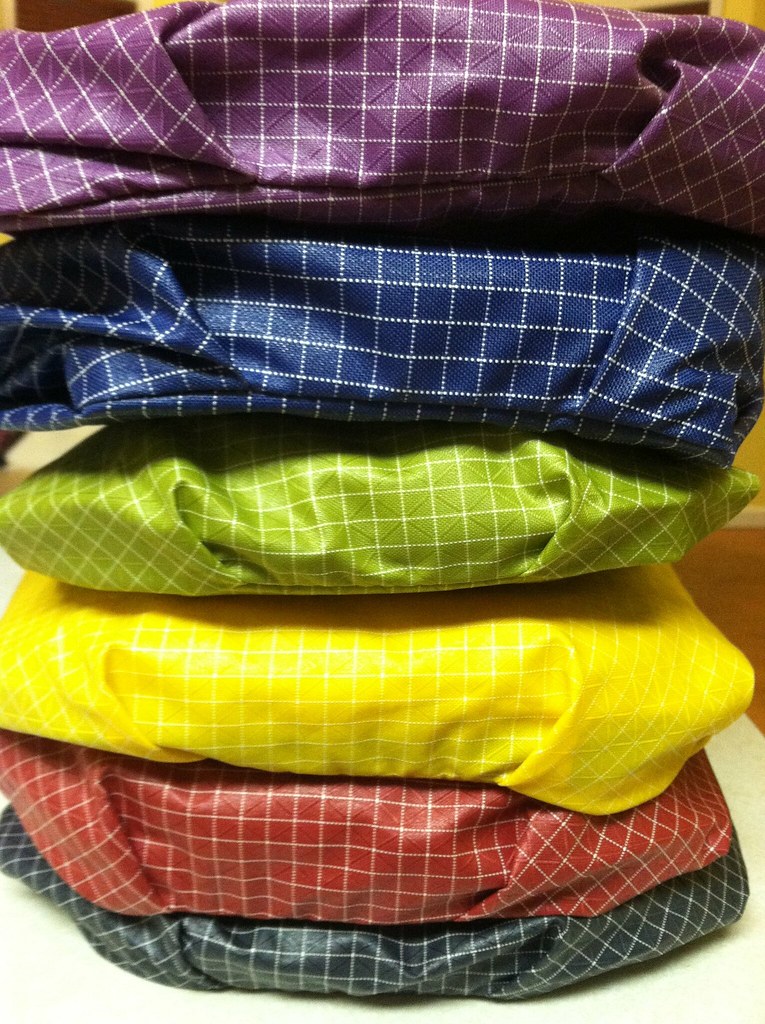
If you’ve ever spent a night scrolling through ultralight backpacking forums, you’ve undoubtedly encountered the cult-like devotion to Dyneema fabric. Often referred to by its older name, Cuben Fiber, or its technical designation, Dyneema Composite Fabric (DCF), this material has fundamentally shifted the boundaries of what is possible in the backcountry. For the weight-conscious hiker, it represents the holy grail: a material that is significantly lighter than traditional nylons yet possesses a tensile strength that rivals steel. When every gram counts toward your base weight, switching to Dyneema can be the difference between a grueling trek and a floating-on-air experience.
What is Dyneema Fabric and Why is it Special?
At its core, Dyneema is an Ultra-High Molecular Weight Polyethylene (UHMWPE) fiber. When we talk about Dyneema fabric in the backpacking world, we are usually referring to a laminate where these incredibly strong fibers are laid out in a grid and sandwiched between two layers of thin polyester film. This construction results in a material that is waterproof, incredibly light, and possesses a near-zero stretch profile.
The properties that make it a favorite for ultralight trekkers include:
- Extreme Strength-to-Weight Ratio: It is 15 times stronger than steel on a weight-for-weight basis.
- Waterproofness: Unlike silnylon, DCF does not absorb water (it is non-hygroscopic), meaning your tent won’t sag when wet or gain weight during a rainstorm.
- UV Resistance: It holds up well under the harsh sun of high-altitude environments.
- Ease of Repair: Field repairs are as simple as applying a piece of specialized Dyneema tape.
However, it’s not perfect. The most obvious drawback is the price; Dyneema fabric is one of the most expensive materials on the market. It also has a distinct “crinkle” noise that some find distracting, and while it has high tensile strength, its abrasion resistance is lower than some heavy-duty nylons. Furthermore, because it doesn’t stretch, it requires precision in design—there is no “give” to hide a poorly pitched shelter.
Dyneema in the Wild: Common Uses
You will find Dyneema fabric across almost every category of high-end ultralight gear. It is the gold standard for ultralight tarps and pyramid-style tents (like those from ZPacks or Hyperlite Mountain Gear). In backpacks, heavier versions of DCF (often 2.92 oz or 5.0 oz) provide a waterproof chassis that doesn’t need a pack cover. Small accessories like food bags, dry sacks, and even minimalist bivvies benefit from the material’s weight-saving properties. Because it is so specialized, a vibrant DIY (Make Your Own Gear – MYOG) community has emerged, allowing hikers to customize their kits without the retail markup.
DIY Ideas: Crafting with Dyneema at Home
If you have a sewing machine and a steady hand, you can work with Dyneema fabric yourself. One of the best things about DCF is that you can often “bond” it using double-sided adhesive tape instead of sewing, which maintains the waterproof integrity of the seams.
1. The Minimalist Flat Tarp
A great intermediate project that offers massive weight savings. A 7’x9′ tarp in 0.51 oz DCF can weigh under 200 grams.
- Materials: ~6 yards of 0.51 oz DCF, 1/2″ double-sided DCF tape, 2.92 oz DCF for reinforcements, and grosgrain ribbon for tie-outs.
- Sewing Tip: Don’t sew the long ridge seam; bond it with tape. Only sew the tie-out reinforcements, then tape over the stitches to seal them.
2. Ultralight Food Bag
Perfect for beginners. This replaces heavy silnylon bags and is naturally bear-bagging friendly due to its water resistance.
- Materials: 0.8 oz or 1.0 oz DCF (approx. 0.5 yards), drawcord, and a mini cord lock.
- Sewing Tip: Use a microtex needle (size 70/10 or 80/12) and a polyester thread like Gutterman Mara 70.
3. Custom Groundsheet
Lighter than Tyvek and packs down smaller than a soda can.
- Materials: 1.0 oz DCF cut to your tent’s footprint dimensions.
- Sewing Tip: No sewing required! Just cut to size and use DCF tape to reinforce the corners if you want to add stake loops.
Where to Buy Dyneema Fabric
Sourcing Dyneema fabric can be tricky depending on your location. Here are the most reliable suppliers:
- Ripstop by the Roll (USA): The industry leader for DIYers, offering various weights and colors.
- Dutchware Gear (USA): Excellent for hardware and specialized DCF components.
- Extremtextil (Germany): The best source for European hikers to avoid heavy import duties.
- Adventure World (UK): A solid choice for those in the United Kingdom.
When buying, pay attention to the weight. 0.51 oz is standard for tarps, 0.8 oz for tent floors or dry bags, and 2.92 oz or higher for backpack bodies.
Cheaper Alternatives to Dyneema
While Dyneema fabric is incredible, it isn’t always the right choice for every budget or use case. Consider these alternatives:
- Silpoly: Unlike silnylon, it doesn’t sag when wet. It’s much cheaper than DCF and more durable in terms of abrasion, though heavier.
- Ultra 200 / 400: The new rival to DCF for backpacks. It uses a woven UHMWPE face which is significantly more abrasion-resistant than standard DCF laminates.
- X-Pac (VX series): Great for backpacks where you want more structure and stiffness, though it is heavier than DCF.
- Tyvek: The ultimate budget choice for groundsheets. It’s heavy and bulky compared to Dyneema, but you can get it for a few dollars at a hardware store.
Conclusion
Investing in Dyneema fabric makes the most sense when you have already optimized the rest of your kit and are looking for those final, impactful weight reductions. Whether you buy a professionally made tent or try your hand at a DIY food bag, the performance of DCF is undeniable. It changes the way you interact with the environment—no more heavy, wet gear and no more sagging shelters in the middle of the night.
Are you ready to lighten your load? Which DIY project are you planning to tackle first? Share your experiences with DCF in the comments below, and don’t forget to subscribe to our newsletter for more technical gear deep-dives!