

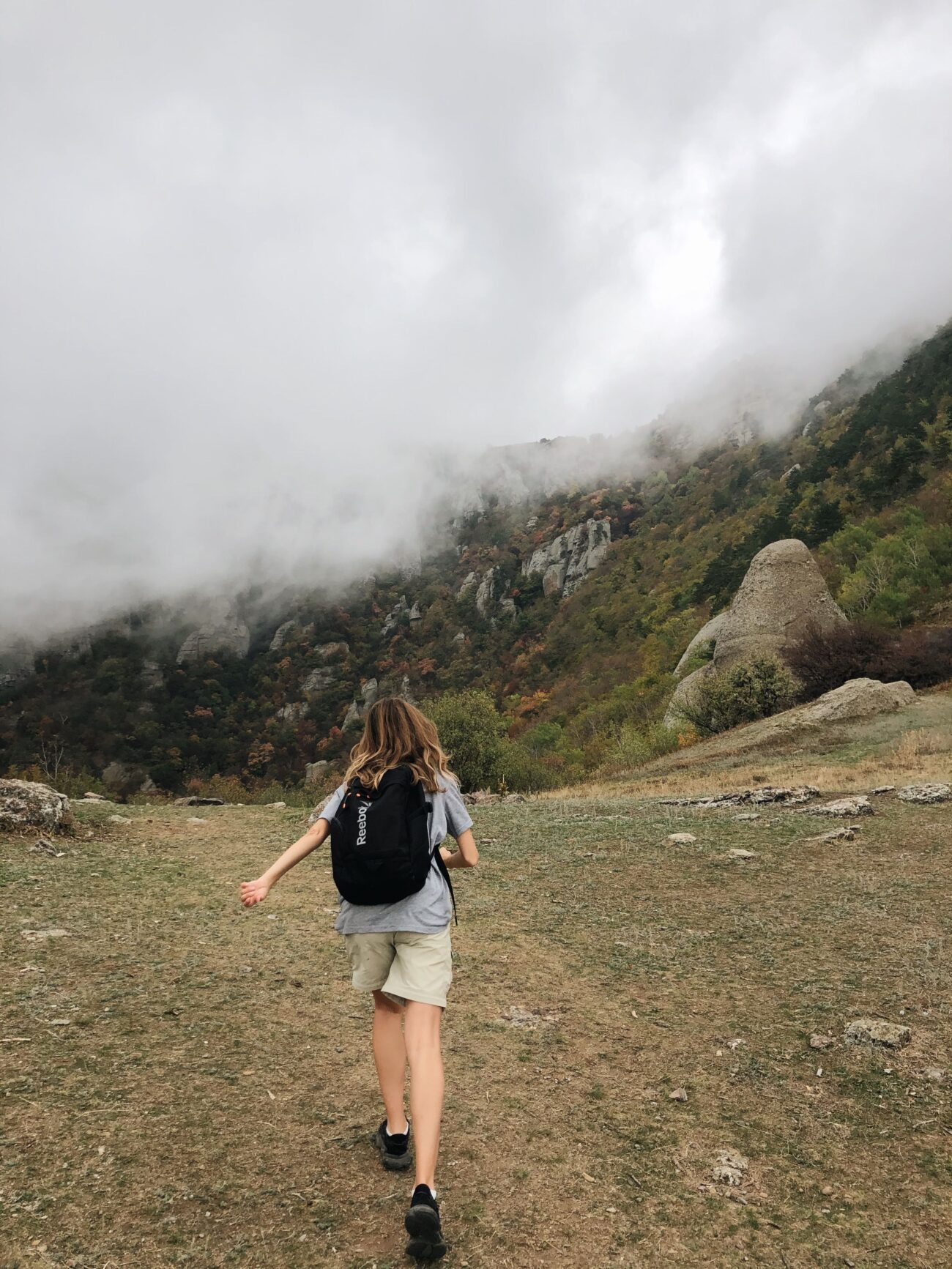
Legs get wet on the trail in three different ways: rain soaking through fabric, spray kicked up from wet brush and puddles, and cold wind cutting straight through a single layer of hiking pants or shorts. Three problems, and backpackers have landed on three different lower-body shells to solve them: full rain pants, a rain skirt (also called a rain kilt), and wind pants. Each one trades weight, price, and protection differently, and picking the wrong one means either carrying ounces you never use or getting cold and clammy on the one trip where it actually matters.
The Three Options at a Glance
Before digging into the details, here’s roughly where each option lands on weight and price. These are typical figures for popular ultralight models, not universal constants, since fabric weight and sizing shift the numbers around.
- Rain pants (e.g. Zpacks Vertice or Outdoor Research Helium): roughly 2.5 to 6 ounces, $80 to $160, fully waterproof and windproof, covers the whole leg.
- Rain skirt / kilt (e.g. ULA Rain Kilt or Zpacks Rain Kilt): roughly 1.8 to 2.8 ounces, $42 to $80, fully waterproof, open at the sides for airflow, stops above the knee or mid-shin.
- Wind pants (e.g. Montbell Dynamo type fabrics): roughly 2 to 3.5 ounces, $70 to $100, windproof and water-resistant but not fully waterproof, closer fit than a rain layer.
Rain Pants: Full Protection, Full Weight Penalty
Rain pants are the only one of the three that’s genuinely waterproof from ankle to waist. On a cold, driving rain day, or when you’re pushing through wet brush that soaks everything below the knee, nothing else in this lineup keeps your legs as dry. That matters more than it sounds like: wet skin loses heat dramatically faster than dry skin, so in cold conditions rain pants are doing real safety work, not just comfort work.
The tradeoff is weight, price, and breathability. Even the lightest DCF (Dyneema Composite Fabric) rain pants on the market, like the Zpacks Vertice line, sit around 2.5 ounces, and more durable or budget-friendly options from brands like Outdoor Research or Montbell run closer to 4 to 6 ounces once you factor in zippers and reinforced seat panels. None of them breathe particularly well, so hiking uphill in full rain pants on a warm, humid day is a recipe for soaking your legs from the inside with sweat instead of the outside with rain.
Rain pants earn their keep on cold, wet, multi-day trips where you’ll actually be hiking in them for hours at a time, not just sitting around camp. If your trips are mostly three-season and you’re more worried about a passing shower than an all-day soak, you’re probably carrying more pant than you need. Pairing rain pants with the right rain jacket rounds out a full waterproof shell system for genuinely wet climates.
Rain Skirts (Kilts): The Ultralight Favorite
A rain skirt, sometimes called a rain kilt or rain wrap, wraps around the waist and hangs open at the sides rather than being a closed tube around each leg. That open design is the whole point: it lets air circulate as you walk, which makes a rain skirt dramatically more breathable than full rain pants at a similar or lighter weight. Popular models like the ULA Rain Kilt and the Zpacks DCF Rain Kilt weigh under 3 ounces and are fully waterproof, just like dedicated rain pants, since the fabric itself doesn’t change.
The catch is coverage. A rain skirt protects your thighs and core from rain and wind, but it does nothing for your lower legs, and it can flap open in a strong crosswind if you haven’t sized it generously. It also isn’t something you layer other pants under easily, since the whole design depends on open sides. For hikers who mostly deal with warm rain, or who are fine with wet lower legs as long as their core stays warm and dry, a rain skirt is often the better choice than rain pants, not just the lighter one.
Rain skirts have a reputation as a thru-hiker favorite for a reason: on long trails with lots of daily mileage, the breathability advantage adds up over hundreds of wet miles in a way that matters more than it would on a single weekend trip.
Wind Pants: The In-Between Option
Wind pants solve a different problem than either rain option. They’re built from thin, tightly woven fabrics, often similar to what’s used in wind shirts, that block wind effectively and shrug off light mist or drizzle, but they are not rated as fully waterproof and will eventually wet through in sustained rain. What they’re exceptionally good at is cutting wind chill on cold, dry, blustery days, the kind of conditions where you’re not worried about rain at all but a stiff wind through thin hiking pants or shorts is draining your body heat.
Weight-wise, wind pants land in a similar range to rain skirts, often 2 to 3.5 ounces, and they tend to fit closer to the body than a rain shell, which some hikers prefer for freedom of movement on technical terrain or when scrambling. They also breathe noticeably better than rain pants, though not quite as well as an open-sided rain skirt.
The honest way to think about wind pants: they’re not a rain layer that happens to block wind, they’re a wind layer that happens to shrug off a little moisture. If your forecast says cold and windy with low rain chance, wind pants are the lighter, cheaper, more comfortable choice. If real rain is likely, they’ll leave you wet. Wind pants fit into the same logic as the rest of your cold-weather layering system: a thin, purpose-built shell layer rather than a do-everything piece.
How to Decide: A Simple Decision Framework
Instead of trying to find one perfect lower-body layer for every trip, it helps to match the layer to the actual forecast and trip style:
- Cold rain, multi-day exposure, hiking through wet vegetation: full rain pants. This is the one scenario where the weight penalty is worth paying.
- Warm or mild rain, high daily mileage, breathability matters more than dry shins: a rain skirt. This is the default pick for most three-season ultralight trips with rain in the forecast.
- Cold, dry, and windy with only a slim chance of rain: wind pants. Lighter and cheaper than a rain layer, and far more comfortable to actually hike in.
- Short trips or trips with a very low rain/wind forecast: consider skipping a dedicated lower-body shell entirely and relying on quick-drying hiking pants, which is often the lightest option of all.
Some hikers who split time between cold shoulder-season trips and warm summer trips end up owning two of the three and choosing based on the forecast the night before a trip, rather than trying to make one piece of gear do everything. For a broader look at staying dry and warm without piling on extra weight, see our guide to backpacking in rain and cold.
Frequently Asked Questions
Can I wear a rain skirt in cold weather?
You can, but your lower legs will be exposed to wind and cold rain spray since the skirt’s sides stay open. Many hikers pair a rain skirt with wool or synthetic base layer leggings underneath for extra warmth, which keeps the weight savings while adding some insulation to the legs the skirt doesn’t cover.
Are wind pants warm enough on their own in winter?
Wind pants block wind chill effectively but add very little insulation on their own. In genuinely cold conditions they’re meant to be worn over a base layer or even a light insulating layer, not as a standalone warmth solution. On especially cold, wet overnight trips, some hikers also carry a vapor barrier liner for their sleep system rather than relying on daytime clothing alone to manage moisture.
Do I need rain pants if I already have a good rain jacket?
It depends on the forecast and trip length. A rain jacket alone is often enough for short trips with light, intermittent rain, since your legs generate enough body heat while moving to tolerate some dampness. For longer exposure to cold, steady rain, skipping a lower-body layer entirely becomes a real comfort and safety gap.
Which option is best for a first-time ultralight backpacker?
A rain skirt is usually the easiest entry point: it’s inexpensive compared to full rain pants, lighter, and far more forgiving to hike in for hours without overheating, which is a common early mistake with heavier waterproof pants.
Whichever of these three you land on, it’s worth actually weighing it on a kitchen scale rather than trusting the number on the product page, since real-world weight (including the stuff sack and any patches you’ve added) tends to run a bit higher than advertised. That’s one of the small habits that separates hikers who hit their target base weight from those who guess. If you’re tracking your own gear this way, FeatherPack makes it painless: photograph one piece of gear at a time, and the app recognizes it and logs its weight into your inventory, so building out a trip-specific pack list and seeing your real total weight takes minutes instead of a spreadsheet. If you’ve already got a rain layer picked out, drop a comment below with what’s worked for your climate, it genuinely helps other readers weighing the same decision.
