

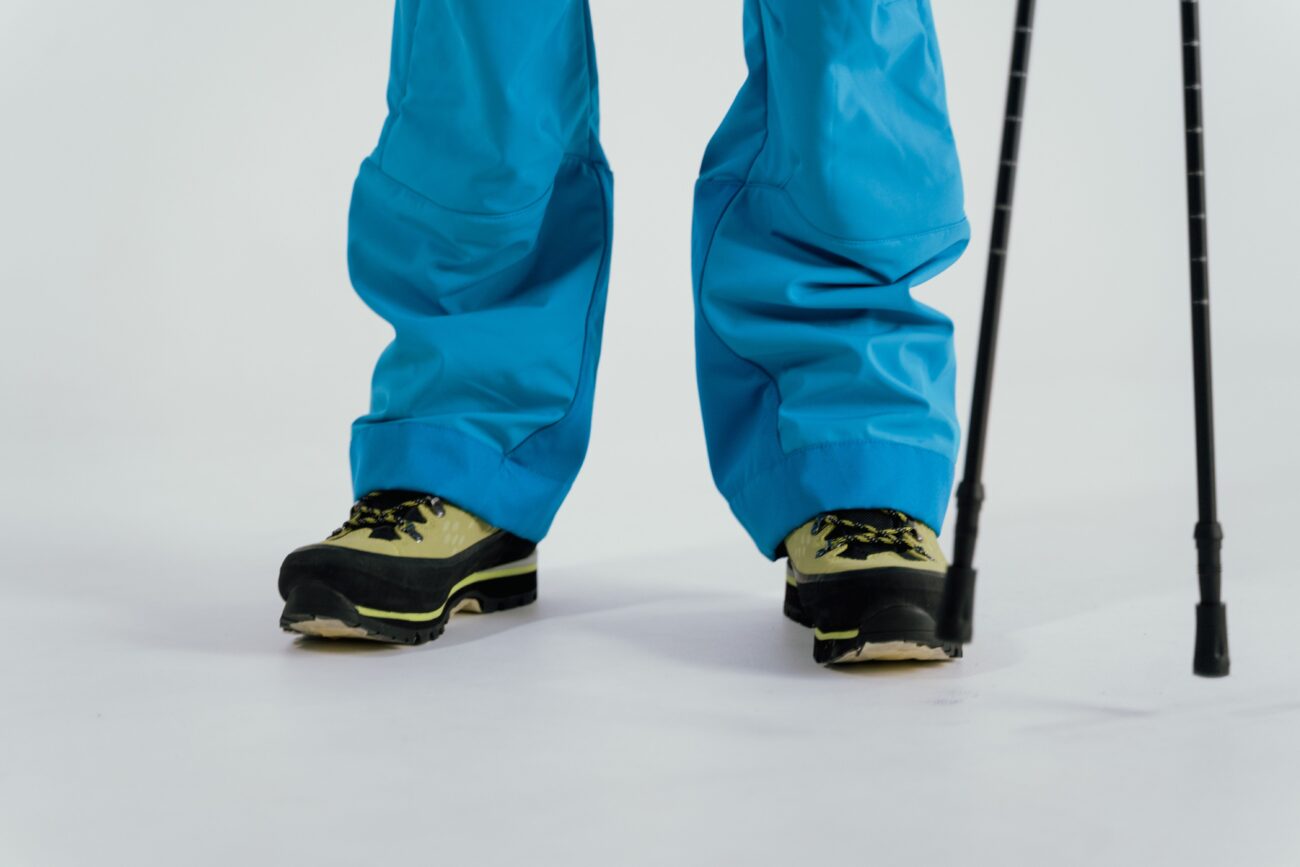
Gaiters are one of the most polarizing pieces of hiking gear out there. Some ultralight hikers swear they never leave home without a low pair strapped to their trail runners. Others see them as a solution in search of a problem, dead weight added to a kit they have spent months trimming down. The honest answer is that both camps are right, depending on the trail, the season, and the shoes already on your feet.
What Gaiters Actually Do
A gaiter is a simple tube of fabric that wraps around your ankle or lower leg and closes the gap between your shoe and your pant leg or skin. That gap is where most trail debris gets in. Without a gaiter, every loose pebble, pine needle, bit of sand, or clump of snow that lands near your ankle works its way down into your sock over the course of a few miles.
The problems a gaiter actually solves are specific and worth naming:
- Trail debris: small rocks, sand, and twigs getting into low-cut trail runners
- Snow intrusion: powder packing in around the ankle on postholed or off-trail terrain
- Scree and talus: sharp, loose rock working into shoes on exposed alpine sections
- Ticks: a physical barrier on brushy, overgrown trails during tick season
- Water and mud splash: some protection from puddles, wet brush, and shallow stream crossings
Notice what is missing from that list. Gaiters do not keep your feet dry in a downpour, they do not replace waterproof footwear, and they will not save you from a genuinely submerged stream crossing. Understanding exactly which problem you are trying to solve is the first step to deciding whether you need a pair at all.
Low Gaiters for Trail Runners vs. Traditional High Gaiters
Most of the debate on ultralight forums comes down to a choice between two very different products that happen to share a name.
Low, ankle-height gaiters
These are thin, low-profile cuffs that sit just above the shoe, usually attached with a hook under the laces and a strip of hook-and-loop fastener around the back of the heel. Dirty Girl Gaiters are the best-known example in the thru-hiking community, and similar low gaiters are built into or sold alongside shoes from Altra and several other trail running brands. They weigh next to nothing, usually well under 2 ounces for the pair, and cost in the neighborhood of 20 to 30 dollars.
Low gaiters are built for one job: keeping grit, sand, and small debris out of low-cut trail runners on dry to moderately wet trail. They do nothing against deep snow or serious cold, and they will not stop water from a real crossing, but for their actual job they are remarkably effective for almost no weight penalty.
Traditional high gaiters
High gaiters extend from the top of the boot to somewhere between the calf and the knee, with a more rigid construction, a heavier-duty front closure, and often a built-in strap that runs under the boot sole. Outdoor Research’s Crocodile line and similar mid and expedition-height gaiters from brands like Kahtoola fall into this category. They are built from tougher, often waterproof-breathable fabric, typically run 60 to 90 dollars, and weigh several times what a low gaiter weighs, often 6 to 10 ounces for the pair.
These exist for a genuinely different purpose: keeping snow out of boots on winter and shoulder-season trips, protecting pants from crampon points, and surviving abrasion on scree and talus that would shred a thin low gaiter in a single descent.
When a Gaiter Is Unnecessary Weight
If most of your hiking is on maintained trail in dry to moderate conditions, a gaiter is very often dead weight. Well-built trail runners with a reasonably snug ankle fit, worn with a mid-height merino sock, already keep out the majority of debris on groomed trail. Adding even a 2-ounce low gaiter to that system is solving a problem that barely exists for you.
The same logic applies at the other end of the spectrum. A full winter mountaineering gaiter on a three-season trip with no snow and no scree is just extra fabric sitting unused in your pack, and extra heat trapped around your ankle on a warm afternoon. Base weight discipline means asking what specific failure a piece of gear prevents, not packing it because it showed up on someone else’s gear list.
When Gaiters Solve a Real Problem
There are specific, recurring situations where the math flips and a gaiter earns its spot in the pack:
- Shoulder-season snow: even a few inches of wet or powdery snow will find its way into any low-cut shoe within the first mile without a gaiter
- Scree fields and talus descents: anyone who has dumped a boot full of sharp gravel on a steep descent knows how much time and discomfort a gaiter saves
- Tick-heavy brush: in overgrown trail corridors during peak tick season, gaiters add a physical layer that treated clothing alone does not provide
- Desert sand: fine sand behaves almost like powder snow, working into shoes constantly on loose, sandy trail
In each of these cases the alternative to wearing a gaiter is not a lighter kit, it is stopping every twenty minutes to empty your shoes, which costs far more time and energy than carrying a couple of ounces of fabric.
How to Choose the Right Gaiter
Once you have identified a real problem, matching the gaiter to it is straightforward:
- Fabric: a thin, breathable stretch fabric is fine for dry debris and sand; look for a tougher, more abrasion-resistant weave if you expect scree or brush
- Closure: a simple hook-and-loop strip works for low gaiters on dry trail; snow and winter use calls for a front zipper or lace-up closure that will not clog with ice
- Under-boot strap: essential for high gaiters in snow, where suction and postholing will pull a strapless gaiter straight up and off
- Fit at the top: the top of the gaiter should sit snugly against your pant leg or bare skin, since any gap defeats the entire purpose
If you are torn between a low and a high gaiter for a trip that crosses both dry trail and a few patches of lingering snow, a low gaiter is usually the better ultralight compromise. It handles the dry-trail debris that makes up most of your mileage, and a few inches of snow crossing is rarely enough to justify the extra ounces of a full winter gaiter.
Frequently Asked Questions
Do I need gaiters for day hikes?
Rarely. Day hikes on maintained trail in good weather almost never justify the extra weight and cost. The exception is a day hike that crosses scree, sand, or lingering snow, where the same logic as a backpacking trip applies.
Can gaiters replace waterproof shoes?
No. Gaiters keep debris and loose snow out from the top of the shoe. They do nothing to stop water from soaking through a non-waterproof upper or sole in a genuine downpour or deep crossing. For sustained wet conditions, see our guide on waterproof socks, neoprene, and trail runners for how those systems actually compare.
Are gaiters worth it for thru-hikers?
Most long-distance hikers carry a lightweight low gaiter for exactly the reasons above, dry trail debris and sand, and swap to nothing or add a thin shell for short snow sections rather than carrying a heavy winter gaiter for the entire trail.
Do gaiters help with tick prevention?
Yes, to a meaningful degree. A snug gaiter closes the gap at the ankle where ticks most often climb onto skin from brush, and pairs well with permethrin-treated clothing for added protection on overgrown trail.
Final Thoughts
Gaiters are a textbook example of why ultralight packing is about matching gear to the actual problem in front of you rather than following a fixed list. A couple of ounces of low gaiter can save real frustration on sandy or debris-heavy trail, while a heavier winter gaiter earns its weight only when snow or scree are actually part of the trip. Worth checking your conditions honestly before you decide either way, the same discipline that matters for keeping water and gear from freezing on winter trips, as covered in our guide to keeping water, filters, and batteries from freezing, or for choosing the right shoe system in the first place, covered in our ultralight hiking footwear guide.
If you are trying to figure out whether a piece of gear like this is actually earning its place in your pack, that is exactly the kind of question FeatherPack is built to answer. Photograph one piece of gear at a time and the app logs its weight into your gear library, so you can see at a glance whether that gaiter, or anything else sitting in your pack, is worth its ounces for the trip you have planned.
Have you been burned by skipping gaiters on a trip where you needed them, or carried a pair you never once used? Share your experience in the comments, it helps other hikers calibrate their own gear decisions.
