
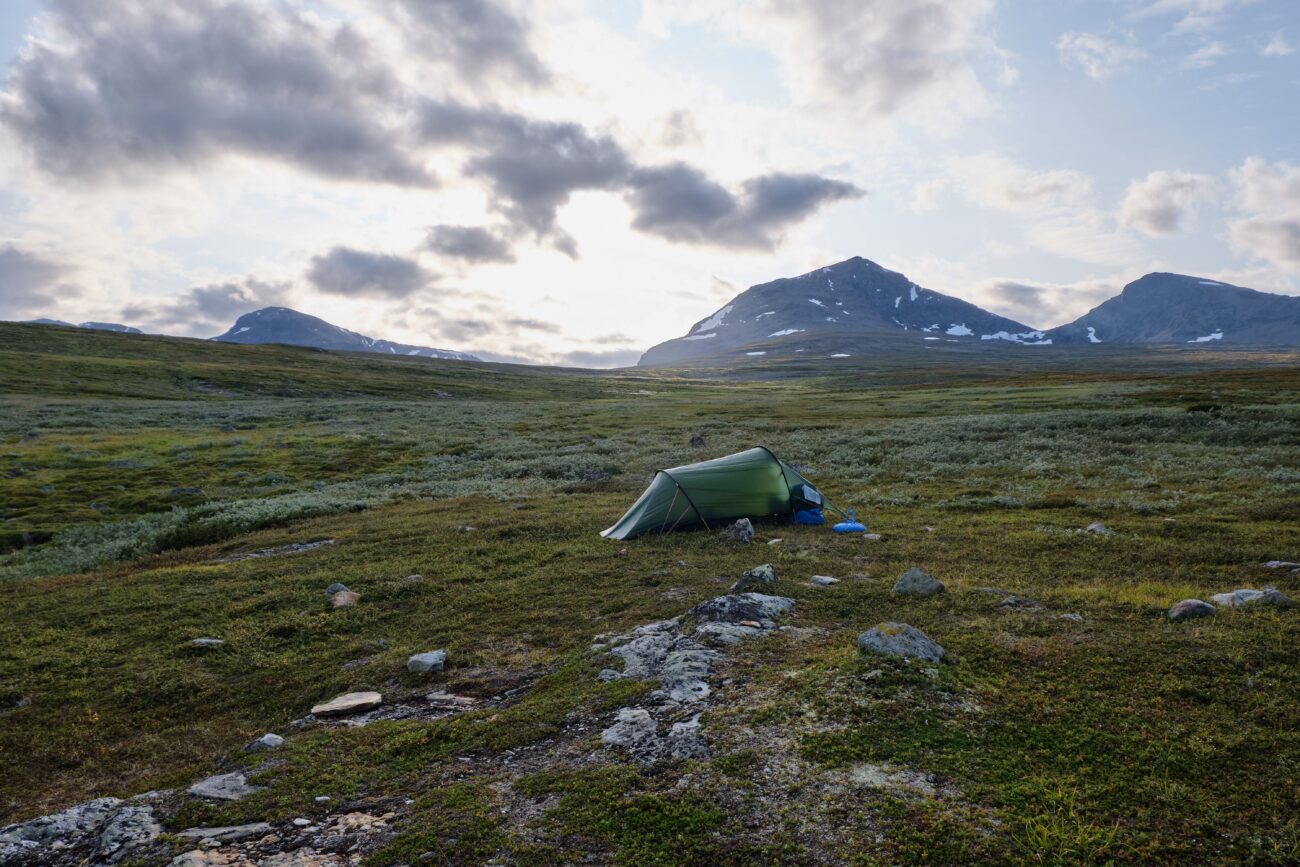
A four-figure Dyneema shelter gets most of the attention in ultralight backpacking forums, but plenty of experienced hikers still pitch tents that cost less than a pair of trail runners. The budget end of the ultralight tent market has quietly gotten very good over the last few seasons. Smarter geometry, better silpoly and silnylon fabrics, and trekking-pole designs now make it possible to land well under 2 pounds without going anywhere near Dyneema Composite Fabric pricing. Below are seven tents that prove a sub-$300 budget and a sub-2-pound trail weight aren’t mutually exclusive, along with an honest look at what you’re trading away to get there.

What “Under $300” Actually Buys You in 2026
Almost every tent in this price bracket shares a few traits. First, they’re trekking-pole supported rather than freestanding, which saves the weight and cost of dedicated tent poles but asks a little more of your pitching skills. Second, most use silicone-coated polyester (silpoly) or silicone-coated nylon (silnylon) instead of Dyneema Composite Fabric. Both are far cheaper per square meter than DCF, but they behave differently in the field: silnylon stretches and sags when it gets wet, while silpoly holds its tension much better and has become the more common choice on newer designs. Third, you’ll see a mix of single-wall and double-wall construction. Single-wall tents shave ounces and cost by using one layer of fabric for both weather protection and structure, while double-wall designs add a separate mesh inner tent that manages condensation better on humid nights, at the cost of a few extra ounces and dollars.
None of this makes budget tents a compromise so much as a different set of trade-offs than a premium Dyneema shelter. If you want the deeper case for and against paying up for DCF, the Dyneema Dilemma breakdown covers that decision in detail.
The 7 Best Ultralight Tents Under $300
These picks span solo trekking-pole shelters, two-door designs, and one semi-freestanding option, all currently priced under $300 in the US.
- Six Moon Designs Lunar Solo, $260, 26 oz (740 g). A single-wall, one-pole hexagon-floor shelter with a large side vestibule. One of the lightest tents at this price and a long-running favorite for solo thru-hikers.
- Durston X-Mid 1, $269, 25.7 oz (729 g) for the tent alone. A double-wall, two-pole design with an offset geometry that adds noticeably more livable space and two doors and vestibules for the weight. Currently one of the best value-per-ounce shelters on the market.
- Tarptent ProTrek, $249, 23.5 oz (667 g). A single-wall trekking-pole tent with dual front and side entry, a compact footprint, and enough width for wider sleeping pads.
- 3F UL Gear Lanshan Pro 1, $200, 24.2 oz (686 g). A single-wall shelter with a fully integrated bathtub floor and a roll-back vestibule. One of the lightest and cheapest options here, imported from China with the longer shipping times that implies.
- Six Moon Designs Skyscape Trekker, $275, 28 oz (790 g). A hybrid single/double-wall design using two trekking poles, with two full doors and vestibules and roughly 80 percent of the fly separated from the sleeper by no-see-um mesh for better airflow.
- Tarptent Rainbow, $269, 36.6 oz (1035 g), poles included. The semi-freestanding option on this list, with a fully integrated fly and floor and two full-size vestibules. Heavier, but easier to pitch on platforms or rocky sites where stakes are tricky.
- 3F UL Gear Lanshan 2, $190, 43 oz (1219 g). A double-wall, two-person trekking-pole tent with a separate mesh inner and dual doors. The best pick here if you’re splitting shelter weight with a partner.
Notice that the Durston X-Mid 1 shows up as genuinely competitive on both price and weight against single-wall designs, which is a big part of why Durston Gear has climbed so fast in popularity among budget-conscious ultralight hikers over the past year.
What You Give Up Compared to Dyneema Tents
The honest trade-offs, in order of how much they actually matter on trail:
- Weight: budget silpoly and silnylon tents typically run 6 to 12 ounces heavier than an equivalent Dyneema shelter. That’s a real difference on a thru-hike, but a rounding error on a weekend trip.
- Long-term durability: DCF doesn’t absorb water and resists UV degradation better over years of use, while polyester and nylon fabrics slowly lose strength with sun exposure. A budget tent used hard for multiple long trails may need replacing sooner.
- Wet-weather sag: silnylon in particular stretches when saturated, meaning you’ll be out retightening guylines mid-storm in a way you generally won’t with DCF or silpoly.
- Packed volume: Dyneema packs down smaller for the same square footage, which matters more for frameless packs with limited volume than for framed packs with room to spare.
What you get in return is a tent that costs a third to a fifth of a comparable Dyneema shelter, which for most people who backpack a handful of trips a year is a much better use of gear budget. For a full accounting of the cost-per-year math, the Dyneema fabric guide walks through the price-per-square-meter numbers directly.
How to Choose the Right Budget Tent for Your Trip
Single-wall or double-wall
Single-wall tents are lighter and cheaper but trap more condensation on humid or cold nights, since there’s no mesh gap between you and the moisture-collecting fly. Double-wall designs like the X-Mid or Lanshan 2 handle three-season condensation noticeably better and are worth the small weight penalty if you camp near water or in humid climates.
Trekking pole or freestanding
Every tent on this list except the Rainbow relies on trekking poles instead of dedicated tent poles. That’s how they hit these weights and prices, but it also means a slightly steeper learning curve for a clean pitch, especially in wind. If you’re new to trekking-pole shelters, practice the pitch in your yard before your first trip, and pair it with a look at the tarp pitching guide for guyline and stake technique that transfers directly.
Solo or two-person
If you’re hiking with a partner, splitting a two-person tent like the Lanshan 2 almost always beats carrying two solo shelters. If you’re usually solo but occasionally hike with someone else, a roomier one-person tent like the X-Mid 1 can often squeeze in a second person for a night in a pinch, which the shelter comparison guide covers in more depth if you’re still deciding between a tent, tarp, or bivy altogether.
Frequently Asked Questions
Are budget ultralight tents durable enough for a thru-hike?
Yes, with realistic expectations. Silpoly and silnylon tents regularly complete full thru-hikes of the Appalachian Trail or Pacific Crest Trail. They just won’t last as many multi-thousand-mile hikes over their lifetime as a well-cared-for Dyneema tent will, and they need more attention to seam sealing and UV exposure along the way.
What’s the real difference between silnylon and silpoly?
Both are silicone-coated fabrics, but nylon absorbs a small amount of water and stretches as it does, which is why silnylon tents sag in heavy rain and need retensioning. Polyester absorbs almost no water and holds its shape much better when wet, which is why most newer budget tent designs have shifted to silpoly.
Can I pitch a trekking-pole tent without trekking poles?
Most trekking-pole tent makers sell separate carbon poles cut to the correct length for hikers who don’t use poles for walking, usually adding $20 to $40 to the total cost. It’s a worthwhile add if you don’t already hike with poles, since improvising with sticks rarely gives a taut, weatherproof pitch.
Is a semi-freestanding or freestanding tent worth the extra weight?
Only if you regularly camp on surfaces where staking is difficult, like tent platforms, slickrock, or gravel bars. For dirt and forest floor camping, a well-staked trekking-pole tent pitches just as securely for less weight and money.
Whichever shelter you land on, the bigger win is knowing exactly how it fits into your total base weight before you buy it. That’s the part most gear reviews skip, and it’s exactly what I built FeatherPack to fix: photograph a tent once and the app logs its weight straight into your gear closet, so you can see the real effect on your base weight before you swap anything else out. Drop a comment below with which of these seven you’re considering, or what you’re currently pitching under $300.
