
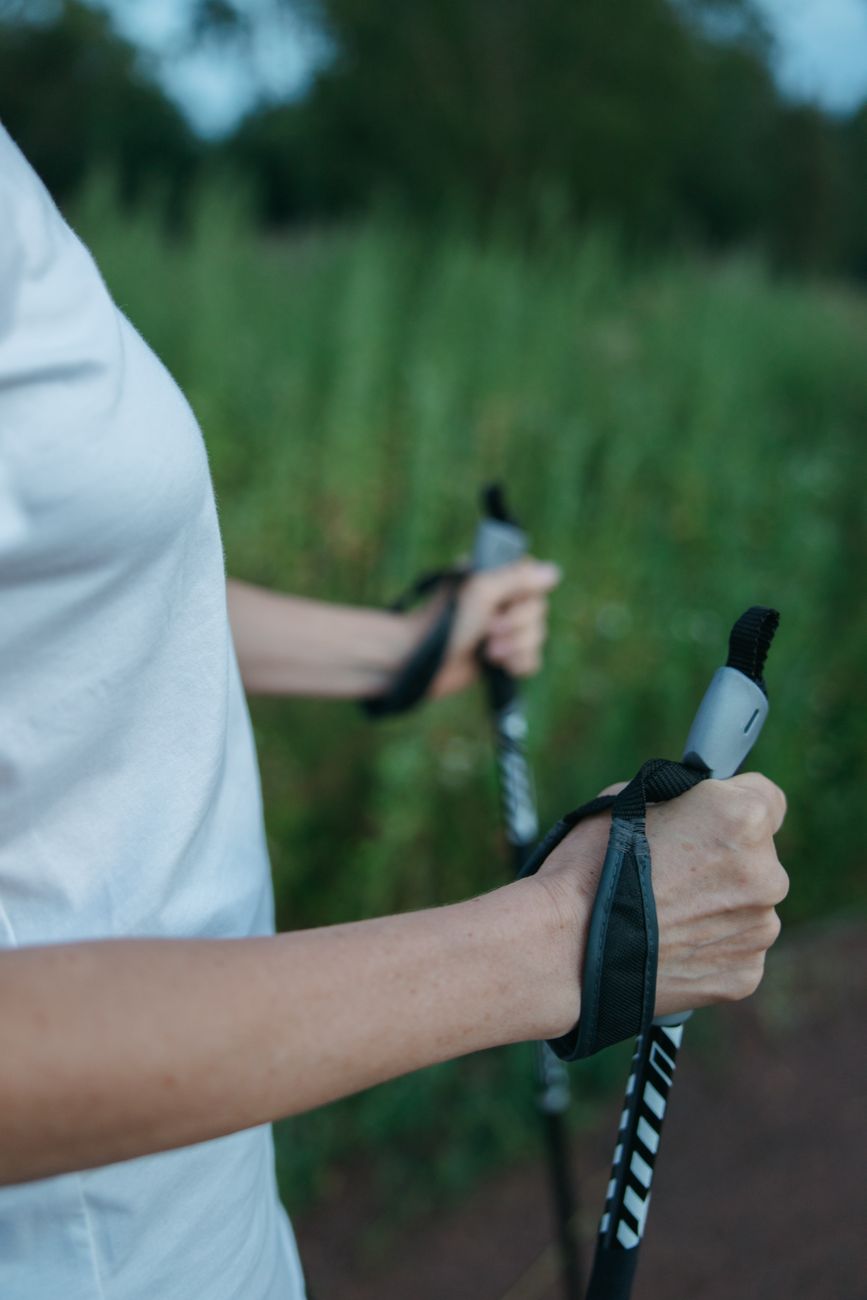
If you’re staring at a spec sheet trying to decide between carbon and aluminum, the short answer is this: ultralight trekking poles in carbon fiber save 40-70g per pole over aluminum, but aluminum bends before it snaps, while carbon can shatter without warning on a bad rock strike. For most 3-season backpackers chasing a sub-5kg base weight, that trade-off is worth understanding before you buy, especially if your poles are also going to pitch your shelter.

Why Ultralight Trekking Poles Matter Beyond Just Balance
Trekking poles do three jobs on an ultralight kit list: they reduce knee strain on descents, they speed up stream crossings and scree fields, and increasingly, they replace tent poles entirely. A single-wall Dyneema or silnylon shelter built around trekking-pole geometry can save 300-450g compared to a freestanding tent with dedicated poles. That dual-use case is the real reason ultralight hikers obsess over pole weight – you’re not just carrying a hiking aid, you’re carrying part of your shelter’s structure.
Carbon vs Aluminum: The Real Numbers
Weight numbers get thrown around loosely in gear marketing, so here’s what actually shows up on a kitchen scale for popular 3-section folding poles, per pair:
| Model | Material | Weight (pair) | Packed Length | Street Price (approx.) |
|---|---|---|---|---|
| Gossamer Gear LT5 | Carbon | ~260g | 33 cm | $175 |
| Black Diamond Distance Carbon FLZ | Carbon | ~290g | 36 cm | $190 |
| Fizan Compact | Aluminum | ~360g | 38 cm | $90 |
| Cascade Mountain Tech Carbon | Carbon | ~310g | 60 cm (2-section) | $70 |
That’s roughly 60-100g saved per pair by going carbon over a budget aluminum pole – not nothing, but not the biggest lever on your base weight either. Where carbon actually earns its price premium is swing weight: less mass at the far end of your arm reduces fatigue over a 25km day far more than the raw gram count suggests.
Fixed-Length vs Adjustable: The Weight Trade-off
Fixed-length carbon poles (no adjustment mechanism) shave another 20-30g per pole over their adjustable equivalents, because you’re removing the flip-lock or twist-lock hardware entirely. The catch: you need to know your correct pole length before you buy, and you lose the ability to shorten poles for steep climbs or lengthen them for descents. I run fixed-length 130cm poles for solo summer trips where I know the terrain, and adjustable carbon poles for anything with mixed elevation profiles or shared shelter setups where pitch height varies.
Tip and Basket Systems That Actually Affect Weight and Grip
Carbide tips are standard on nearly every ultralight pole now and add negligible weight, but basket size matters more than most buyers realize. Small “trekking” baskets (around 4cm) shave a few grams over snow baskets but will punch straight through soft mud or moss, which matters if you’re hiking boggy terrain in Scandinavia or the Pacific Northwest. Foam grips beat cork for wet-weather ultralight use since foam sheds water and dries faster, at a weight cost of only a few grams per pole.
Building Your Shelter Around Your Poles
If you’re already committed to a trekking-pole shelter, buy your poles first and your shelter second – most Dyneema and silnylon mid-style shelters are designed around a specific pole height range, usually 120-140cm. Our step-by-step guide to sewing your own ultralight tarp covers exactly how pole height determines your ridge line geometry, and it’s much easier to design a shelter around poles you already own than to hunt for poles that match a shelter afterward.
Where Poles Fit Into a Sub-5kg Base Weight
On a full gear shakedown, poles rarely make the top-five weight cuts – your pack, shelter, and sleep system dominate that conversation, which we break down in detail in our guide to pushing past a ten-pound base weight. But poles are one of the few items where the “buy once” logic genuinely pays off: a 260g carbon pair bought today will outlast three cheaper aluminum pairs, and if you’re also shopping for a new pack, our ultralight backpack buyer’s guide is worth reading alongside this one since pack volume and pole length both depend on your torso and load style.
Common Mistakes Hikers Make With Ultralight Poles
The most common mistake is buying the lightest carbon pole available without checking the weight rating for shelter use – some ultra-thin carbon poles aren’t rated to take the tension of a taut-pitched tarp in wind and will bow or crack at the joint. The second is skipping wrist straps to save a few grams; on scree or wet rock, a dropped pole down a slope costs you far more time and risk than the 15g the strap weighs. Check our ultralight backpacking cheat sheet for more small decisions like this that add up over a trip.
The Bottom Line
For most 3-season ultralight backpackers, a fixed-length or adjustable carbon pole in the 250-300g-per-pair range is the sweet spot: light enough to matter, strong enough to trust as shelter support, and durable enough to last multiple seasons. If your budget is tight, an aluminum pole like the Fizan Compact is a completely reasonable choice and won’t meaningfully hold back a sub-5kg kit – just budget the extra 100g elsewhere.
If you’re rebuilding your pole and shelter setup at the same time, it’s worth tracking the actual weight of what you own rather than trusting manufacturer specs alone – packaging and trail wear both add grams. I’ve started photographing each piece of gear into FeatherPack as I buy it, which keeps a running, weighed inventory so I can put together trip-specific pack lists without digging through gear bins to re-weigh everything before every trip.
