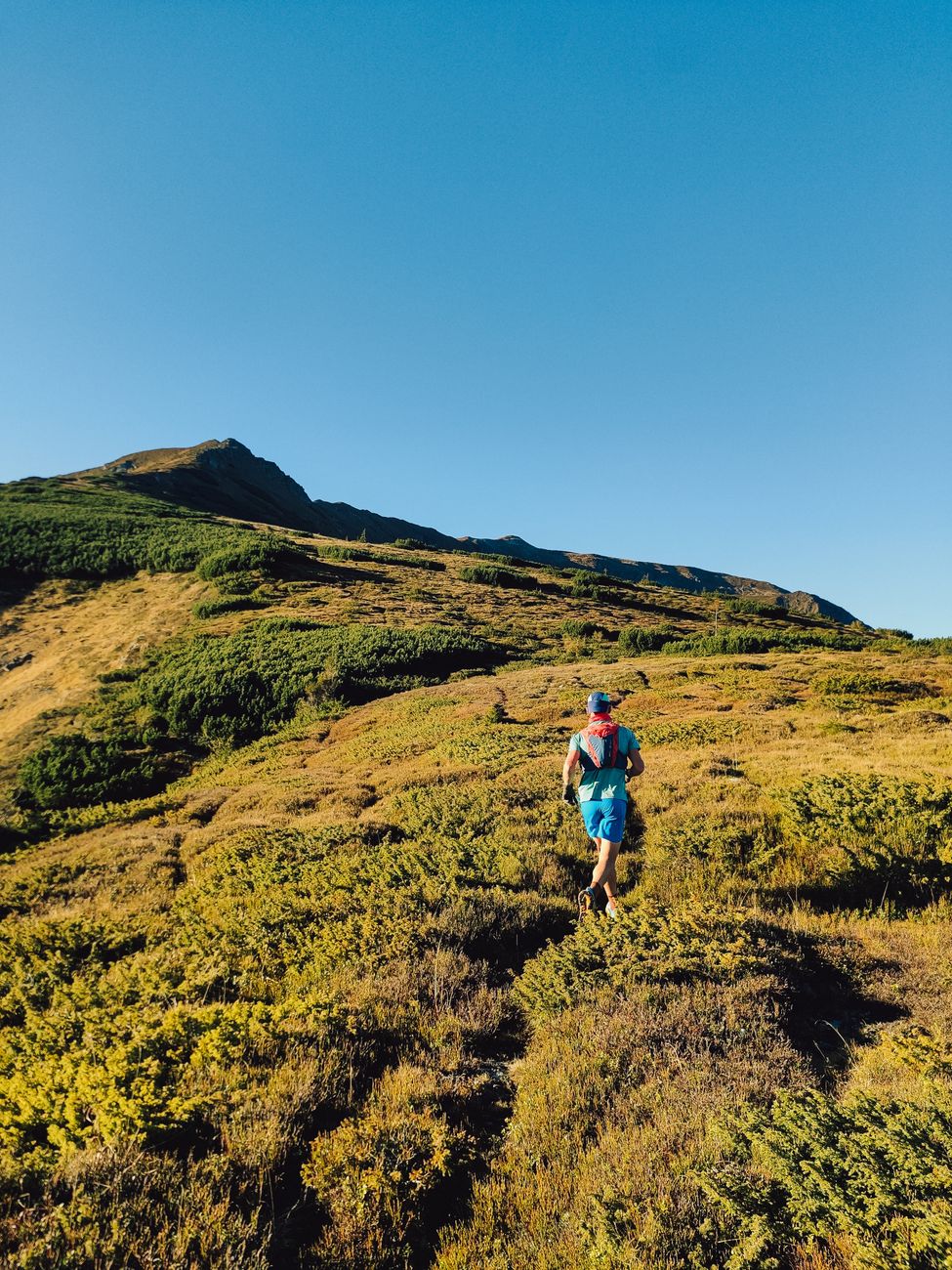
I used to assume that any tent labeled “ultralight” would work fine strapped to a running vest for an overnight ridge run. Then I actually tried it in the Jotunheimen and realized most “best ultralight tent” roundups are written for hikers carrying a 50-liter pack, not runners carrying 2 liters of water and a bivy. If you’ve searched for a tent for runners and come away with nothing but generic backpacking lists, you’re not alone.

What Actually Makes a Tent “Runner-Ready”
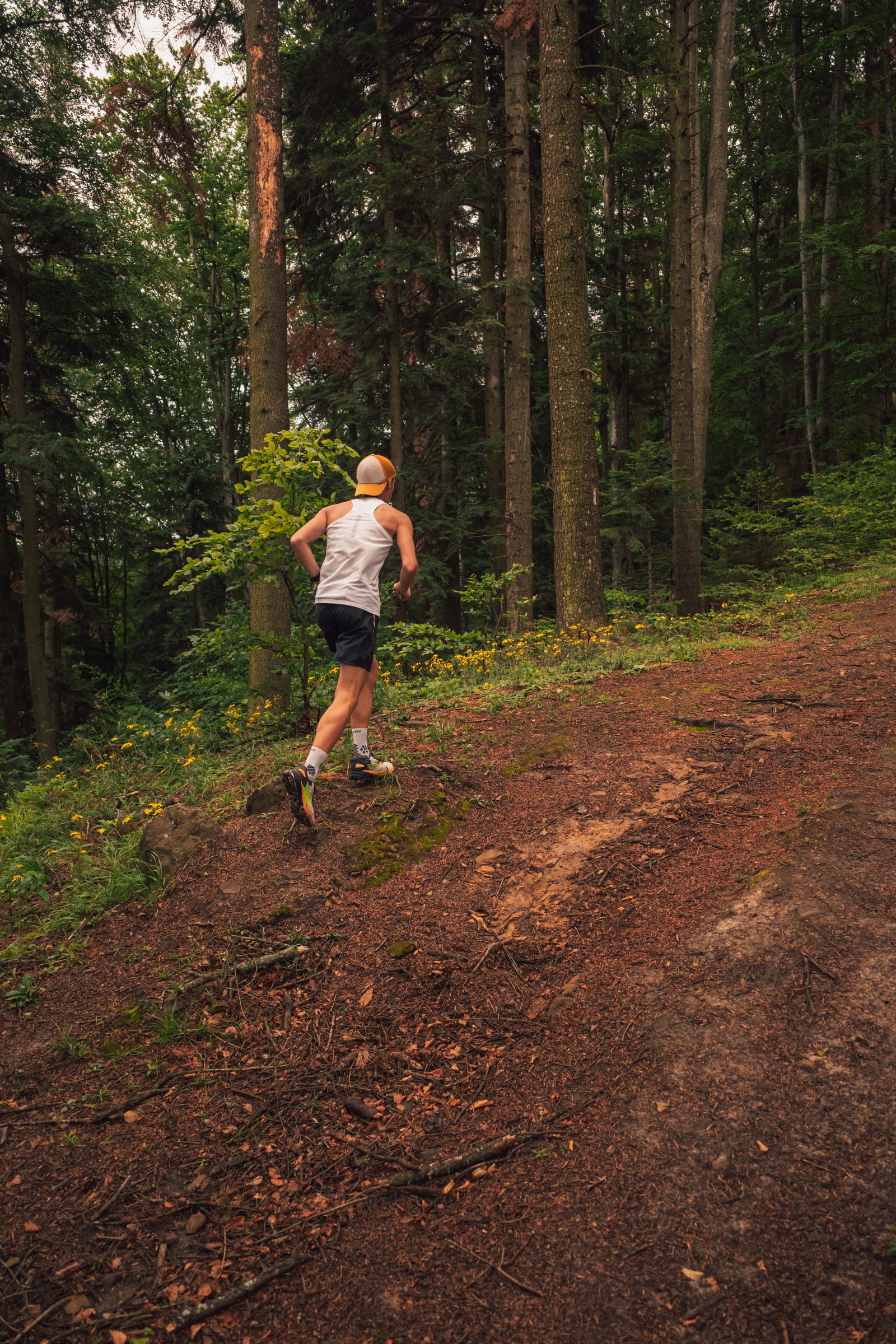
A tent built for hikers and a tent that works for trail running are not the same product wearing different marketing. Runners have different constraints, and most gear guides never mention them.
- Weight ceiling: Hikers tolerate 1-1.5 kg tents. Fastpackers and runners are usually hunting for something under 500-900 grams, because every extra kilogram is carried under running-specific joint load, not walking load.
- Packed size: It has to compress small enough to fit in or strap to a running vest, not just a 50-60L backpack.
- Pole-free options matter: Many trail runners don’t carry trekking poles, so a shelter that depends on two full-length poles is a dealbreaker unless you’re already using poles for the run itself.
- Setup speed: You’re pitching this exhausted, often in the dark, sometimes in wind. A tarp that takes 15 minutes to guy out properly is a real cost after 40 km.
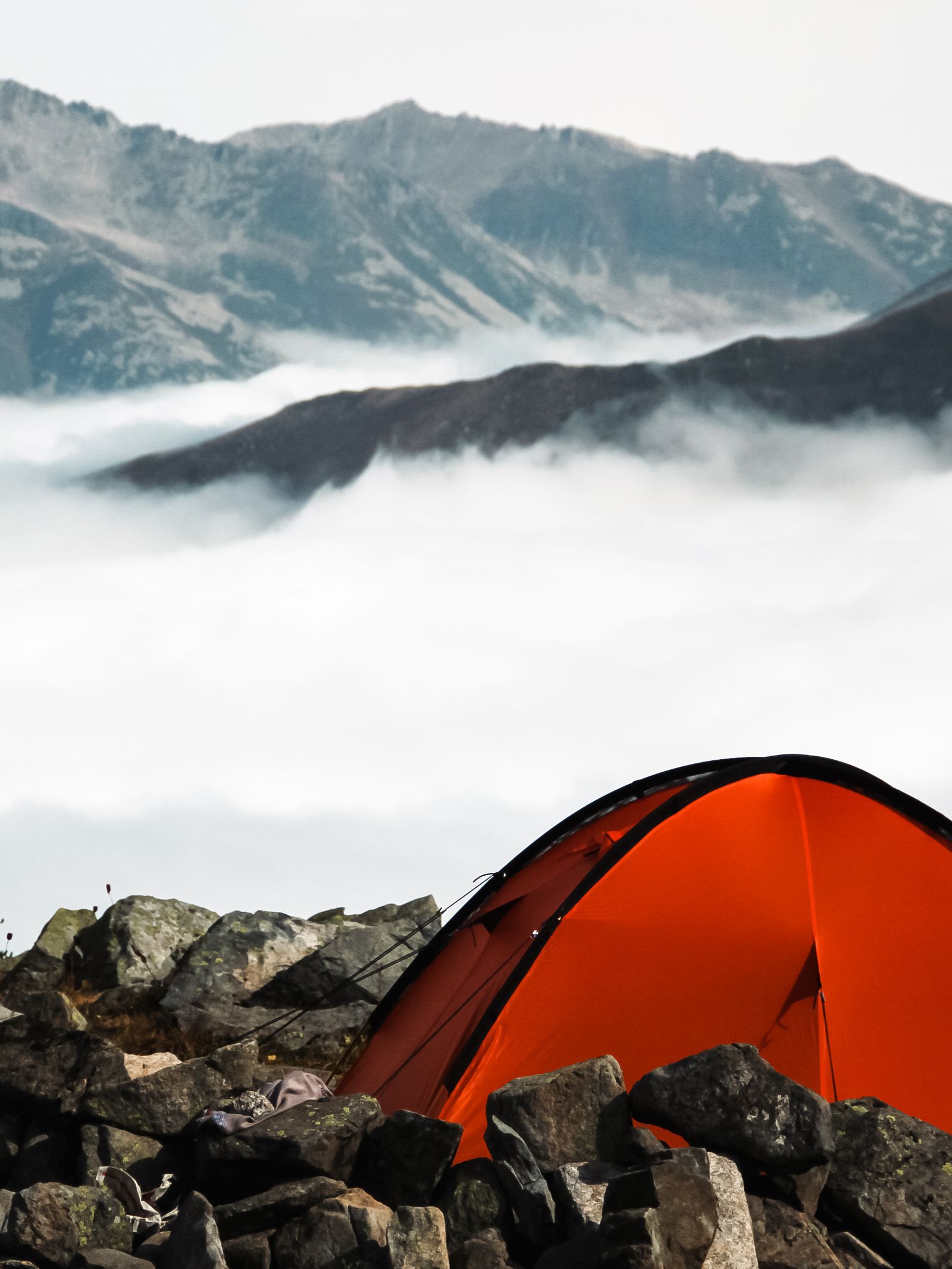
The Three Weight Tiers (and Which One You Actually Need)
Running applies four to seven times your body weight in force through your joints with every stride, which is exactly why shaving grams off overnight gear matters more for runners than for hikers. Here’s how I’d split the market into three real tiers.
Tier 1: Ultra-Minimal (For Supported Races and FKT Pushes)
These aren’t tents in the traditional sense, and that’s the point. You use these when you have a drop bag, a crew, or you’re only stopping for a few hours before moving again.
- SOL Escape Bivvy with Hood – 244 g, ~$87. A reflective survival bivy, not a shelter for comfort. Fine for a few hours of forced rest; condensation builds up fast.
- Zpacks Hexamid Pocket Tarp – 150 g, ~$400. The lightest real tarp on the market. Pair it with a bivy for bug protection, because on its own it’s just a rain roof
Tier 2: Light but Livable (For Solo Overnight Fastpacking)
This is where most trail runners doing a real overnight trip should be looking. You get an actual sleeping enclosure without paying the weight penalty of a hiker’s tent.
- Yama Mountain Gear 1P Cirriform Tarp – 371 g, ~$185. A shaped, catenary-cut tarp that pitches faster and holds shape better than a flat tarp in wind.
- SlingFin SplitWing Shelter Bundle – 255-646 g, ~$400. Modular tarp-and-inner-net system, so you can leave the bug net at home on drier trips and add it back for buggy ones.
- Mountain Laurel Designs SoloMid XL – 516-853 g, ~$295-565. Pyramid shelter with real headroom; the DCF version is genuinely four-season capable if you push into shoulder-season fastpacking.
- Zpacks Duplex Lite Tent – 451 g, ~$700. Technically a 2-person, but the extra room is worth carrying solo if you want to actually sit up and organize gear at camp.
Tier 3: Real Tent, Still Light (For When You Want to Actually Sleep Well)
If you’re doing multi-day fastpacking with real camp time, or you’re just not willing to trade away comfort, these give you a proper double-wall or freestanding setup for a modest weight premium over Tier 2.
- Durston X-Mid 2 – 879 g, ~$320. Double-wall pyramid-style tent with genuinely livable interior space for a solo runner who wants to spread out. My pick if you want one tent that also works fine for regular backpacking.
- Big Agnes Fly Creek UL2 – 904 g, ~$450. Semi-freestanding with dedicated poles, which matters if you’re camping on rock, sand, or hard-packed ground where stakes don’t hold.
My Pick (Because Weather Still Beats Grams)
When I’m heading out for an overnight ridge run, weight isn’t my only concern. Wind is the real test of a shelter, not rain alone, and that’s true whether you’re running the Rockies, the Appalachians, or anywhere with exposed ridgelines. My pick is the Durston X-Mid 2 in Dyneema for shoulder-season trips, or the Yama Cirriform tarp for summer when the forecast is settled. If you’re still deciding between fabrics, I’ve written about whether Dyneema is actually worth the price, and how it compares to silnylon in real-world use. For a broader shelter roundup outside the running-specific angle, see our best ultralight tents guide, and if you want to go the DIY route, our tarp-sewing guide walks through building your own from scratch.
Frequently Asked Questions
Do trail runners actually need a dedicated tent?
Not always. For a single supported overnight with a drop bag or crew access, a bivy or tarp is often enough. A dedicated tent starts to matter once you’re doing multi-day fastpacking where you actually need to sleep well to run well the next day.
Is a bivy sack enough for an overnight fastpacking trip?
It can be for a single dry night, but condensation is the real problem, not rain. If you’re using a bivy on more than one night in a row, pair it with a small tarp so you’re not sleeping in a damp bag by night two.
How much should a tent for trail running actually weigh?
As a rough guide: under 500 g for ultra-minimal setups tied to supported races, 500-900 g for most solo overnight fastpacking, and up to about 1.5 kg if you want the comfort of a real double-wall or freestanding tent. Above that, you’re just carrying a hiker’s tent.
Do I need trekking poles to pitch these shelters?
Most of the Tier 1 and Tier 2 options in this guide are trekking-pole shelters, which is exactly why they’re so light. If you don’t already run with poles, the Big Agnes Fly Creek UL2 in Tier 3 is your best freestanding option with dedicated poles instead.
Conclusion
There’s no single “best tent for runners.” There’s a tier that matches what you’re actually doing: a supported push where minutes matter more than comfort, a solo overnight where you need to sleep enough to run the next leg, or a proper multi-day trip where you’d rather carry an extra 200 grams than wake up exhausted. Pick the tier first, then the tent. What are you running, and how many nights are you actually sleeping out? Drop a comment below and I’ll help you land on the right pick.
