

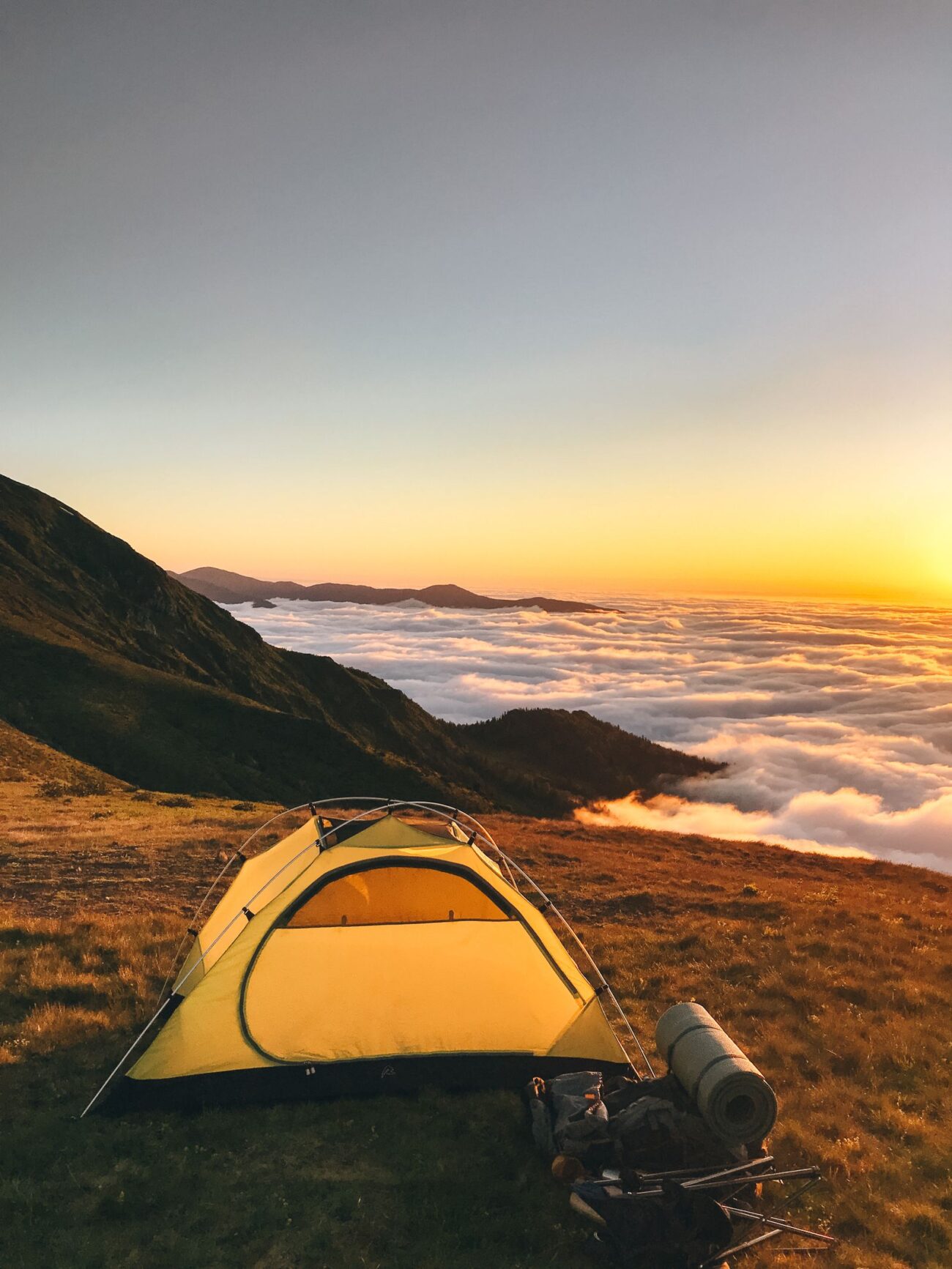
Naturehike vs. Durston is one of the most common questions from hikers shopping for their first lightweight tent, and search interest in both brands has climbed sharply over the past year. They sit at the two ends of the budget segment. Naturehike sells freestanding nylon tents for around the price of a pair of trail runners. Durston sells silpoly trekking pole tents and freestanding domes for two to three times that, direct from its own website. Both get called “budget ultralight,” but they solve different problems.
This comparison puts the most popular models side by side on weight, price, fabric, weather performance, and livability, then gives a simple rule for which brand fits which kind of hiker.
Quick Verdict
- Choose Naturehike if your budget is under about $150, you mostly hike in sheltered terrain in summer, and you want a freestanding tent that pitches without trekking poles.
- Choose Durston if you hike in wind and rain, carry trekking poles anyway, and want a tent that will still be your main shelter in five years.
The Models Compared
Naturehike’s range is huge, so this comparison focuses on the Cloud Up series, which is the model most people are actually cross-shopping against Durston. On the Durston side, we include both the trekking pole X-Mid and the freestanding X-Dome, since the X-Dome is the fairer match for anyone who wants a freestanding tent. Prices and weights are manufacturer figures and change often, so check current listings before buying.
| Tent | Type | Weight | Approx. price | Fabric | Doors |
|---|---|---|---|---|---|
| Naturehike Cloud Up 2 (20D) | Freestanding, aluminum poles | ~1.6 kg trail, ~1.8 kg packed | ~$100-140 | 20D silnylon | 1 |
| Naturehike Cloud Up Pro 2 | Freestanding, upgraded poles | ~1.36 kg | Varies by retailer | 20D nylon | 2 |
| Durston X-Mid 1 | Trekking pole | ~800 g | ~$270 | Silpoly | 2 |
| Durston X-Mid 2 | Trekking pole | 890 g | ~$319 | 15D silpoly | 2 |
| Durston X-Dome 2 | Freestanding, carbon poles | 1,250 g | ~$469 | Polyester | 2 |
The headline number: a two-person X-Mid 2 weighs roughly half as much as a Cloud Up 2 and costs a bit more than twice as much. That trade, about 700 grams for about $180, is the core of this whole comparison.
Design Philosophy: Freestanding Nylon vs. Trekking Pole Polyester
Naturehike builds conventional tents with a lighter spec. The Cloud Up 2 is a semi-freestanding dome with aluminum poles, a tapered floor, and a single front door. Reviewers regularly point out that its shape closely follows the Big Agnes Fly Creek, which is a proven layout but also an old one.
Durston started from the other direction. The X-Mid uses two trekking poles set at opposite corners, with a rectangular fly over a diagonal inner tent. That geometry gives two large vestibules, two doors, and more headroom than most tents of similar weight. The X-Dome takes the same floorplan and puts it under a carbon pole frame for hikers who want a freestanding tent without the trekking pole requirement. If you want the full rundown on the X-Mid itself, our Durston X-Mid review covers pitching and weather performance in detail.
Weight and Packed Size
Durston wins clearly. The X-Mid 2 at 890 g is about 700 g lighter than a Cloud Up 2, and even the freestanding X-Dome 2 comes in several hundred grams under Naturehike’s standard model while offering far more interior space.
Naturehike’s advantage is packed length. The Cloud Up packs to around 40-45 cm, and since the poles are inside the bag, what you see is what you carry. The X-Mid packs small too, but it relies on the trekking poles you already carry, which is exactly why it can be so light. If you don’t hike with poles, you’ll need to buy them or add Durston’s optional pole set, and that closes some of the weight gap.
Space and Livability
This is where the gap is widest, and where the spec table undersells it. The Cloud Up 2 is a tight two-person tent. Several long-term reviews describe it as fine for one person plus gear and cramped for two, mostly because of the tapered foot and single front entry. Getting in means crawling in head first, and the person on the far side has to climb over their partner to get out at night.
Both X-Mid 2 and X-Dome 2 have two doors and two vestibules, and the X-Dome 2 floor is large enough for two wide rectangular pads. For two people sharing a tent over a multi-day trip, that difference matters more than the weight.
Naturehike’s Cloud Up Pro 2 addresses some of this with a more rectangular inner tent, and the Mongar series puts side doors on a larger floor. Both add weight and cost, which moves them closer to Durston’s price territory.
Weather Performance
Rain and Sag
The Cloud Up uses silicone-coated nylon. Nylon absorbs water and stretches when wet, so a taut pitch at dusk can be noticeably slack by morning after a wet night. Durston uses polyester throughout, which absorbs almost no water and holds tension. We cover this difference in more depth in Silpoly vs. Dyneema, but the short version is that silpoly doesn’t sag in rain the way nylon does.
Wind
Wind is the Cloud Up’s clearest weakness. Reviewers consistently advise pitching it with the low foot end into the wind and avoiding exposed ridgelines. Its low, wedge shape handles wind from one direction well and from the side poorly. The X-Mid, by contrast, has a reputation as one of the more storm-worthy tents at its weight, largely thanks to its symmetric shape and tension spread across multiple guy points. For hikers in exposed, windy terrain like Scandinavian fells or high alpine areas, this alone is a reason to spend more.
Condensation
Both brands use double-wall designs, so condensation stays on the fly rather than dripping onto you. The X-Mid’s large vents and high peaks give it an edge in still, humid conditions. The Cloud Up’s single door and lower profile make it more prone to condensation when there’s no breeze.
Durability and Build Quality
Naturehike’s build quality is better than its price suggests. The poles are generally well regarded, and some versions include a footprint in the box. The weak spots reviewers flag are the stakes (thin and easy to bend, worth upgrading) and the lighter 20D fabric, which demands care on rough ground. Watch out for the cheaper 210T polyester variant sold under the same Cloud Up name: it’s heavier and less weather resistant than the 20D nylon version, so check the listing carefully.
Durston tents arrive seam taped with guylines and line locks attached, so they’re ready to pitch out of the box. The brand has a strong reputation for customer service and for revising its designs each season, with 2026 updates to fly zippers and floor fabric on the X-Mid line.
Price and Availability
Naturehike is sold through its own site, Amazon, and a wide network of international retailers, which makes it easy to find and often discounted. Delivery times and prices vary a lot by region, and some orders ship from China rather than a local warehouse, so check the estimated delivery date before you order.
Durston sells direct to consumers only. The company says this keeps prices lower than they would be through retail. The flip side is less chance of a sale price and fewer places to see the tent in person before buying.
If you want more options in the same price range, our guide to the best ultralight tents under $300 compares seven budget tents, including picks from both brands.
Which Should You Buy?
- First tent, summer trips, tight budget: Naturehike Cloud Up 2. It gets you into lightweight backpacking for a fraction of the price, and it’s easy to pitch.
- Solo hiker who uses trekking poles: Durston X-Mid 1. Around 800 g, two doors, and excellent in wind for well under the price of most premium tents.
- Two people sharing a tent: Durston X-Mid 2. The livability gap over the Cloud Up 2 is too big to ignore for multi-day trips.
- Wants freestanding, no trekking poles: Durston X-Dome 2 if the budget allows, Naturehike Cloud Up Pro 2 if it doesn’t.
- Windy, exposed terrain: Durston, regardless of model.
Frequently Asked Questions
Is Naturehike a good brand?
For the price, yes. Naturehike tents are consistently rated as some of the best value in the budget segment. The compromises are space, wind stability, and fabric that stretches when wet, not basic build quality.
Is the Durston X-Mid worth the extra money over a Naturehike?
If you hike in rain and wind, or share the tent with a partner, usually yes. If you camp a few summer nights a year in sheltered spots, the Cloud Up does the job for much less.
Do I need trekking poles for a Durston tent?
For the X-Mid, yes, or Durston’s separate pole set. The X-Dome is fully freestanding and needs no trekking poles.
Which is lighter, Naturehike or Durston?
Durston, by a wide margin in comparable models. The X-Mid 2 weighs 890 g against roughly 1.6 kg for a Cloud Up 2.
Final Thoughts
Naturehike and Durston aren’t really competing for the same buyer. Naturehike lowers the entry price of lightweight backpacking. Durston lowers the price of a tent you won’t feel the need to upgrade from. Figure out which of those you need, and the choice is usually obvious.
Whichever tent you pick, the weight difference only matters in the context of your whole kit. FeatherPack makes that easy to see: photograph one piece of gear at a time, and the app recognizes it and logs its weight in your inventory, so you can build a pack list and see exactly what a 700 gram tent swap does to your base weight. Running a Naturehike or a Durston right now? Tell us in the comments how it has held up.
